

After the small but satisfying victory of installing a functional dog door, the next big step in integrating my dog into the household began. That was my main problem: I needed to teach him a set of reliable, advanced dog training commands to ensure his safety, manners, and ability to be calm in the household and in public because my dog especially has a lot of energy.
I was looking for the most “underrated” techniques, the ones that professional trainers swear by but are often overlooked by new dog owners, to truly change the game for our living situation because I was stressed about walking the dog out
Overwhelmingly, the consensus led to a few new directives that promote self-control, safety, and control. Teaching a rock-solid “place” command (also known as “mat” or “spot”), which tells the dog to stay in a certain location until released, is the most overlooked instruction.
This is invaluable for answering the door or keeping the dog out from underfoot. For safety, the combined use of “drop it” (to release something already in their mouth, potentially life-saving) and “leave it” (to not touch something at all) was emphasized. Finally, teaching “neutrality” or “settling,” the art of doing nothing comfortably, is key for a well-mannered dog in public settings to be safe with your dog when you walk out.
To be successful in dog training commands, you should prioritize teaching neutrality and control so you will start by focusing on a solid “place” command using a mat, training a dog to “settle,” and being comfortable doing nothing in distracting environments.
I will also incorporate the life-saving tandem of “leave it” and “drop it,” maintaining strict consistency in the use of each command to avoid confusion. By teaching these skills, especially those that enable him to stop, stay, and settle under distraction, I will ensure he is a safe, polite, and welcome companion everywhere we go.
15. Come Command
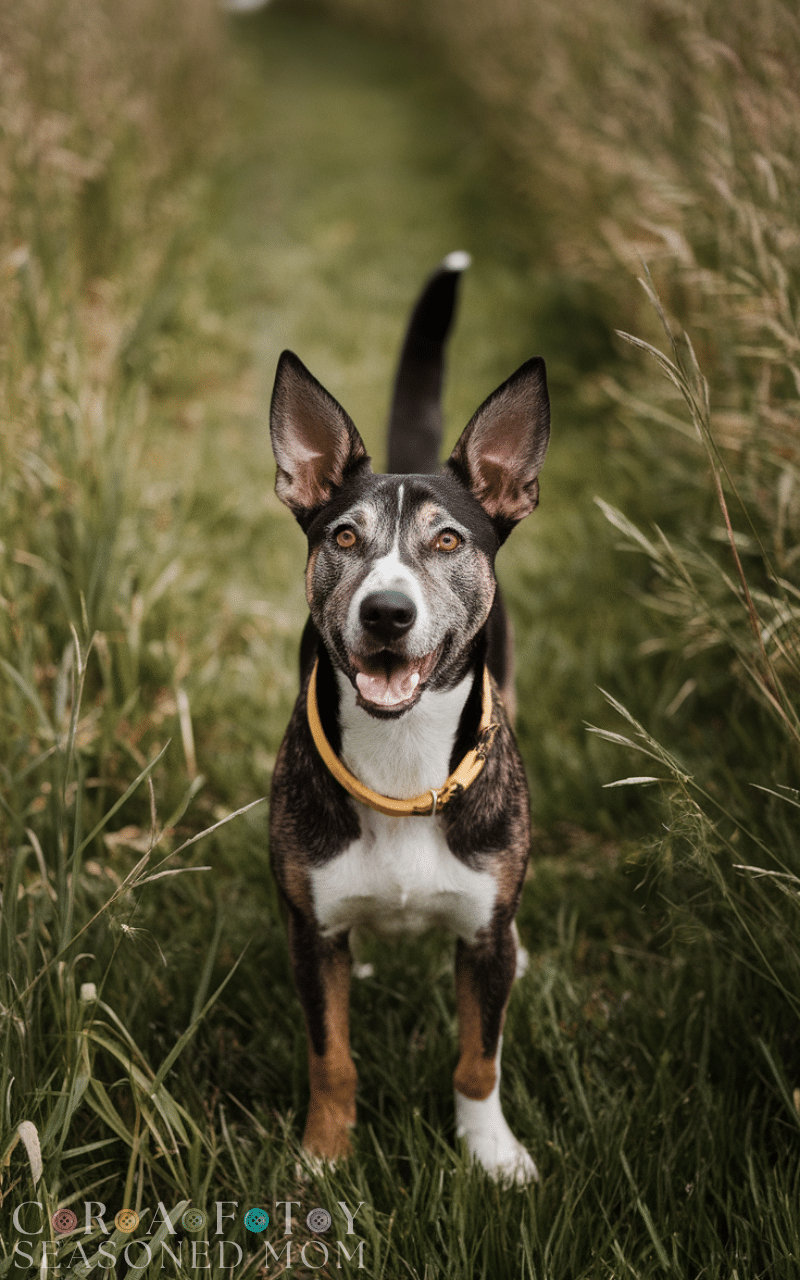
Teaching your dog the “come” command is essential because it helps you keep your dog safe and close to you whenever needed. It builds trust between you and your pet, making outdoor activities much more enjoyable as you gain the confidence to let them explore.
This command also helps prevent accidents and makes training other skills much easier. Using treats and enthusiastic praise while practicing will make your dog respond faster. It is important to practice in different environments to strengthen your bond and ensure they listen even when distracted.
14. Sit Command
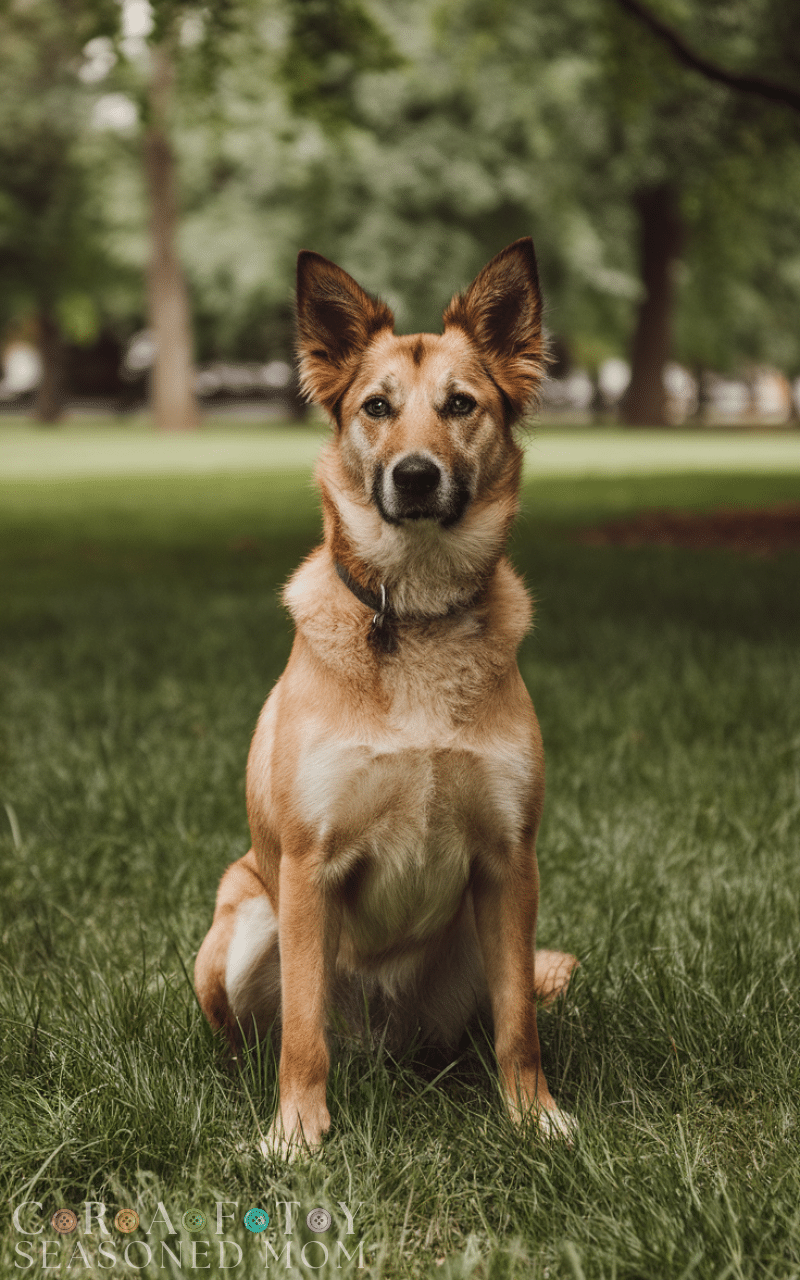
The “sit” command is one of the easiest dog training commands to teach, providing your dog with immediate structure and a way to stay calm. It makes greeting guests much safer and allows for better control during daily walks.
This command is a helpful “reset” button when preparing your dog for more complex tasks. Using treats and positive reinforcement will make the learning process fun and engaging. Practicing daily will help your dog remember the cue effectively, forming the foundation for all advanced training.
13. Stay Command
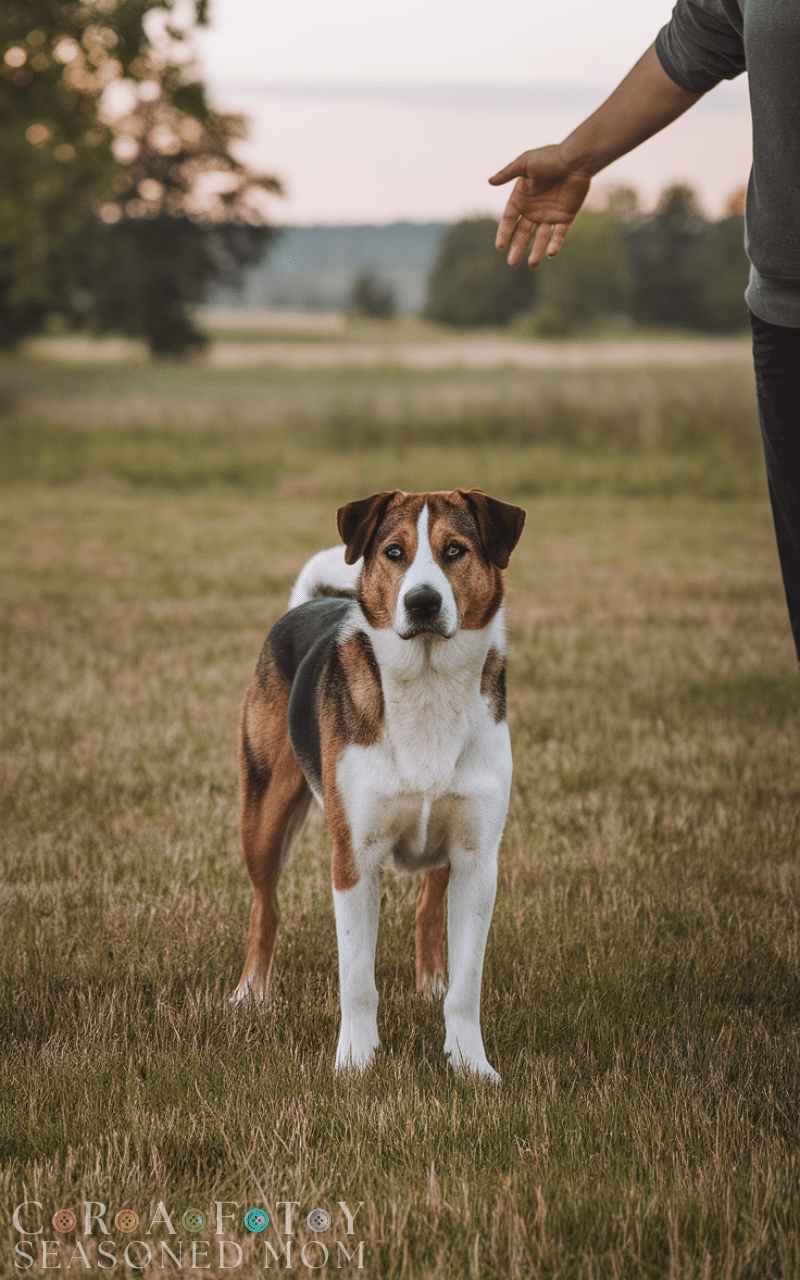
The “stay” command teaches your dog patience and self-control, which are vital for preventing them from running into dangerous situations. It makes visits to the vet much smoother and ensures safety both at home and in busy public spaces.
Mastering this allows you to step away without worrying about your dog following you into a hazard. Using hand signals while practicing will reinforce the verbal cue. Short, successful practice sessions will help your dog gradually improve their duration, making them more obedient and confident.
12. Down Command
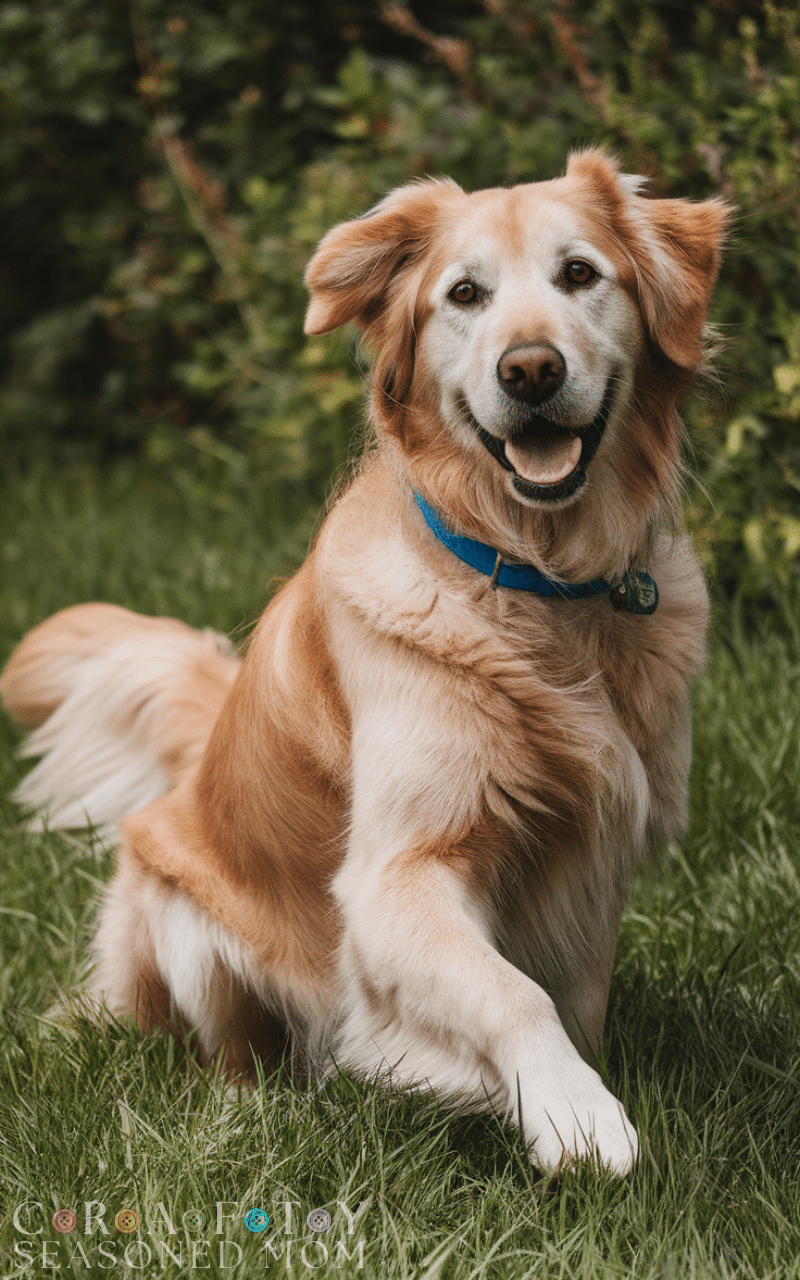
The “down” command encourages calm behavior and is particularly helpful for settling an excited or anxious dog. It is a highly effective way to prevent jumping on people and provides a clear physical structure for the dog to relax.
Rewarding your dog with high-value treats when they drop to the floor encourages them to obey quickly. Repeating this in short sessions improves their understanding and significantly reduces stress for the animal. It also serves to strengthen the communication and bond you share with your pet.
11. Leave It Command
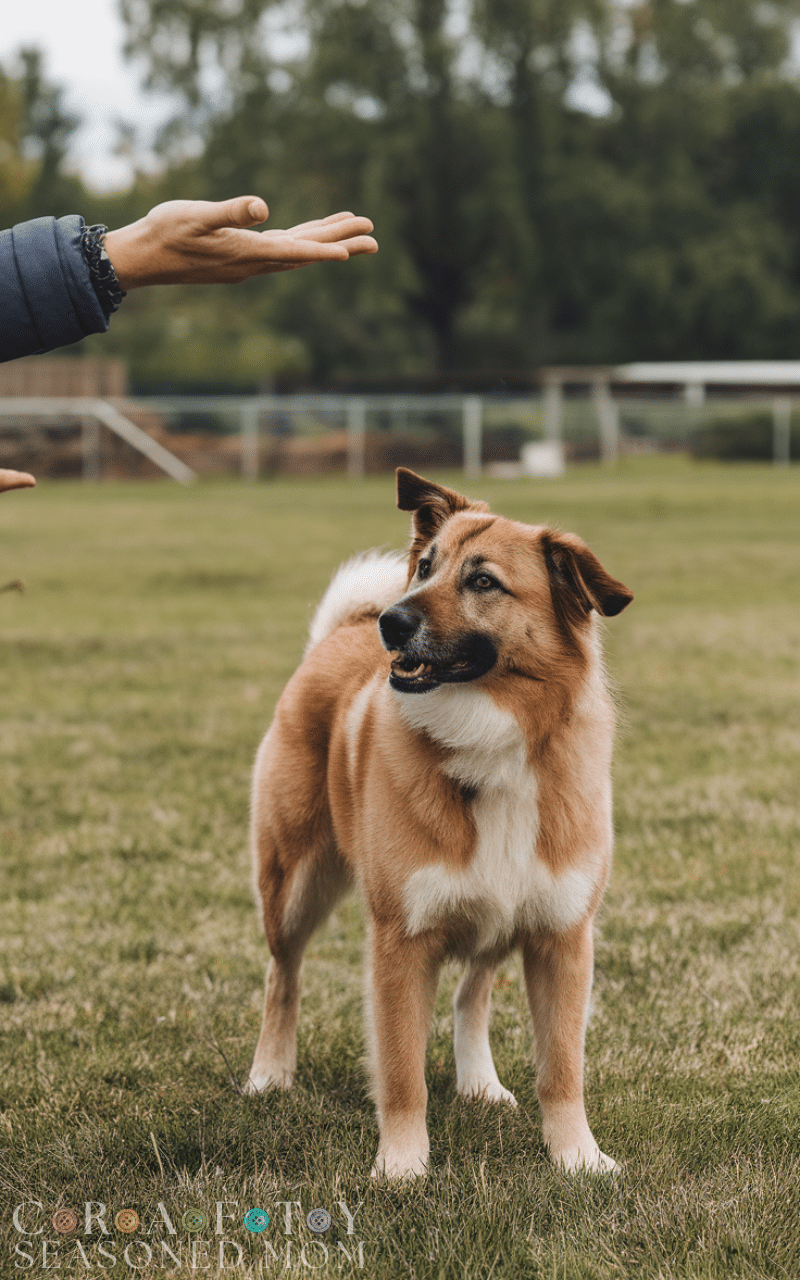
The “leave it” command teaches your dog essential self-control by preventing them from picking up dangerous or unsanitary items. This is incredibly helpful during walks in public spaces where they might encounter toxic foods or sharp objects.
Using treats and praise while practicing makes the learning process enjoyable rather than a struggle for power. Consistent practice in various situations helps your dog respond reliably when it matters most. This command is a cornerstone of safety and discipline in any advanced training program.
10. Drop It Command
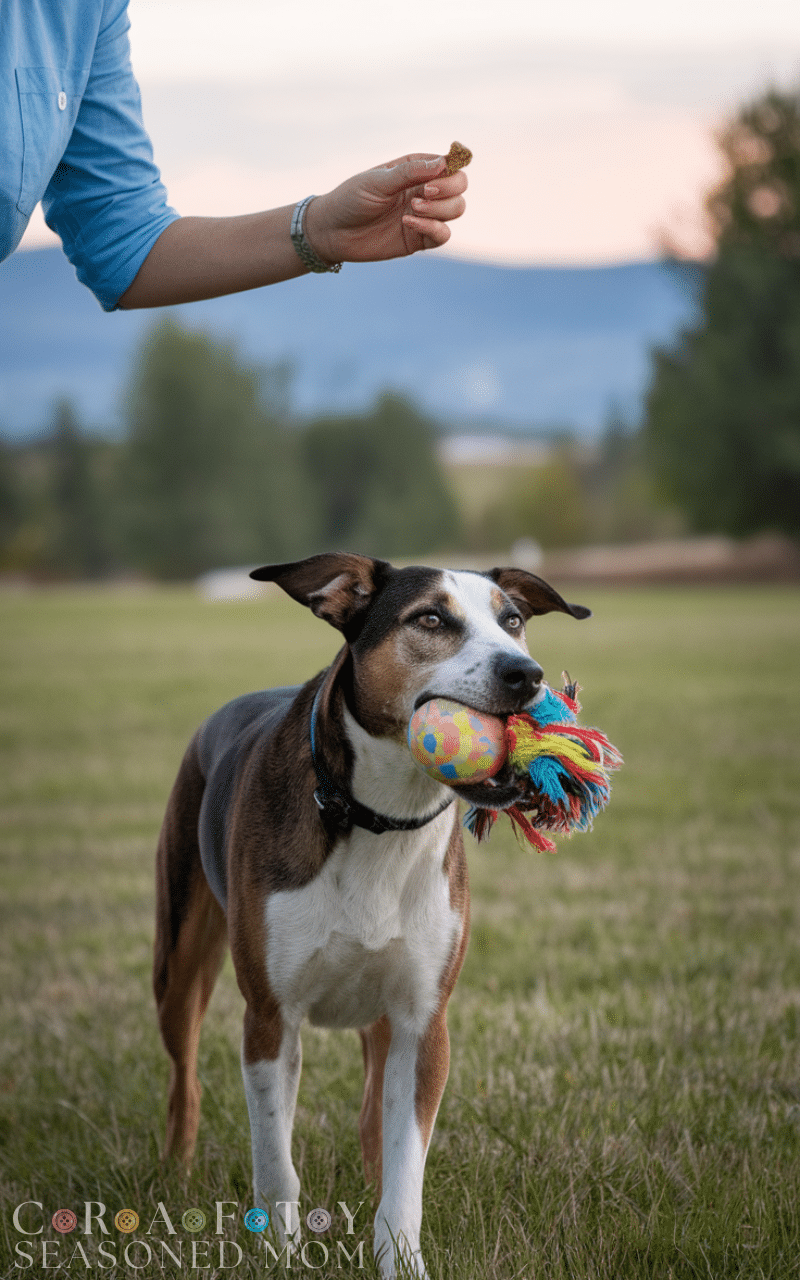
The “drop it” command helps your dog release items safely from their mouth, preventing them from chewing on or swallowing harmful objects. It makes playtime much safer and protects your personal belongings from being destroyed.
Using toys and treats to trade for the object makes training feel like a game. Repeating this exercise regularly ensures your dog understands the concept of “trading up” for a reward. Mastering this command gives you peace of mind during fetch or when they find something they shouldn’t have.
9. Heel Command
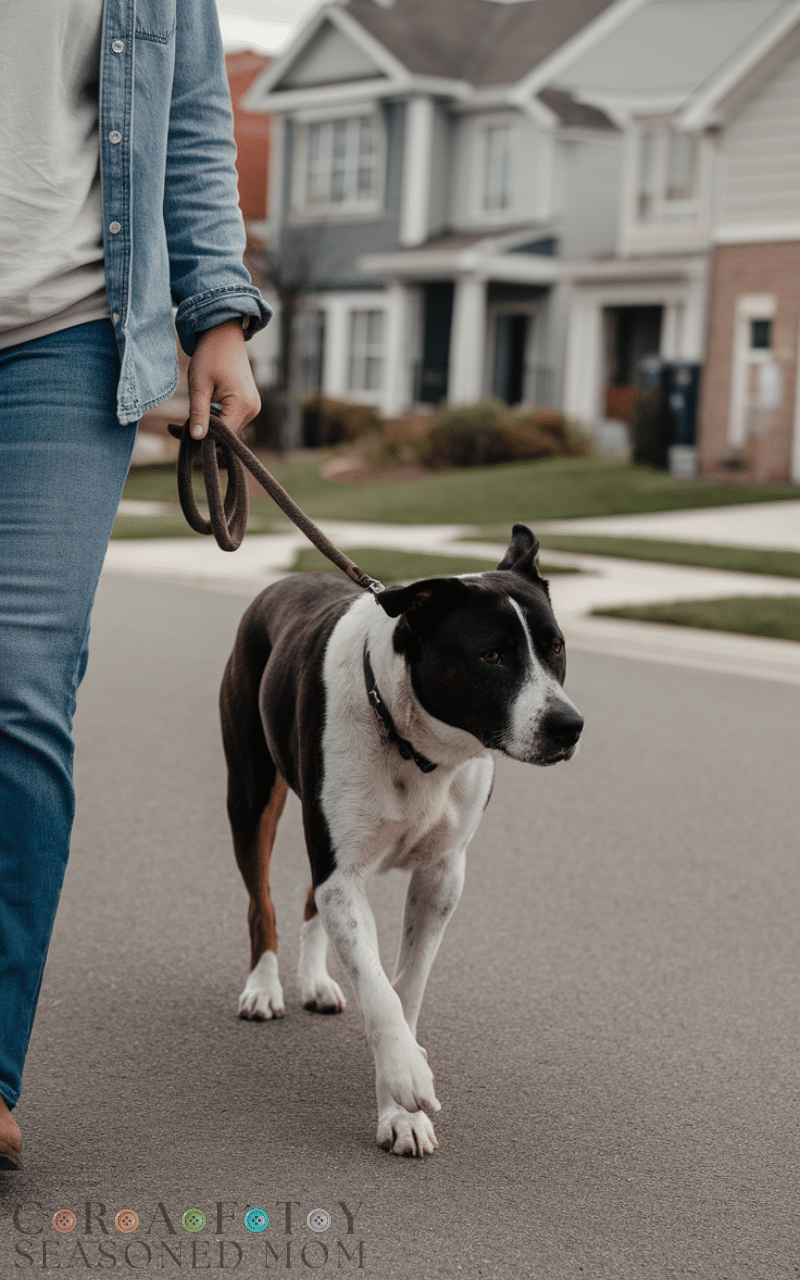
The “heel” command teaches your dog to walk politely beside you, which prevents them from pulling on the leash and making walks a chore. This improves safety near busy roads and builds a stronger connection as the dog must pay attention to your pace.
Rewarding them with verbal praise and small treats while they walk in the correct position encourages cooperation. Short, focused training sessions on your daily route will improve results quickly. Consistent practice is the key to success for any dog learning to navigate the world on a leash.
8. Wait Command
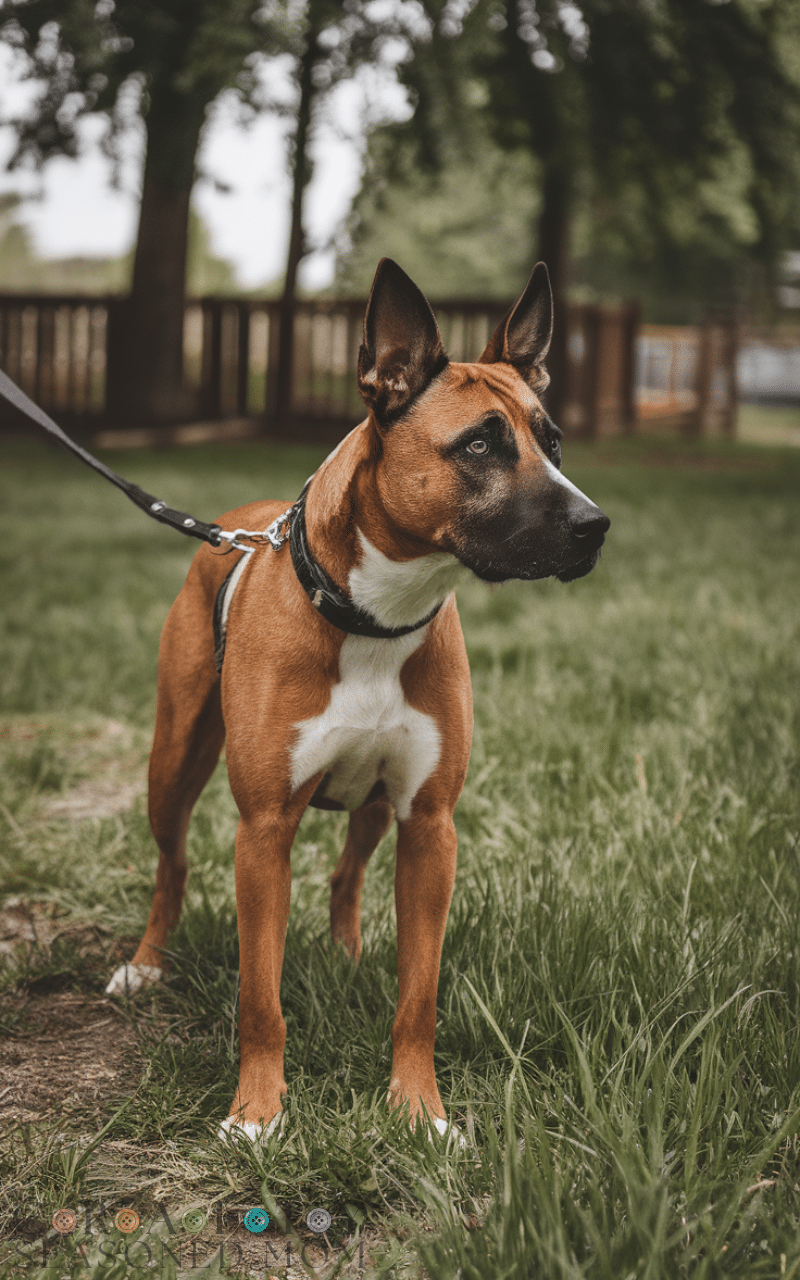
The “wait” command is a useful tool when you need your dog to pause briefly, such as preventing them from rushing out of open doors or car hatches. It helps maintain control in busy transition areas and is a great companion to the “stay” command.
Using hand signals and treats while practicing improves their understanding of boundaries. Practicing in different environments, like at the curb or the front door, makes your dog more reliable. This builds patience and ensures they wait for your signal before moving forward.
7. Off Command
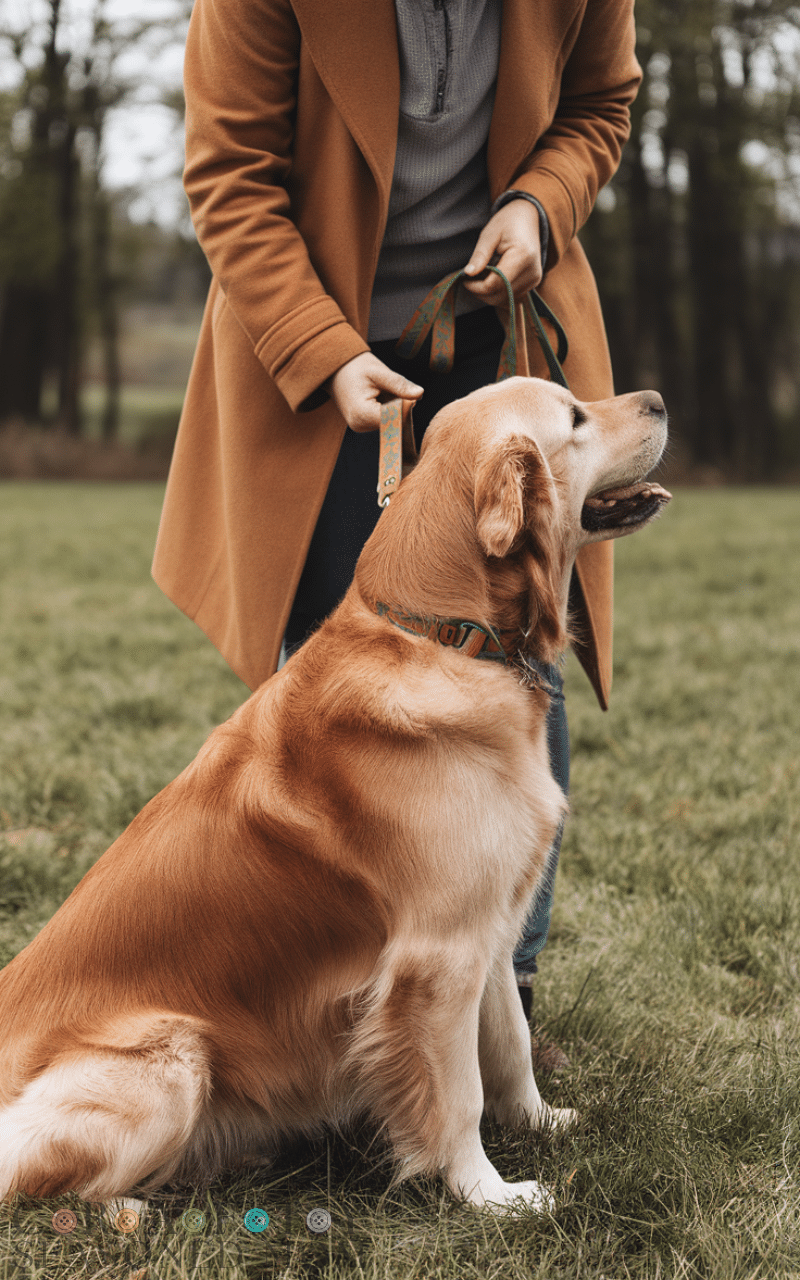
The “off” command teaches your dog not to jump on people or furniture, which immediately improves their manners at home. It reduces stress for visitors and is essential for maintaining a disciplined and respectful household.
Rewarding your dog with treats only when all four paws are on the floor reinforces the correct behavior. Practicing in various social situations helps them generalize the command. Mastering this ensures polite behavior with family and friends, supporting a well-behaved lifestyle.
6. Watch Me dog training commands
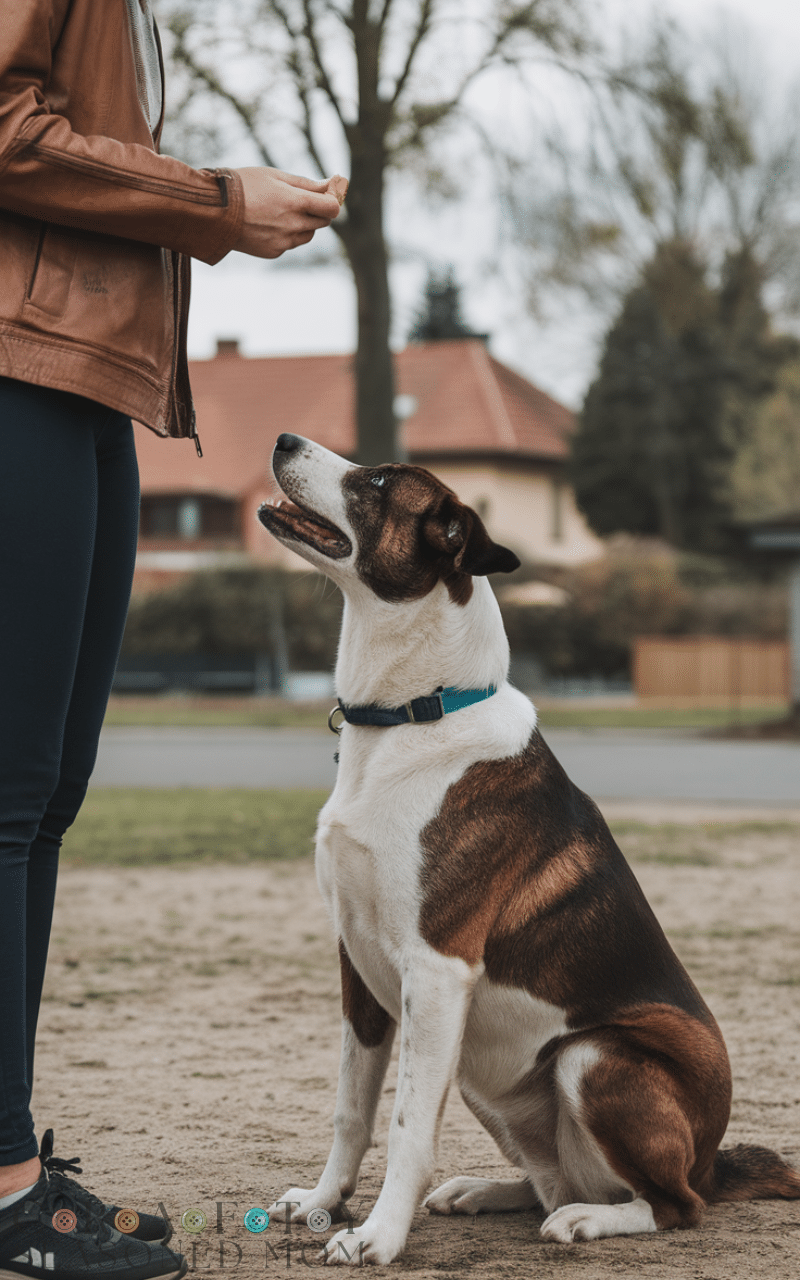
The “watch me” command improves focus and attention, which is vital when you are in a distracting environment. It strengthens the communication channel between you and your dog, making it much easier to teach every other command on this list.
Rewarding your dog for maintaining eye contact reinforces their focus on you as the leader. Practicing this in different locations improves their reliability even when other dogs or squirrels are nearby. It becomes a core part of your routine to manage excitement and ensure better obedience.
5. Place dog training commands
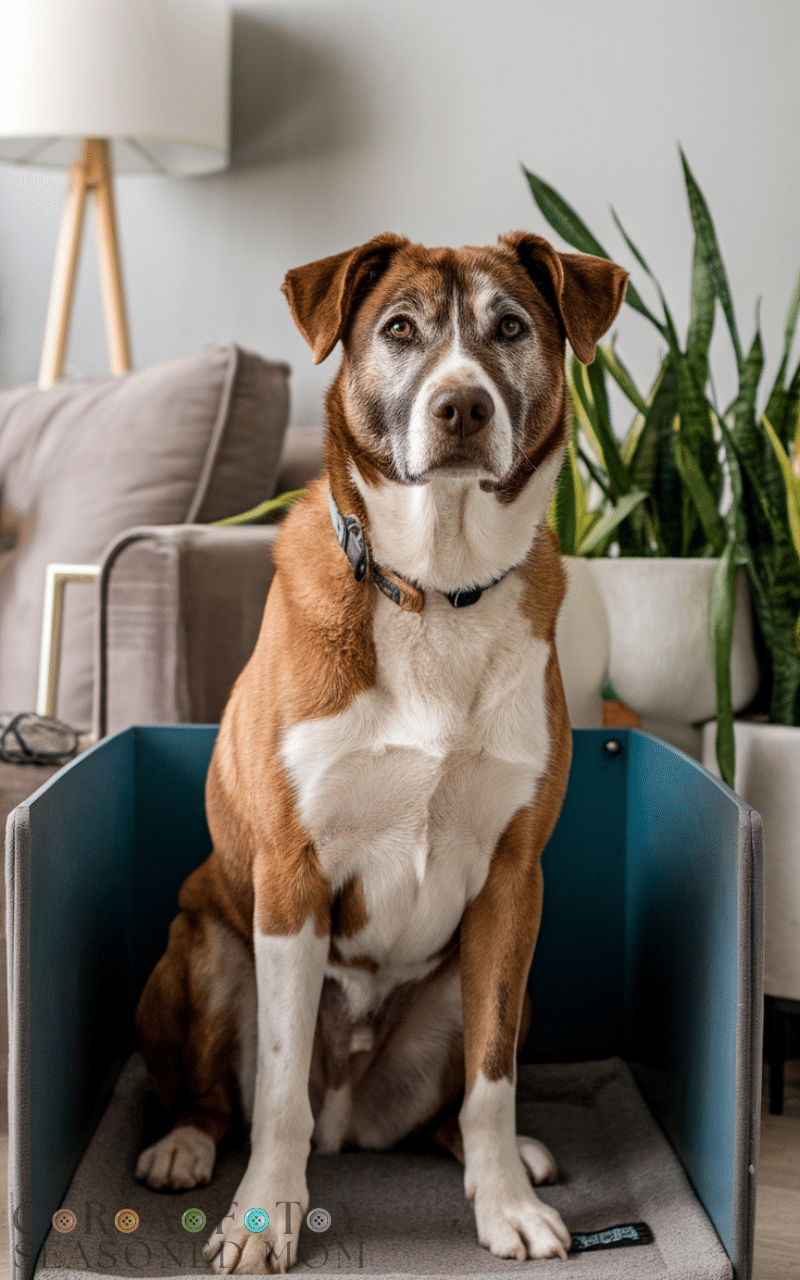
The “place” command teaches your dog to go to a designated spot, like a bed or a mat, and stay there until released. This helps prevent unwanted behaviors, such as begging at the table or crowding the front door when visitors arrive.
Using treats and praise while they are on their “place” reinforces that being in that spot is rewarding. Consistent practice provides structure and a sense of calm within the home. Mastering this command makes your daily life easier and gives your dog a “safe zone” where they can relax.
4. Speak dog training commands
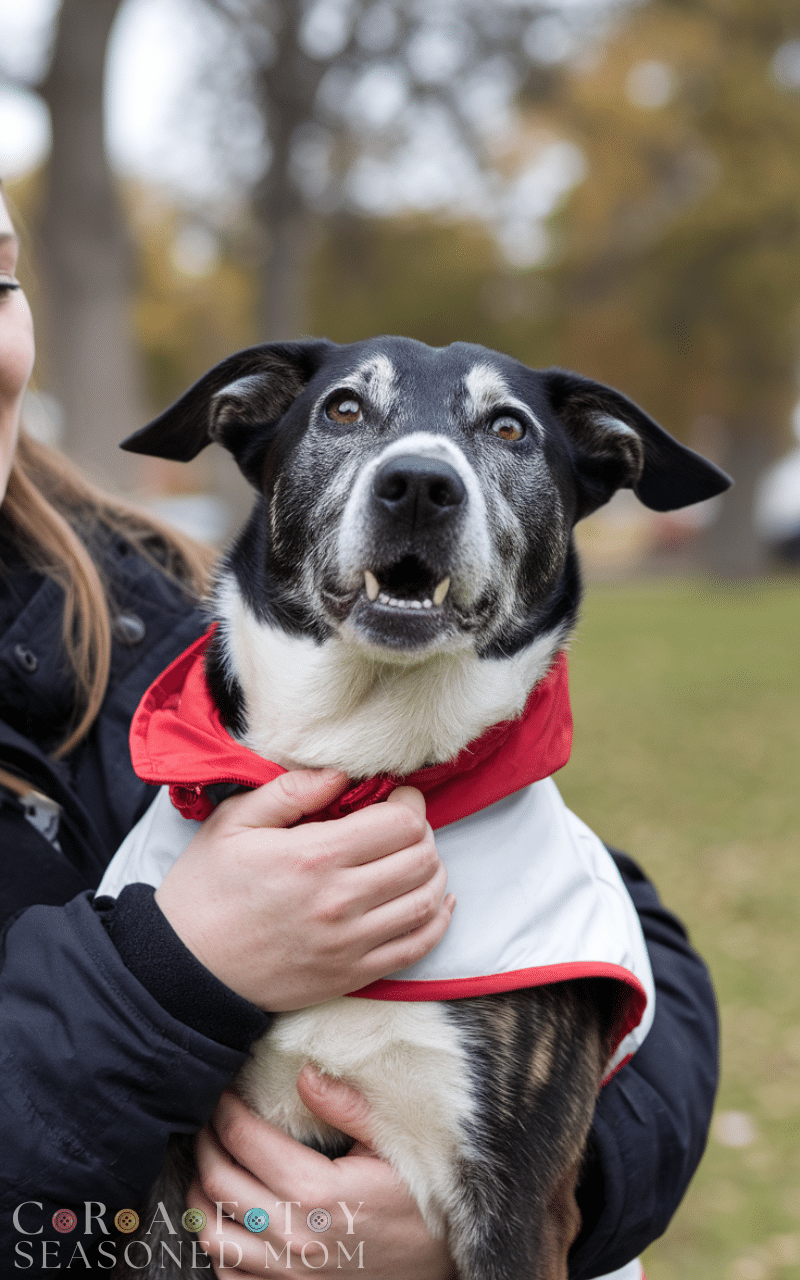
The “speak” command allows your dog to vocalize on cue, providing mental stimulation and a way to turn barking into a controlled activity. It can be used for fun games and actually helps you manage unwanted barking by putting the behavior on a “trigger.”
Rewarding your dog with treats when they bark once on cue encourages participation and improves accuracy. This enhances your overall communication and adds variety to your training sessions. Mastering this command adds a layer of fun and helps teach the dog when it is—and isn’t—appropriate to be loud.
3. Quiet Command
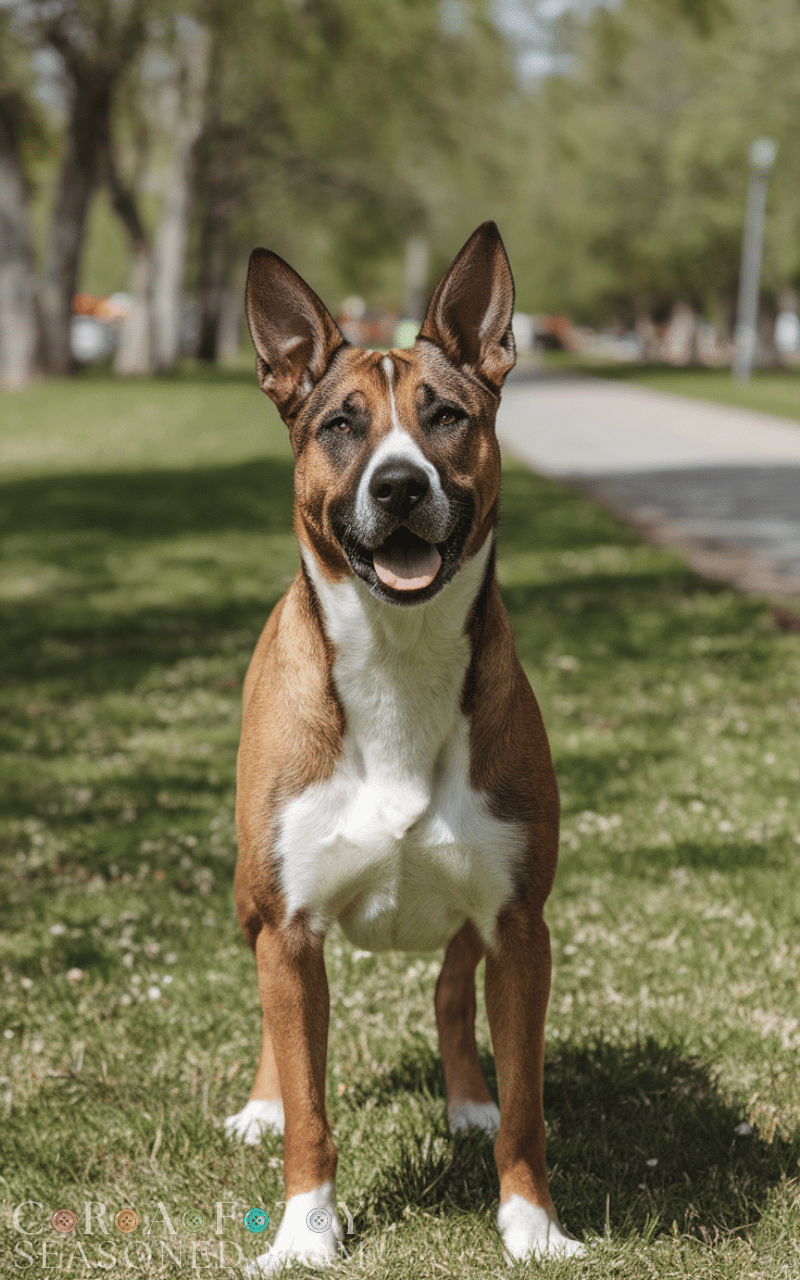
The “quiet” command is used to teach your dog to stop barking on demand, which is essential for maintaining peace at home. It reduces stress for both you and your neighbors and is most effective when taught alongside the “speak” command.
Rewarding your dog the moment they stop barking encourages them to choose silence over noise. Practicing in various situations, like when the doorbell rings, improves their reliability. This helps your dog become a calm, well-mannered companion who understands the boundaries of vocalizing.
2. Recall Command
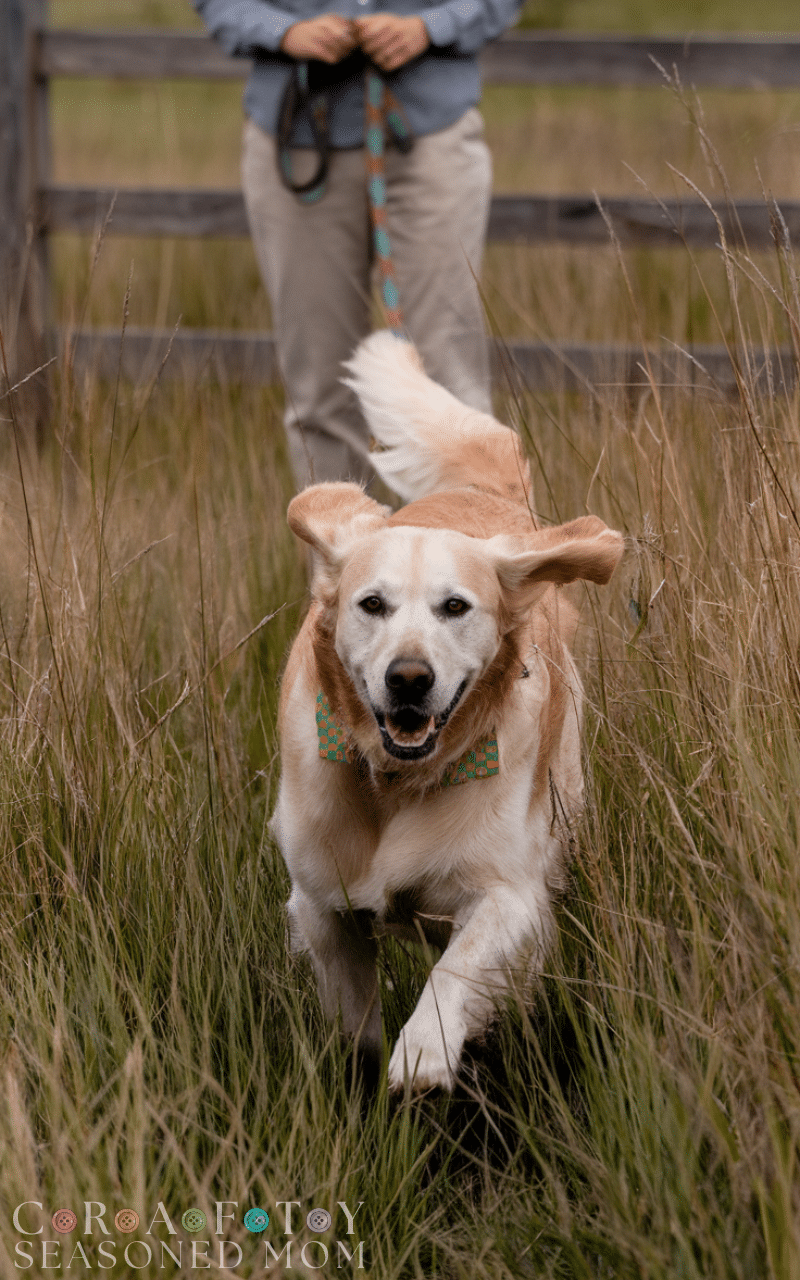
The “recall” command ensures your dog comes back to you reliably every single time, making it the most important safety command you can teach. It prevents lost pets and accidents, especially during off-leash activities or in emergency situations.
Rewarding your dog with high-value treats and extreme praise makes them want to return to you as fast as possible. Consistent practice in different locations builds their confidence and ensures obedience in any situation. Mastering this command should be a top priority for every responsible dog owner.
1. Combined Commands Practice
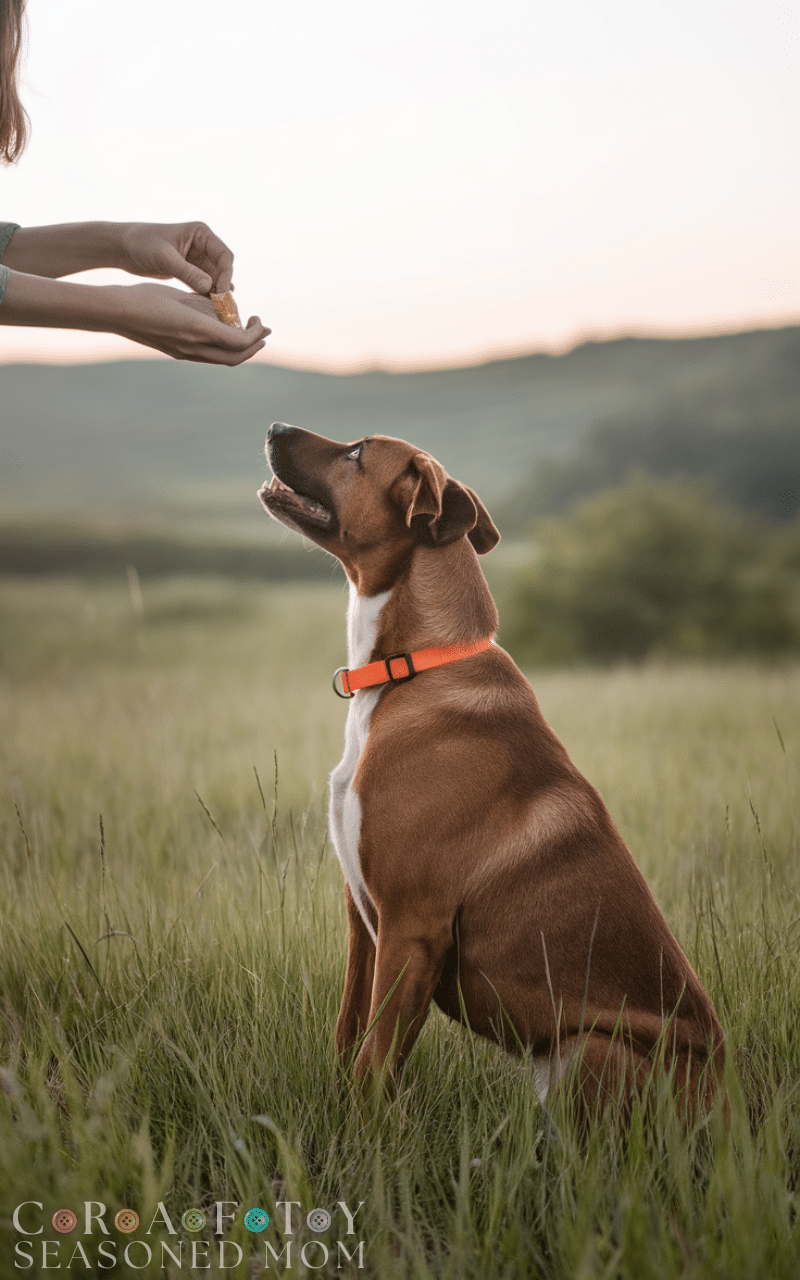
Practicing multiple commands together, such as “sit-stay-come,” improves your dog’s memory and mental agility. It reinforces lessons learned and makes daily life much smoother, as the dog learns to respond to a string of instructions in real-world scenarios.
Using treats and praise throughout these “combo” sessions keeps the training fun and high-energy. Regular sessions improve their overall understanding and prepare them for advanced tricks. Mastering combined commands ensures you have a well-trained, happy, and mentally sharp pet.
Conclusion
Mastering these dog training commands will significantly improve your dog’s behavior and strengthen the bond you share. It ensures safety, happiness, and mutual respect for both you and your furry friend.
Practicing regularly and keeping sessions positive is the secret to success. If you found this guide helpful, please share it with other pet owners!
