

I knew I needed anger management activities when I was feeling like I had fire in my chest became and I couldn’t expel it, I guess because I’m getting older. Despite my daily journaling, I felt stressed by episodes of anger that, while suppressed and never directed at others, felt like they were burning me from the inside out.
Statistically, I am not alone; research indicates that approximately 7.8% of the U.S. population experiences intense, poorly controlled anger and studies on “anger attacks” show varying rates across racial groups and to find a temporary distraction before tackling my deeper issues, I even looked back at my article on food activities for kids, hoping that simple tasks might provide a moment of peace with lovely little ones.
As I researched more effective anger management activities, I discovered a surprising truth that shocked me, like aggressive venting, like punching a bag, can actually increase anger levels over time by reinforcing aggressive neural pathways, so I changed direction to look for more physical aggression endurance sports.
I considered Brazilian Jiu-Jitsu, a “great equalizer” where technique and community outweigh status, and my husband encouraged me because he loves watching mixed martial art matches, but unfortunately, I needed something more accessible until I could afford the therapy I eventually plan to pursue
The definitive solution came when I shifted my focus toward grounding Anger Management Activities that promote physiological regulation and gratitude. I adopted a two-fold approach: high-intensity endurance running to “burn off” the peak of a flare-up, followed by bird watching and rigid heddle weaving to sustain calmness.
Bird watching has been clinically shown to reduce blood pressure within just 5 minutes, and the repetitive counting involved in weaving keeps my mind from spiraling into “petty” or “overwhelming” thoughts. By engaging in hobbies that keep me balanced and connected to nature,
I’ve successfully managed to bridge the gap to my future goal of clinical therapy, proving that while a hobby won’t “fix” the source of anger, it can certainly keep the fire from spreading.
15. Create a Calm-Down Corner
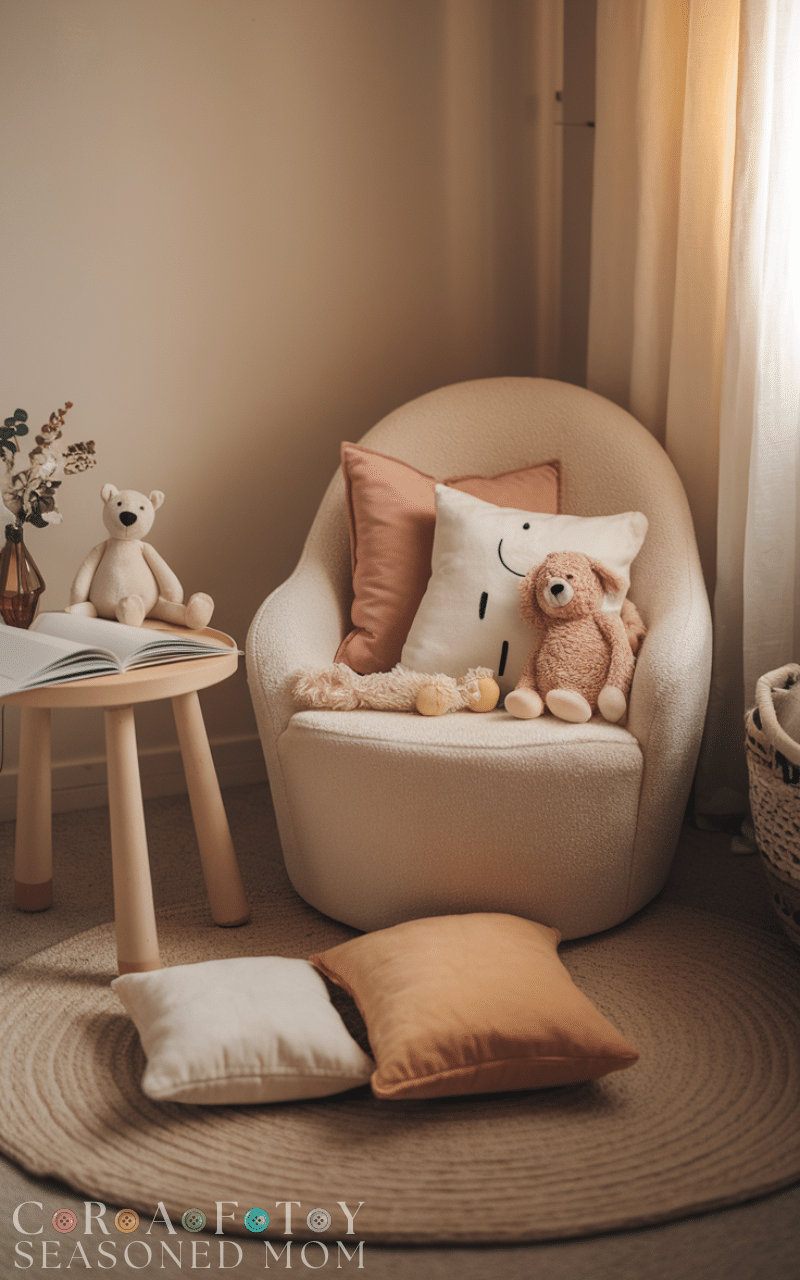
A calm-down corner gives your child a safe space to breathe, think, and calm down. Add soft pillows, gentle lights, quiet books, or a stuffed toy to make it cozy. Children learn that taking a break is okay, and over time, they’ll go there on their own when frustration builds.
14. Use a Feelings Thermometer
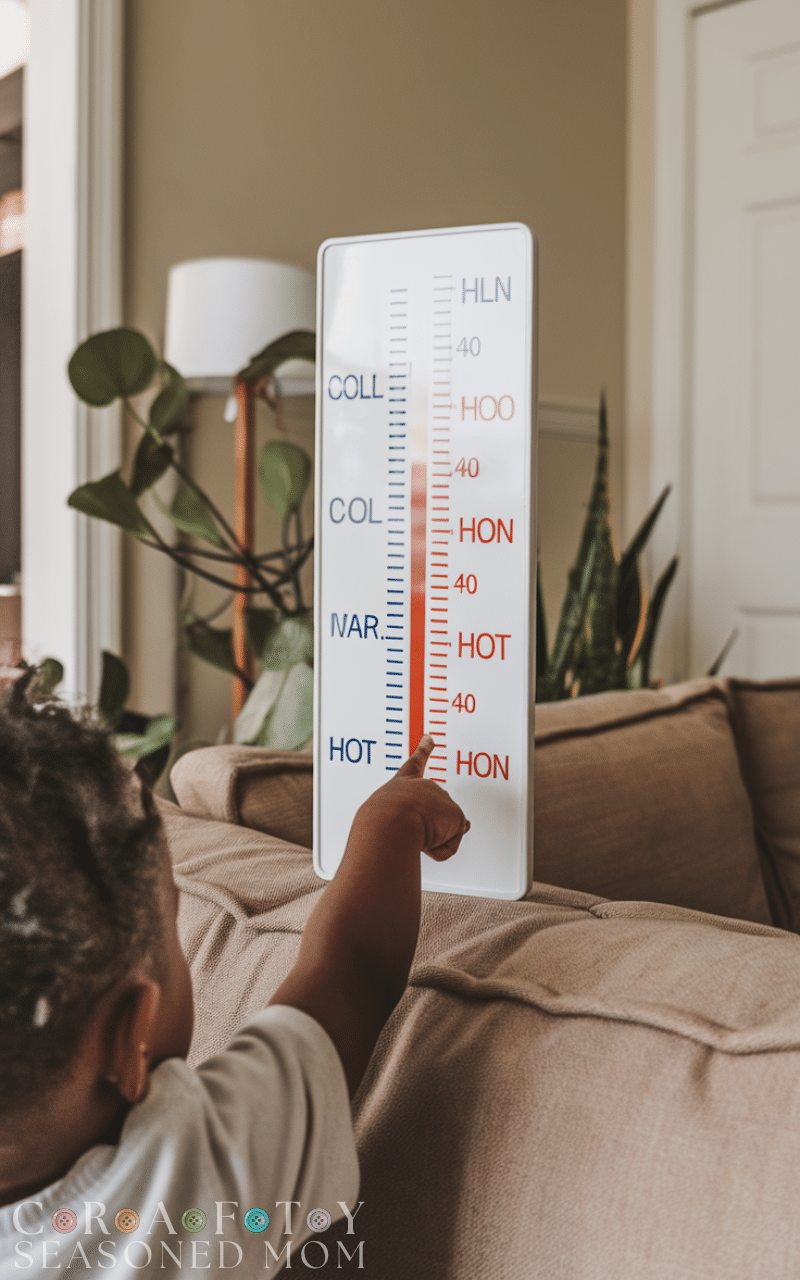
A feelings thermometer helps kids recognize anger early. Draw a thermometer with colors from cool to hot and explain that as the temperature rises, so does the intensity of feelings. This teaches self-awareness and encourages children to pause and use calming strategies before anger escalates.
13. Deep Breathing and Bubble Blowing
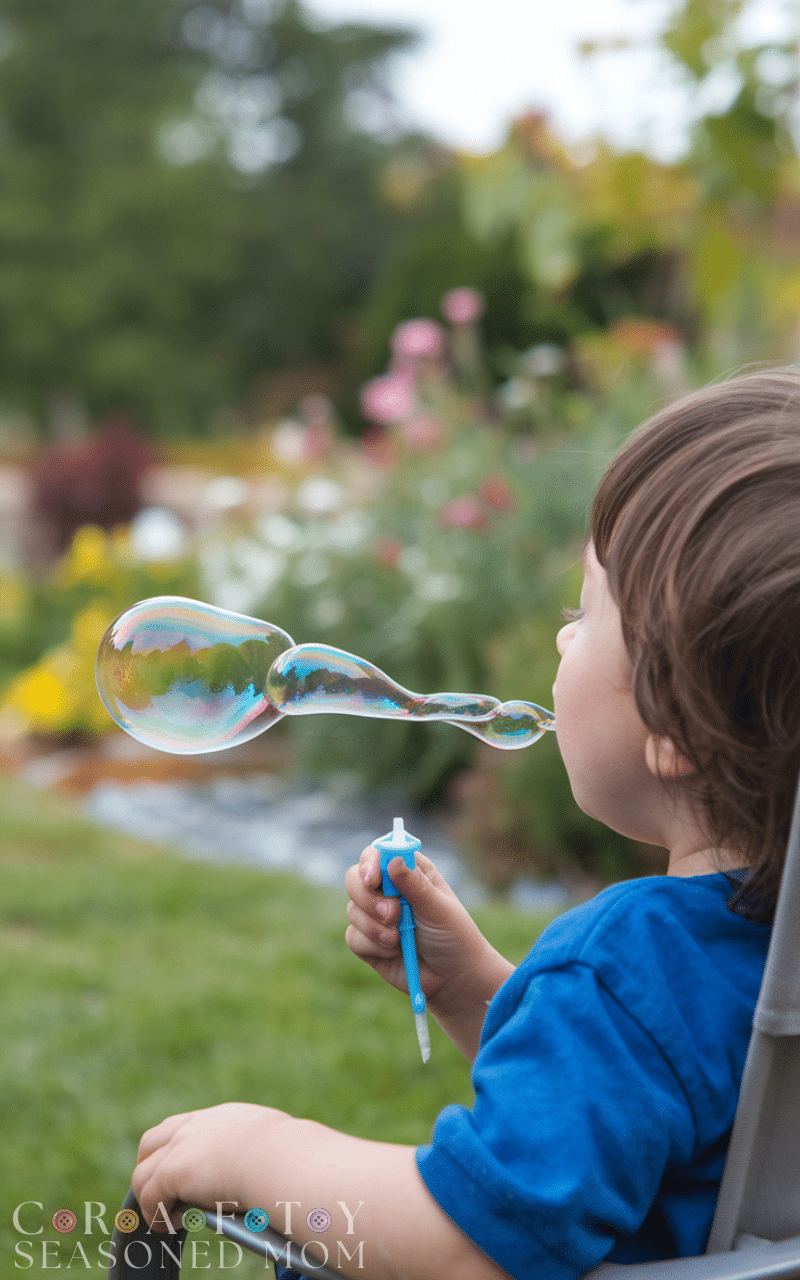
Teach your child to blow bubbles slowly and gently. Slow breaths make big bubbles, while fast breaths make small ones. This playful activity helps children calm their mind and body and is a fun introduction to deep breathing exercises.
12. Body Map of Anger

Using a body outline, children can color where they feel anger—fists, chest, tummy, etc. This visual activity helps them recognize physical signs of anger and use calming tools sooner.
11. Role-Play Angry Situations
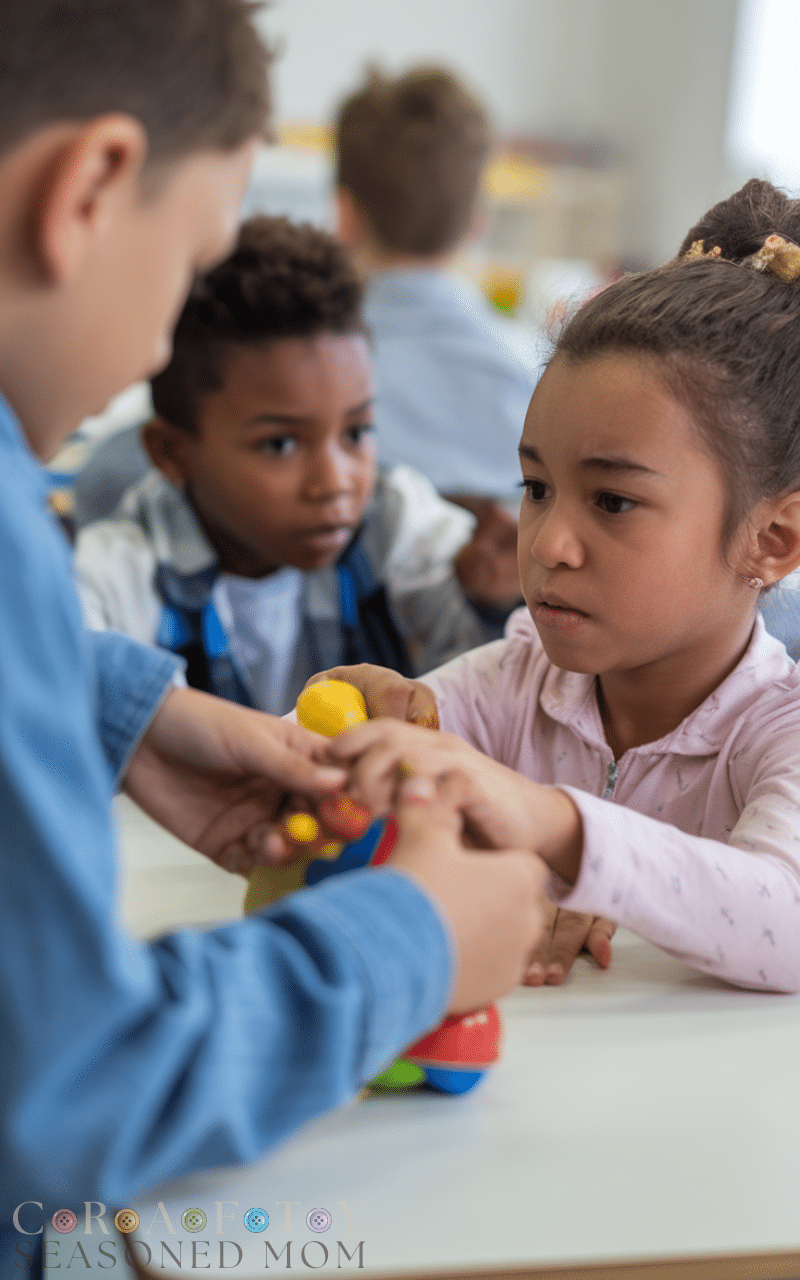
Role-playing lets children act out anger-inducing situations safely. They can practice calm and kind responses to pretend scenarios, learning problem-solving, empathy, and communication skills in the process.
10. Stress Ball or Squeeze Game
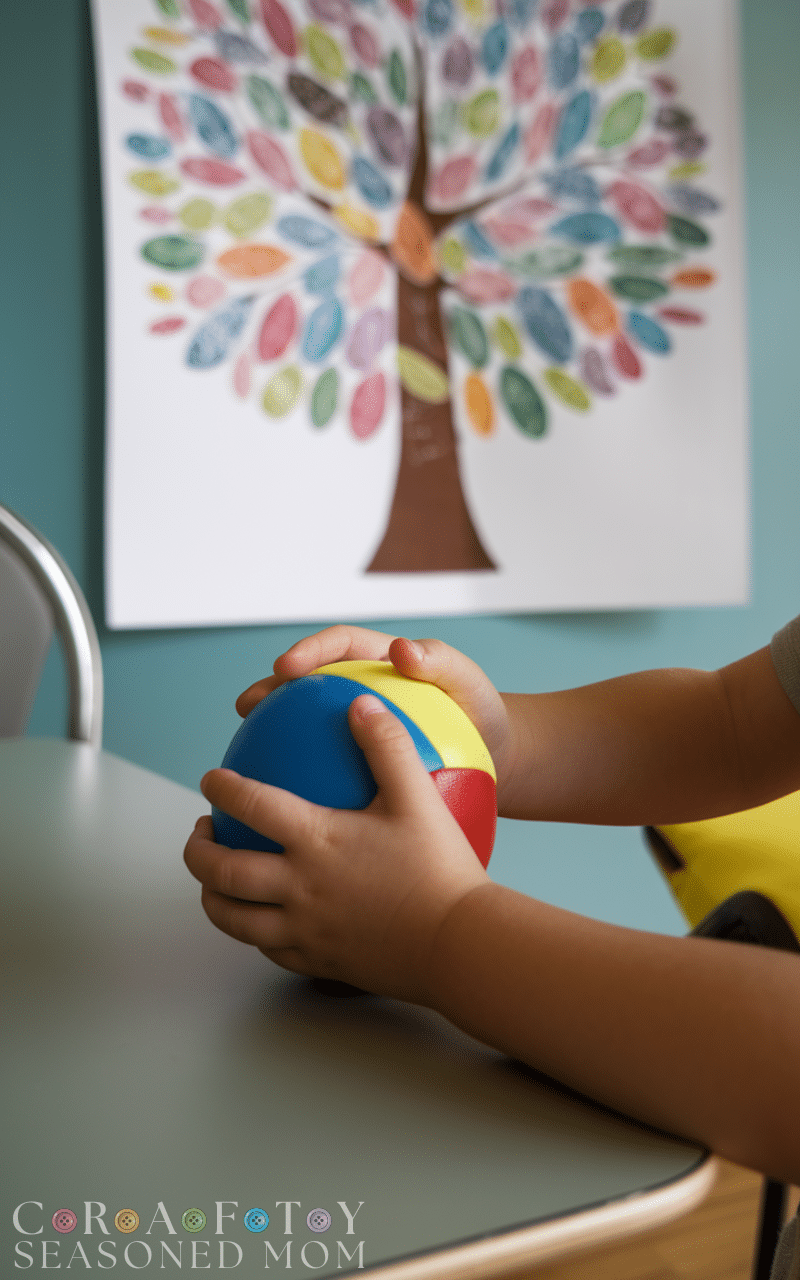
A stress ball helps children release tension through their hands. Show them how to inhale while squeezing and exhale while releasing. This teaches control and calmness, redirecting energy that might otherwise turn into yelling or hitting.
9. Draw or Color Your Anger Monster
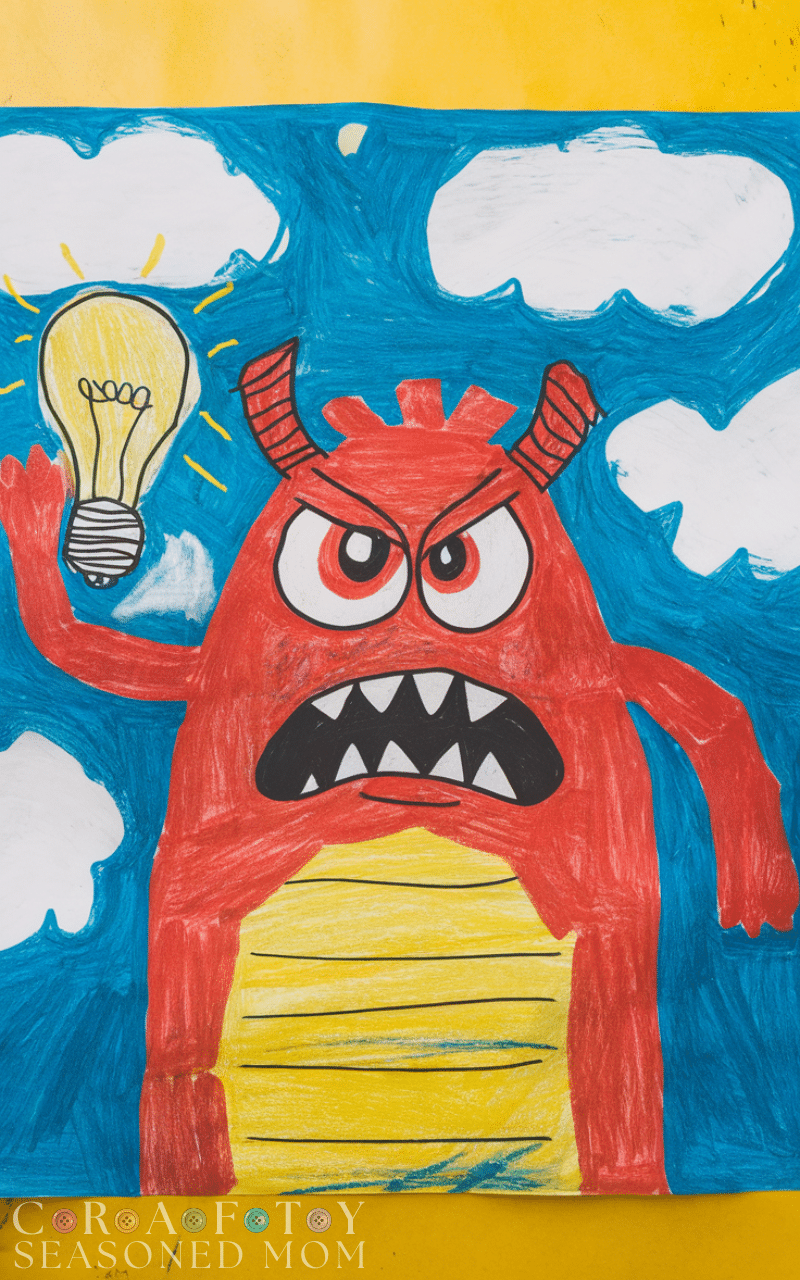
Ask your child to draw their anger as a monster—give it eyes, color, and a funny name. Then discuss what triggers the monster and how to make it smaller. This creative exercise helps children understand and control their anger.
8. Make a Calm-Down Glitter Jar
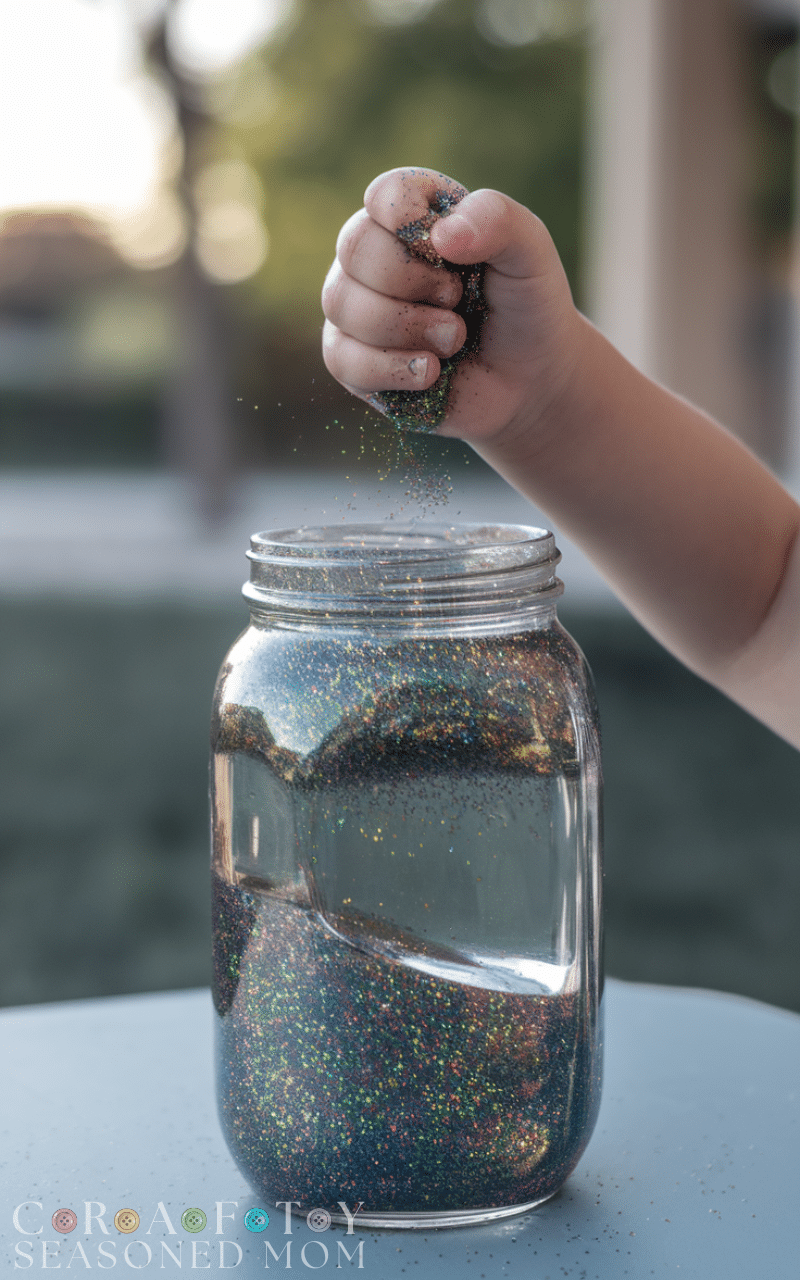
Fill a jar with water, glitter, and glue. When shaken during anger, the glitter settles as the child breathes slowly, visualizing their mind calming down. Simple, relaxing, and easy to make at home.
7. Journaling or Feelings Diary
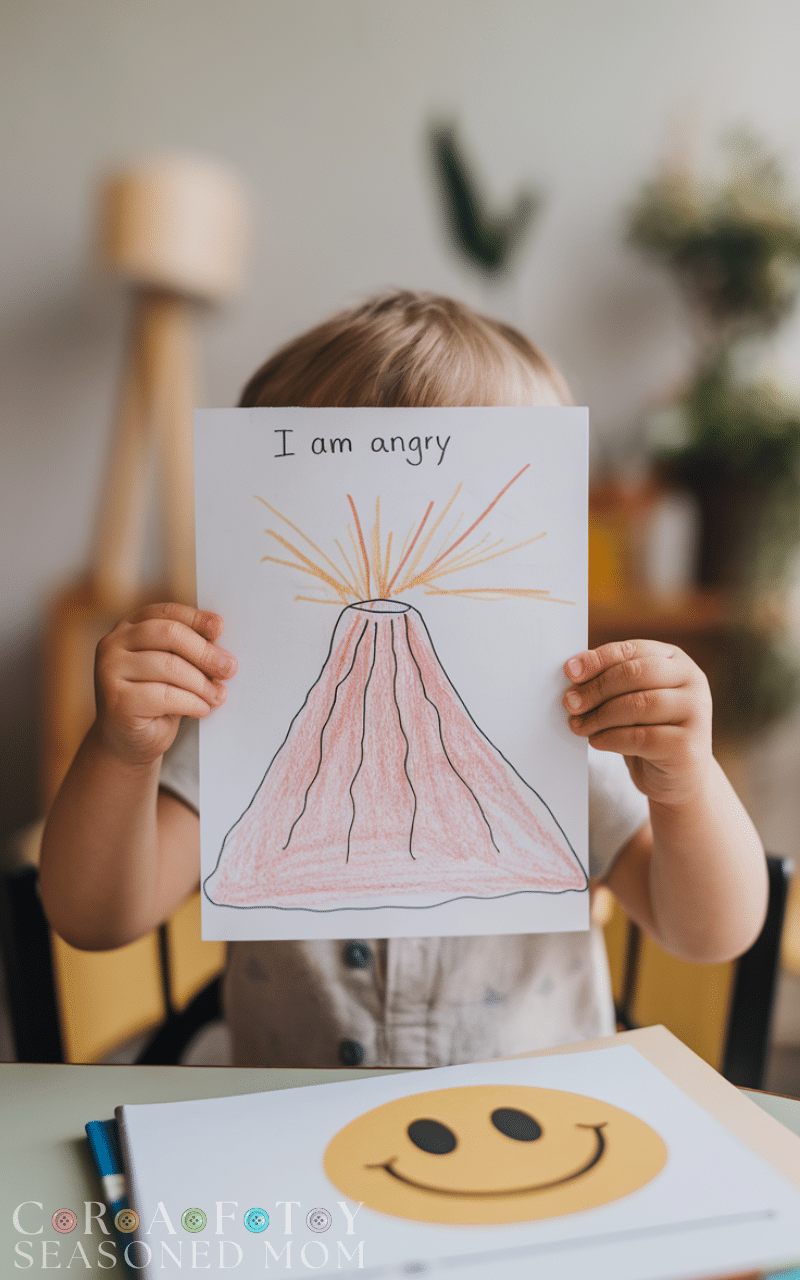
Encourage your child to write or draw feelings in a diary. Over time, this builds emotional awareness, vocabulary, and reflection skills, helping them identify patterns and calm themselves effectively.
6. Emotion Color Scale
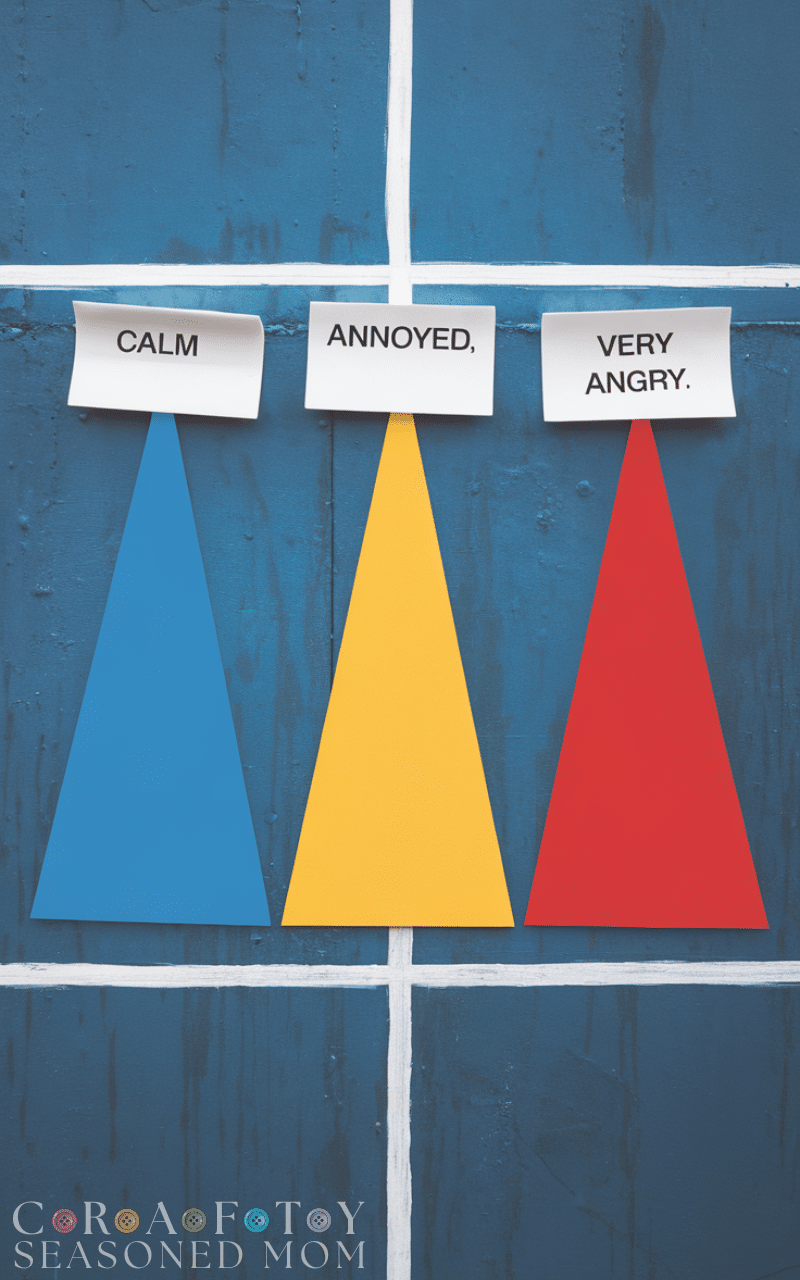
Turn feelings into colors: blue = calm, yellow = annoyed, red = very angry. Children point to their current emotion, allowing adults to intervene before anger grows. This builds emotional intelligence and helps track moods daily.
5. Balloon Breathing Exercise

Ask children to imagine a balloon in their belly. As they breathe in, it inflates; as they breathe out, it deflates. This teaches breath control and helps children release tension gently.
4. Yoga and Stretching for Calm
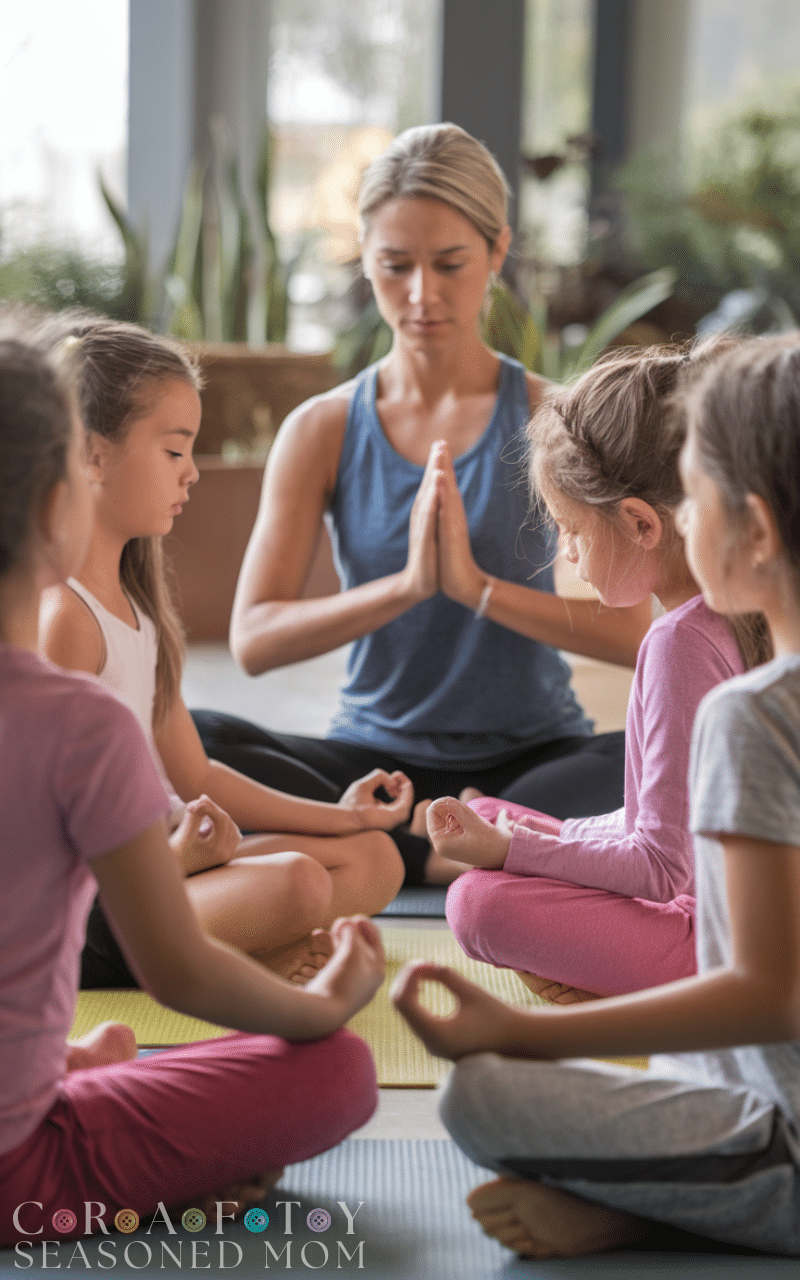
Simple movements like tree pose or cat-cow stretches release energy and encourage slow breathing. Yoga helps children reconnect with their bodies, improving patience and mindfulness.
3. Feelings Cards Conversation Game
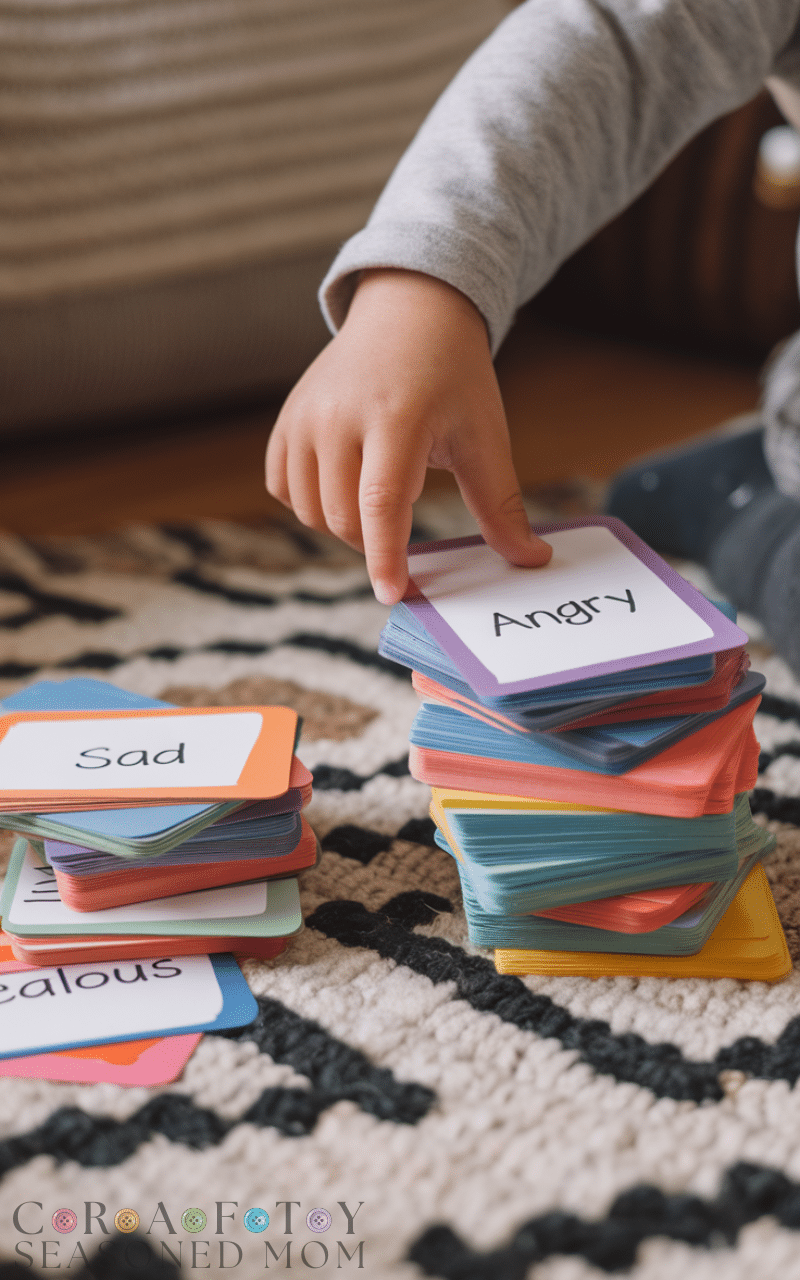
Use cards with emotions printed on them. When a child picks one, they describe when they felt that way. This creates a safe space to share emotions and improves communication and trust.
2. Fishing for Feelings Game
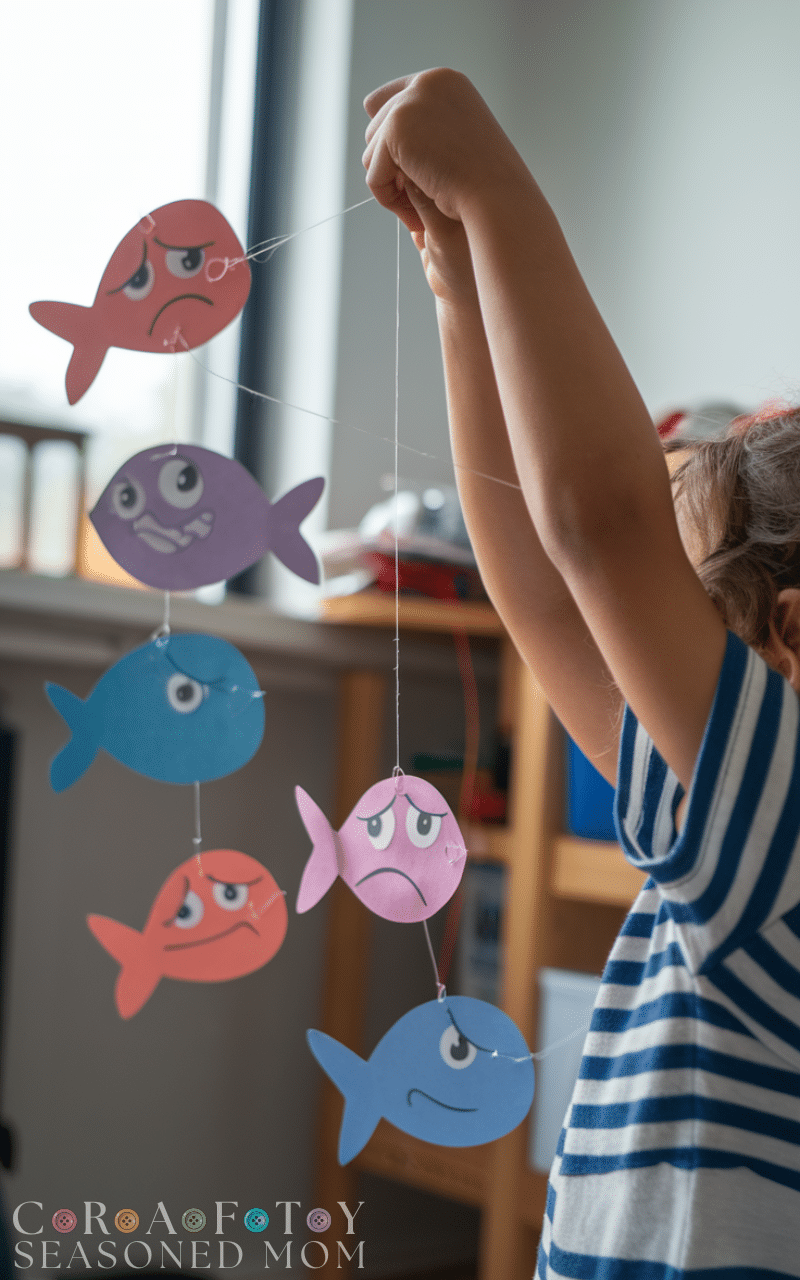
Cut out paper fish with different emotions written on them. Children catch a fish with a magnet or string and describe a time they felt that emotion. This movement plus reflection game teaches kids that all emotions are normal and manageable.
1. Volcano Adventure Game
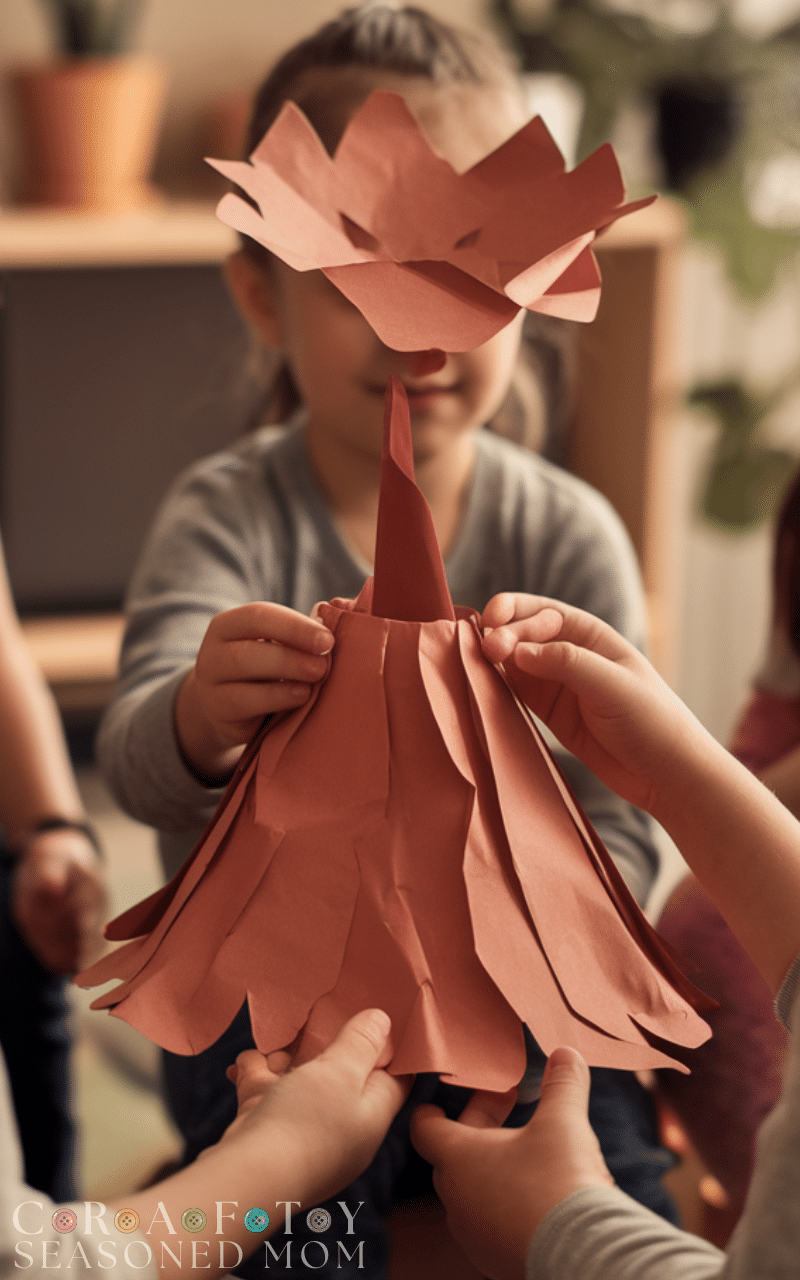
Create a pretend volcano with paper or clay. Explain that anger is like the volcano bubbling. Children practice calm steps—breathing, counting, taking turns—to prevent an eruption. Imaginative, interactive, and empowering.
Conclusion
These anger management activities for kids are fun, creative, and effective. Practicing them daily helps children build patience, confidence, and emotional control. Anger doesn’t have to be scary—it can be managed positively.
For more parenting guides and creative ideas, subscribe to my blog and stay inspired with practical strategies for kids.
