

After successfully converting an empty space of my backyard into elegant Guest Houses for visitors, I became loved by unique architectural styles that blend indoor and outdoor living. That’s when I have a current problem I was captivated by a stunning home built in the traditional Dogtrot style, featuring a massive central breezeway that seemed to promise incredible airflow and integration with nature.
Dogtrot House Plans look beautiful, but hailing from a humid, forested area, I knew the immediate, glaring issue: bugs. I couldn’t imagine keeping a giant open breezeway without inviting every fly, wasp, and mosquito into my living spaces, making the concept seem impossible to implement in my region.
My research into Dogtrot House Plans revealed that this style originated in buggy, hot climates, popular before air conditioning, forcing people to choose between melting or dealing with insects. Critically, I learned that the central breezeway in modern designs is not meant to be perpetually open, as the picture suggests; owners today typically keep the doors closed for daily living.
The style’s defenses against pests often include raising the house up to mitigate ground-level critters and, most importantly, screening. My fear of constant bug intrusion was validated by others who insisted that a modern Dogtrot would require screens in the form of sliding doors and full screens on all windows to be truly livable.
The final solution is to embrace the Dogtrot house plans look while adapting the function to modern convenience and insect control. I can achieve the beautiful, airy look without sacrificing comfort. If I ever build a Dogtrot, I will use some custom sliding screen doors for the central breezeway, allowing me to enjoy the vibe and the indoor/outdoor flow without the hassle of flies and wasps.
Additionally, I installed a professional-grade indoor bug zapper would provide backup pest control and by prioritizing quality screening and recognizing that the open-door policy is primarily for dramatic effect, I can confidently incorporate the historic charm of the Dogtrot into my next architectural project.
16. Wide Breezeway Layout
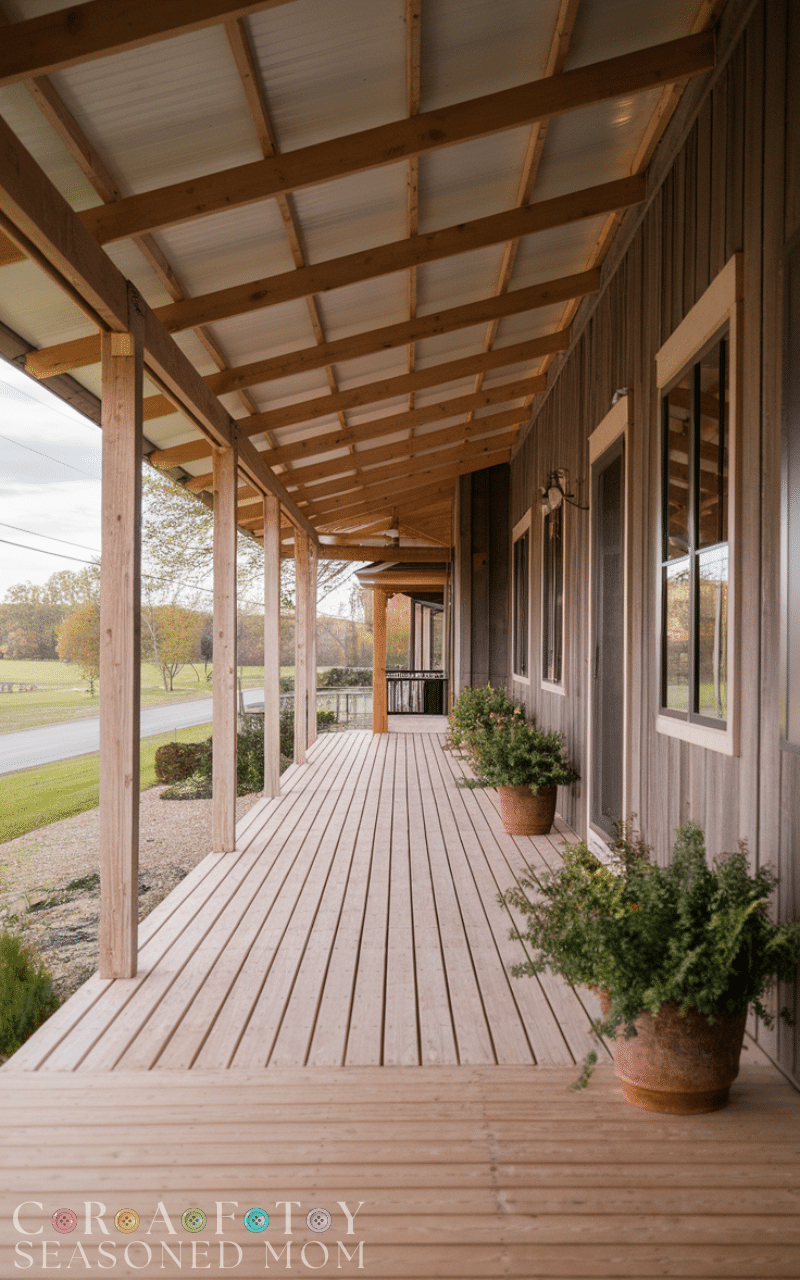
One of the most popular dogtrot house plans is the wide breezeway layout because it creates an open, airy space that connects the two main sections of the home in a natural, flowing way. This design allows fresh air to pass through the center of the house, keeping the entire place cool without relying heavily on energy-intensive machines.
The wide breezeway can also act as a covered outdoor living room where you can relax and enjoy the landscape while staying protected from the sun. Choosing this layout gives you a traditional setup that works wonderfully in warm climates, helping you enjoy a peaceful lifestyle with plenty of open air.
15. DogTrot Cabin With Rustic Charm
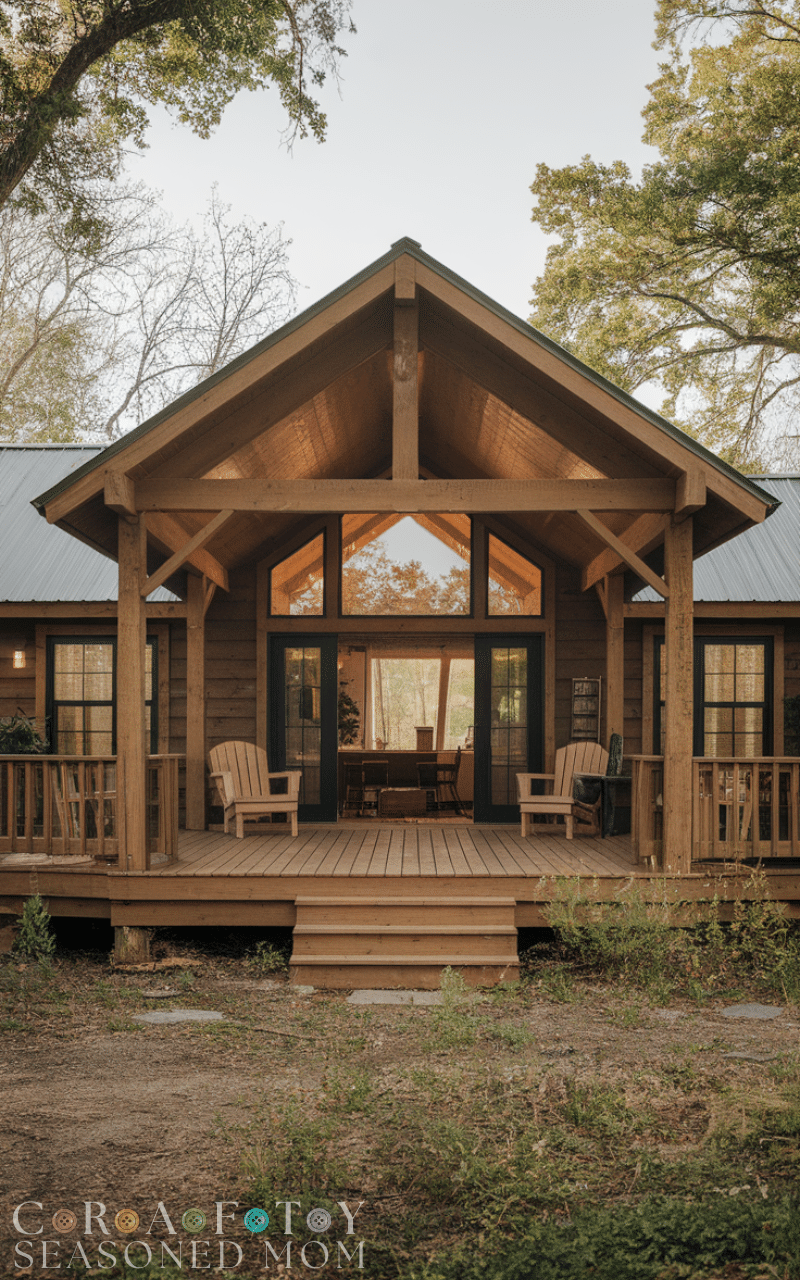
A rustic cabin style is a beautiful choice in dogtrot house plans because it mixes natural materials with a timeless layout that feels warm and inviting. This idea often utilizes exposed wood details, high ceilings, and an open center breezeway that brings a constant flow of fresh air into the interior.
A rustic dogtrot cabin is perfect for country living, farm areas, or nature retreats, as it provides space, simplicity, and calmness. The center breezeway becomes the heart of the home, serving as a perfect spot for morning coffee or evening talks with friends in a cozy, grounded environment.
14. Modern Minimalist DogTrot Style
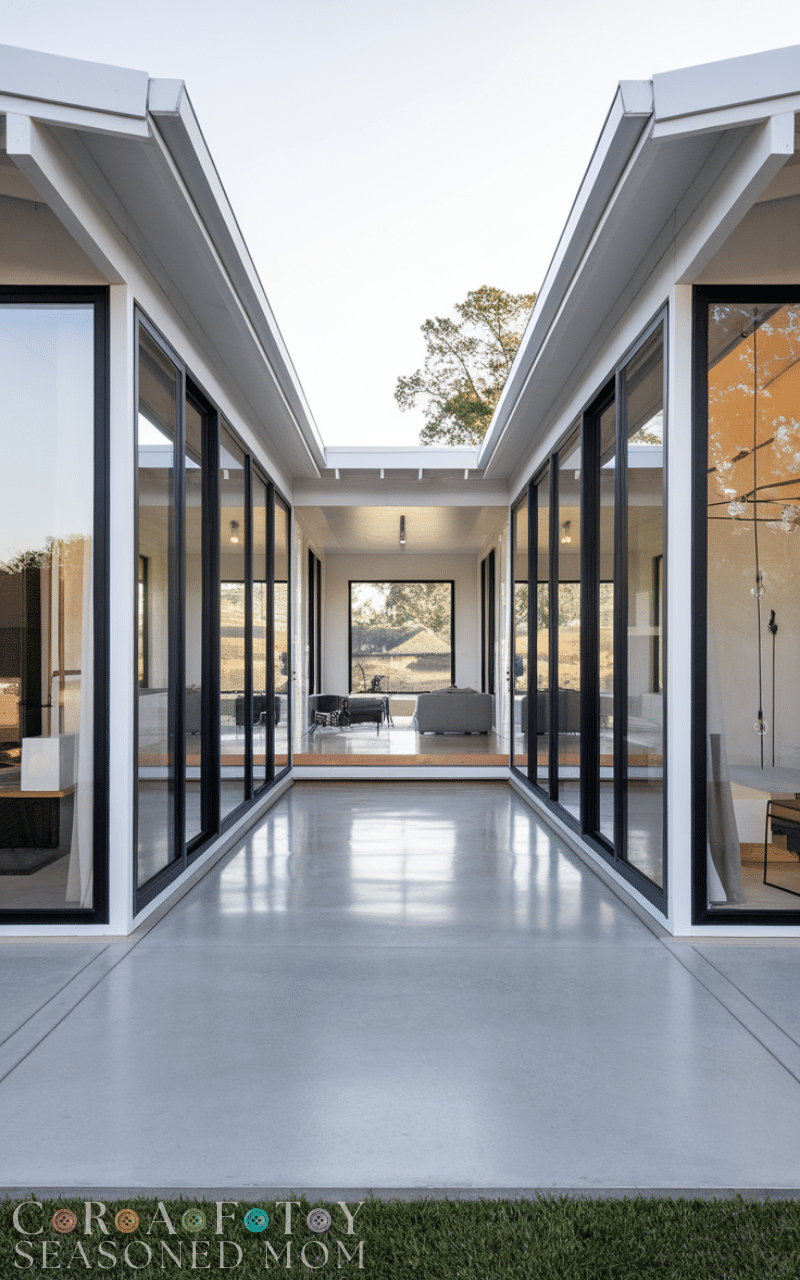
A modern minimalist style is an exciting direction because it keeps everything clean, streamlined, and open. This idea takes the traditional breezeway and adds modern lines, industrial materials, and large windows that flood the home with natural light, helping the wings look bigger and brighter.
Modern dogtrot plans often include polished concrete floors and wide glass doors that make the home feel refreshing and uncluttered. This style offers beauty and simplicity while keeping the dogtrot tradition alive for a new generation that values high-end, contemporary design.
13. DogTrot With Wraparound Porch
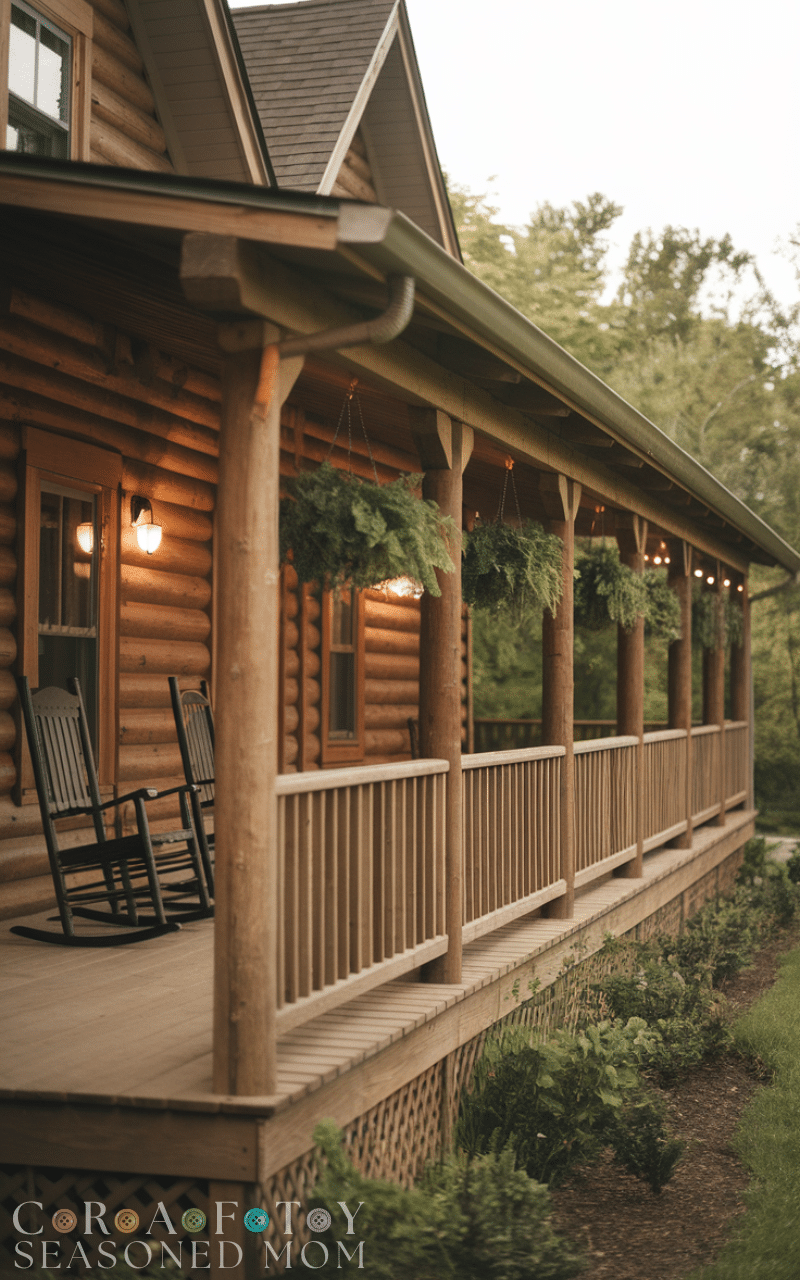
A wraparound porch is a wonderful addition to dogtrot house plans because it creates shade and outdoor enjoyment all around the home. This style is especially useful in regions where protection from direct sunlight is important for keeping indoor temperatures low.
The porch acts as an extra living area where you can dine, read, and relax while feeling the breeze move through the central dogtrot. By adding rocking chairs and hanging plants, you create a slow, relaxing lifestyle inspired by classic Southern homes without increasing construction complexity.
12. Raised Foundation DogTrot Layout
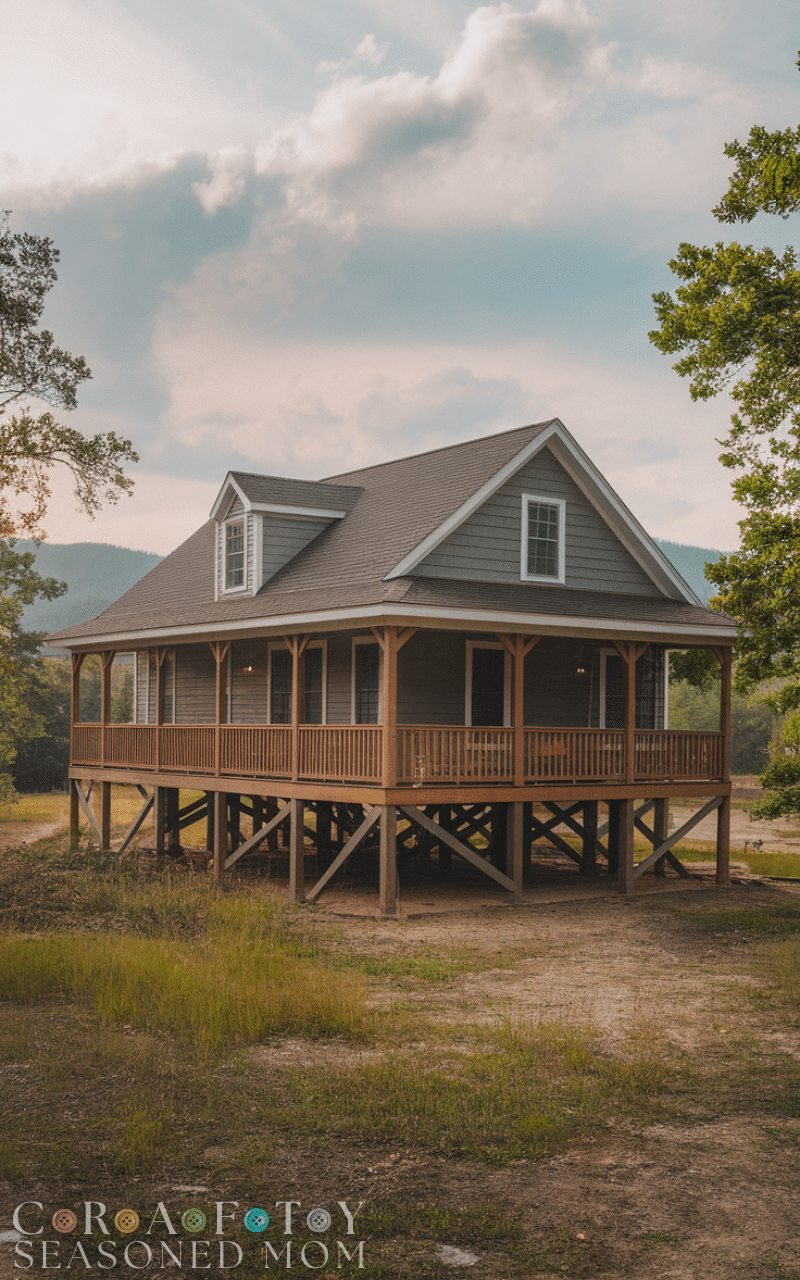
A raised foundation layout is a smart choice because it helps the home stay dry, stable, and cool in areas prone to humidity or uneven ground. The elevated design allows air to flow underneath the house, which helps maintain a comfortable temperature indoors and protects the wood from moisture.
The central breezeway feels even more effective when the home is slightly elevated, catching higher breezes. This layout brings a historical Southern touch that adds character while keeping the home functional and safe, making it ideal for rural landscapes and natural settings.
11. Split Family Living Layout
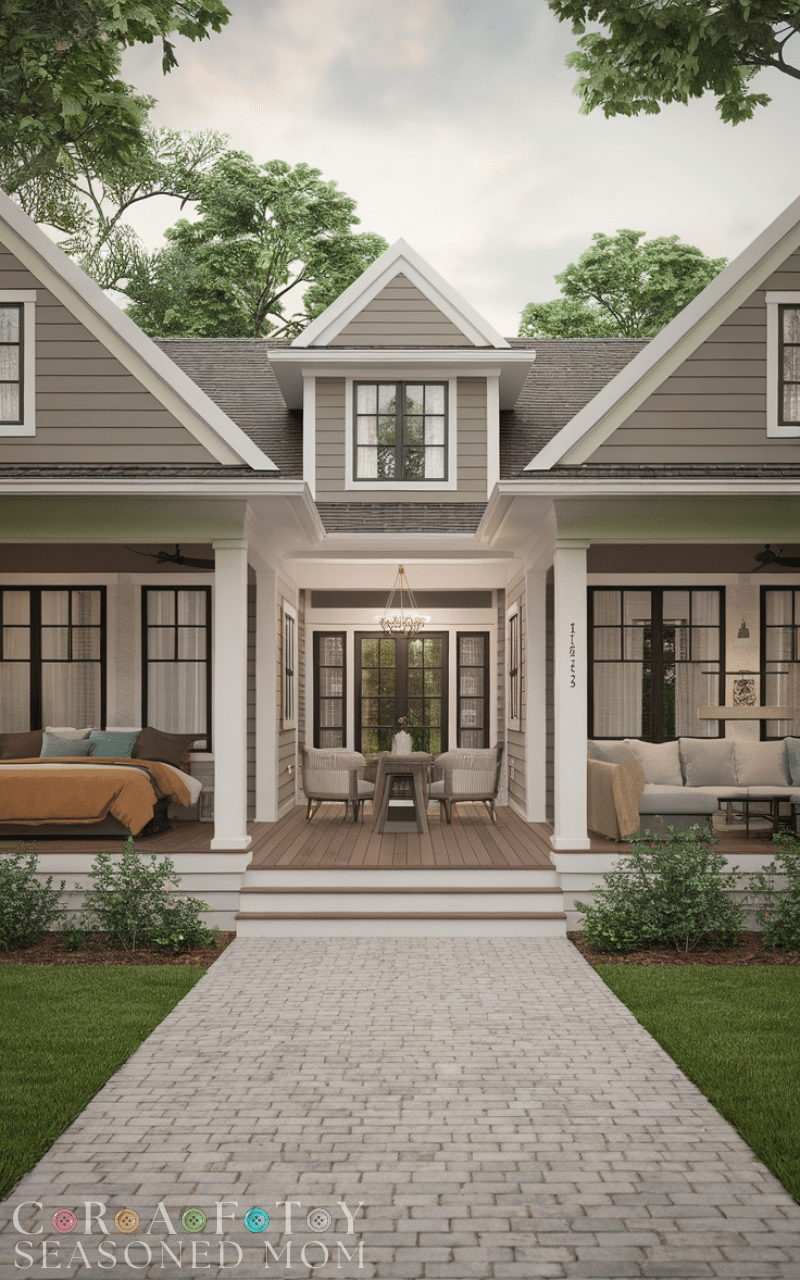
A split family living layout is a practical option because it separates private and shared areas in a natural way while keeping everything connected through the breezeway. One wing can contain bedrooms and quiet offices, while the other wing houses the kitchen, living room, and dining area.
This setup is perfect for families who value privacy yet still want easy access to common social zones. The breezeway becomes a relaxing outdoor hallway that helps reduce noise transfer between wings, creating harmony and balance for everyday living.
10. Small Efficient DogTrot Cabin
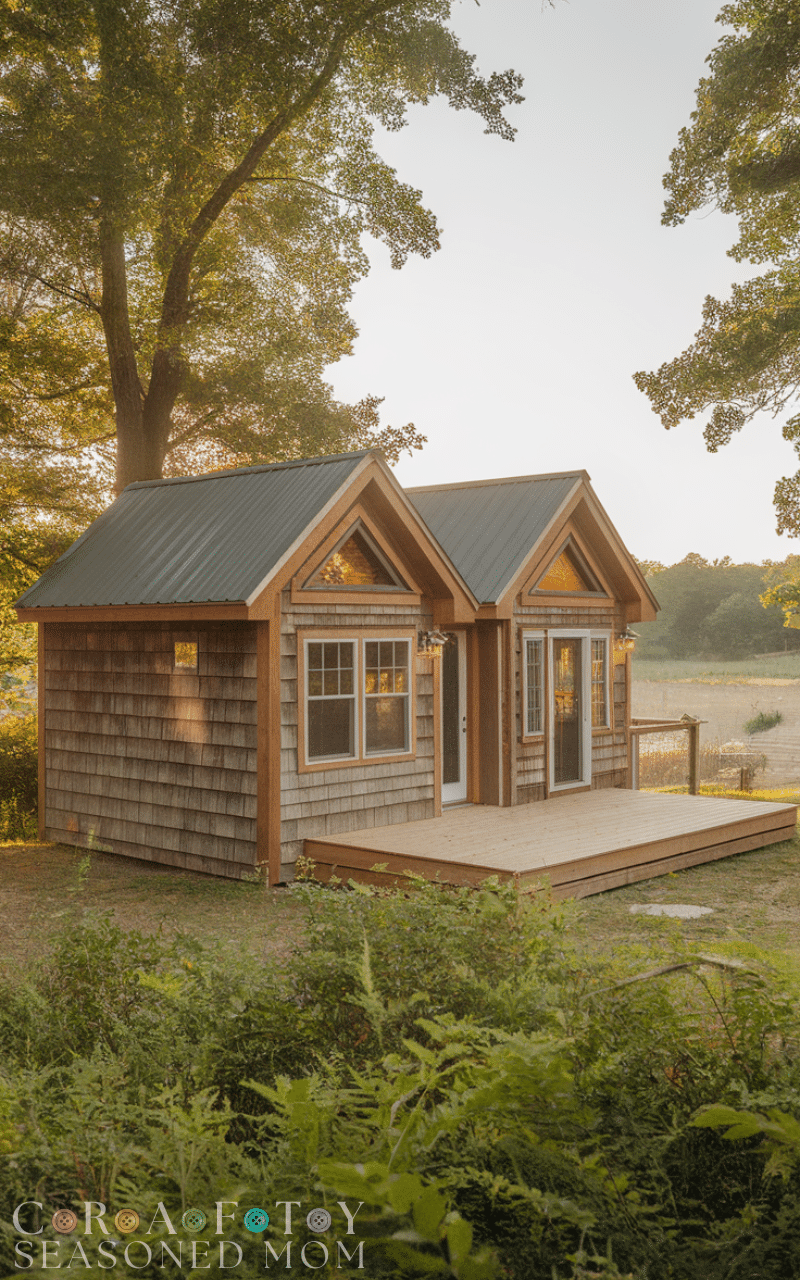
Small, efficient dogtrot cabins are perfect for simple living because they use space wisely and are very easy to maintain. This option works especially well for those who want a vacation home, a rental property, or a minimal lifestyle without sacrificing the feeling of openness.
The two small wings offer just enough room for the essentials, while the breezeway adds significant “breathing room” without a high building cost. These compact plans prove that you can enjoy immense comfort and style even with limited square footage and a modest budget.
9. Dogtrot With Outdoor Kitchen
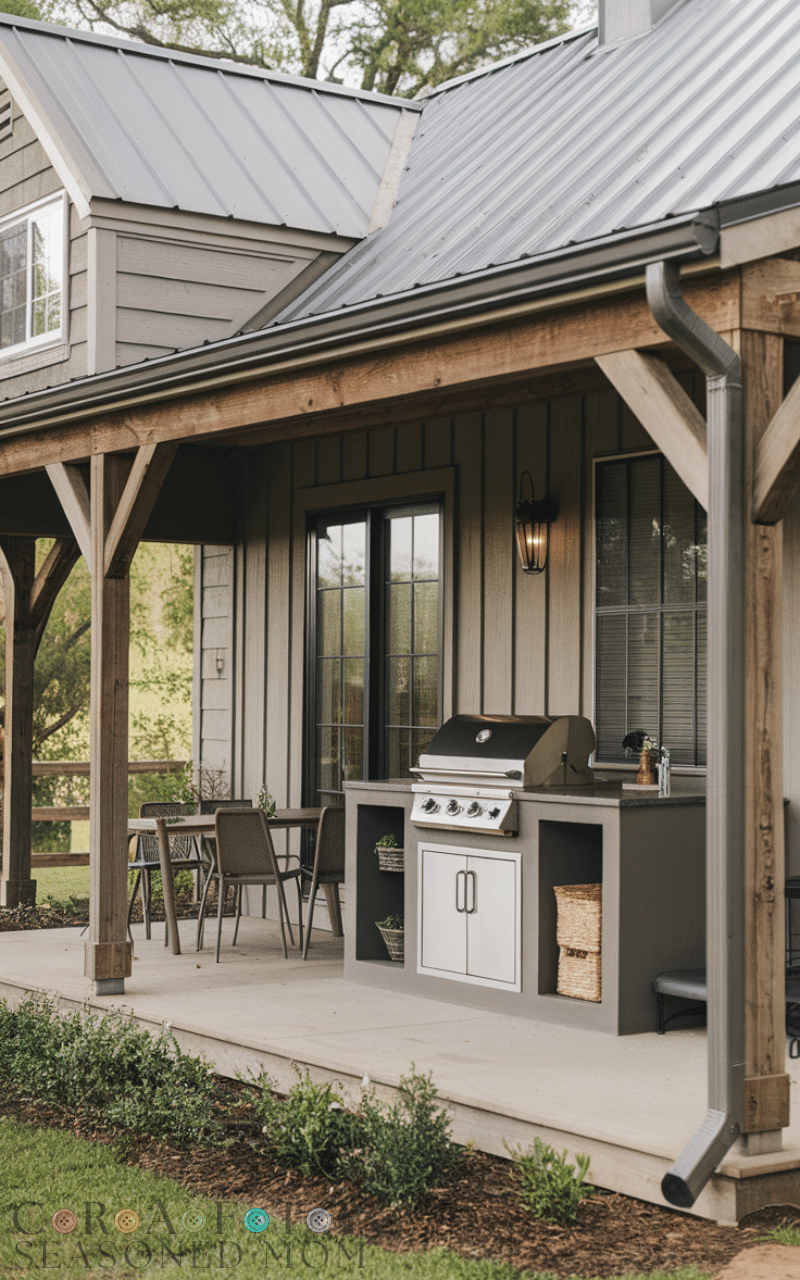
Adding an outdoor kitchen is a functional upgrade that turns the breezeway into a lively gathering area for cooking and entertaining. By installing a grill, counter, and sink in the shaded center, the breezeway becomes the social heart of the home during the warmer months.
This feature supports family celebrations and simple everyday meals while keeping heat and cooking smells out of the main house. Choosing an outdoor kitchen expands your usable living space and adds a layer of creativity for anyone who loves fresh air and food.
8. Dogtrot With Glass Walls
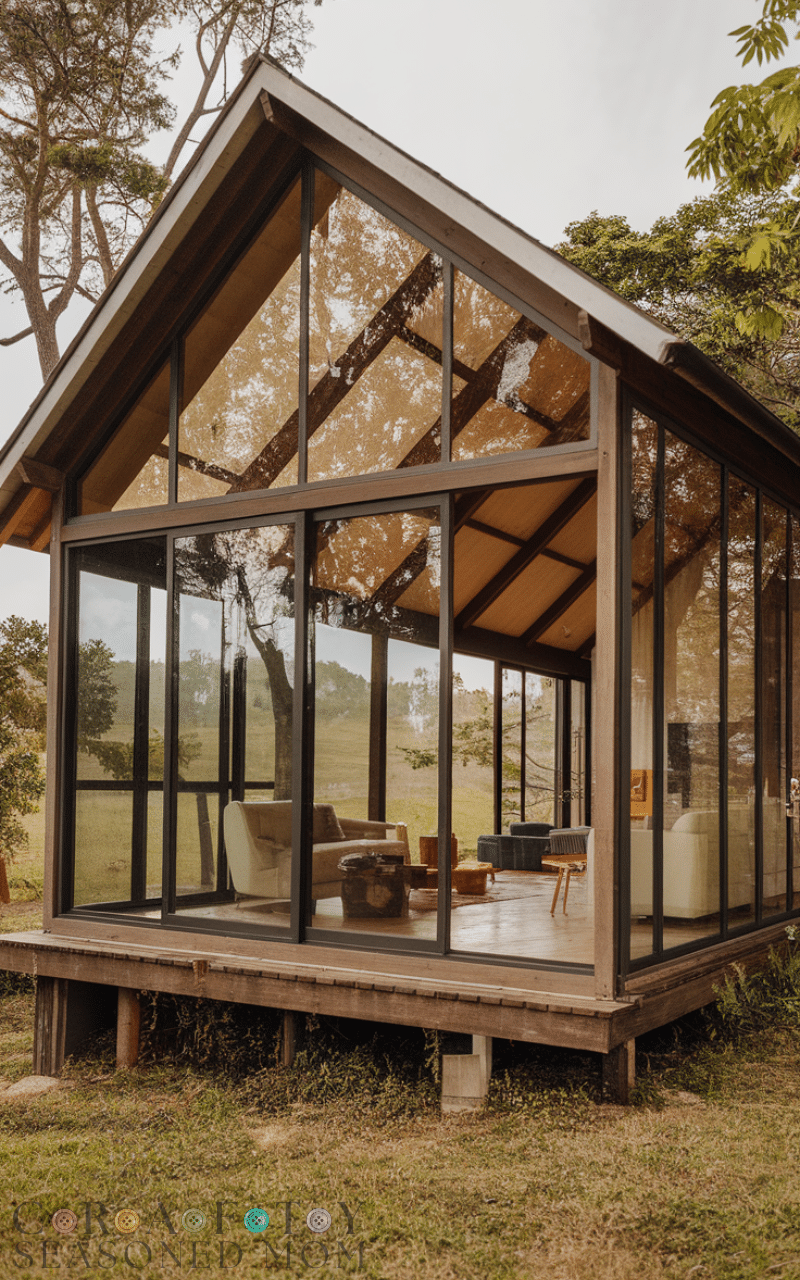
Adding glass walls or large sliding doors is a modern touch that brings in natural light and offers a clear view of the surrounding scenery. This idea makes the home feel incredibly spacious and helps the breezeway look even more inviting by creating a smooth transition between indoors and out.
Glass walls help reduce the visual “heaviness” of the structure, making it feel like a pavilion in the woods. This design works beautifully for lake houses or open landscapes, bringing a sense of elegance and natural beauty to the traditional dogtrot form.
7. Dogtrot House With Loft Space
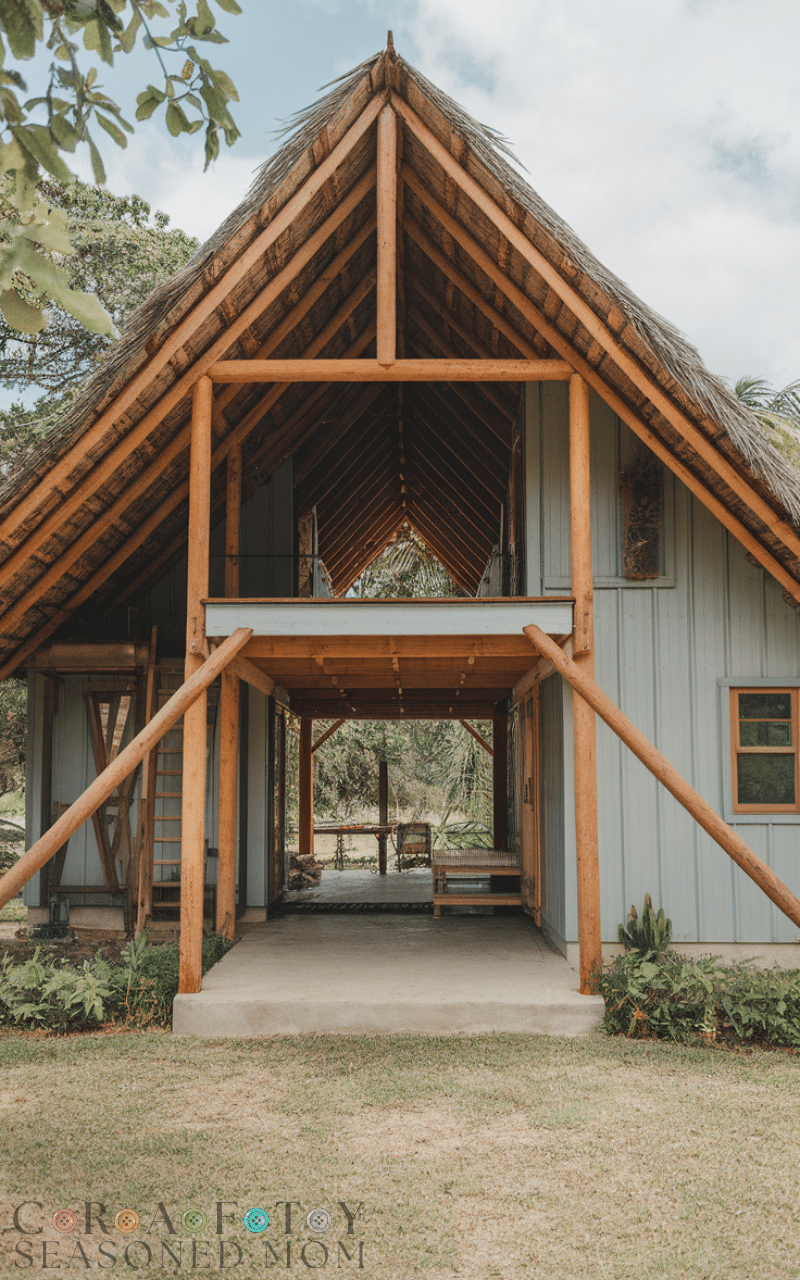
A loft is a creative addition that uses vertical space to offer extra sleeping areas or workspaces without expanding the home’s footprint. The loft usually sits above one wing, providing a cozy, elevated feeling while keeping the downstairs area open and connected.
This makes the home feel larger and more flexible, which is especially helpful for hosting guests in a smaller cabin. The breezeway still provides excellent air movement below, while the loft provides a sense of privacy and charm for those sleeping upstairs.
6. Dogtrot House With Solar Features
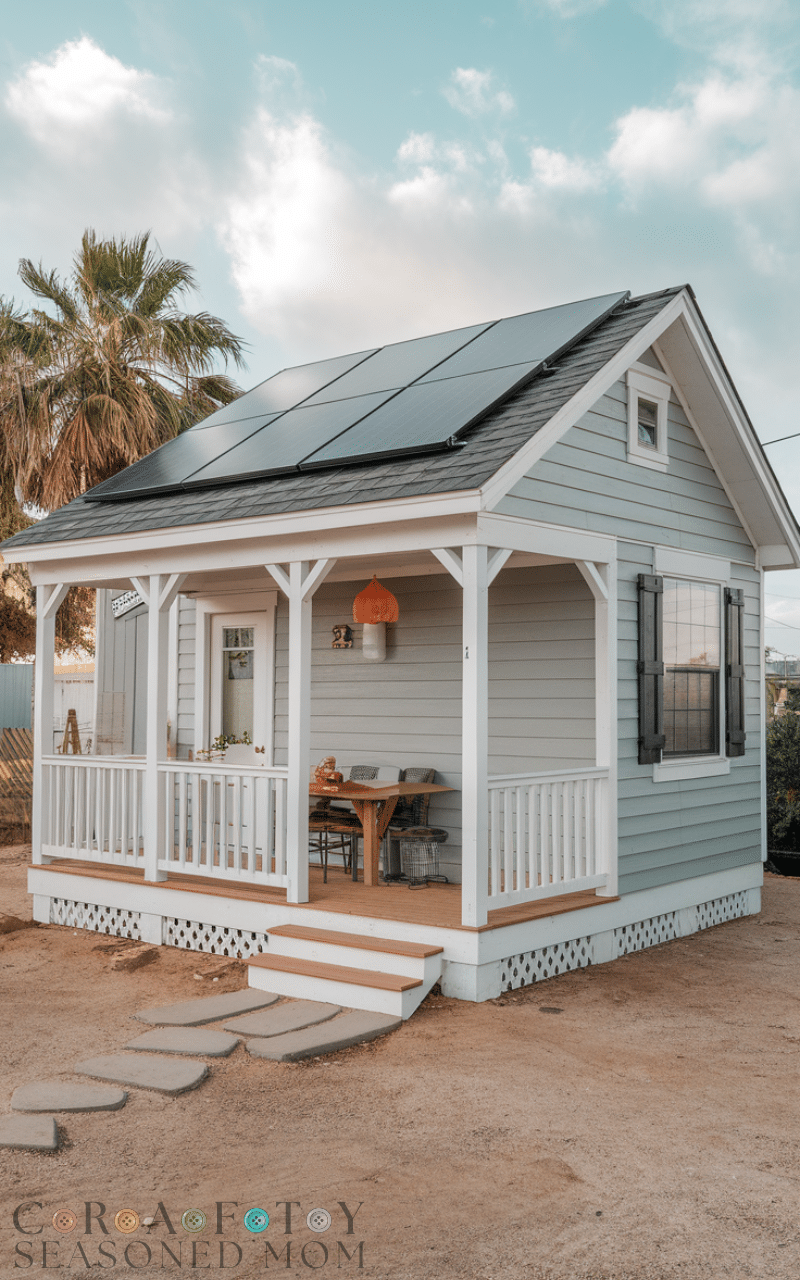
Solar features are a smart addition because they combine natural passive cooling with active clean energy for maximum efficiency. Since the roofline of a dogtrot home is usually long and simple, installing solar panels is easy and highly effective for harvesting the sun’s power.
The breezeway already reduces the need for air conditioning, so adding solar water heaters further increases your sustainability. This layout creates a future-friendly home that is both eco-conscious and highly affordable to operate over the long term.
5. L Shaped Dogtrot Variation
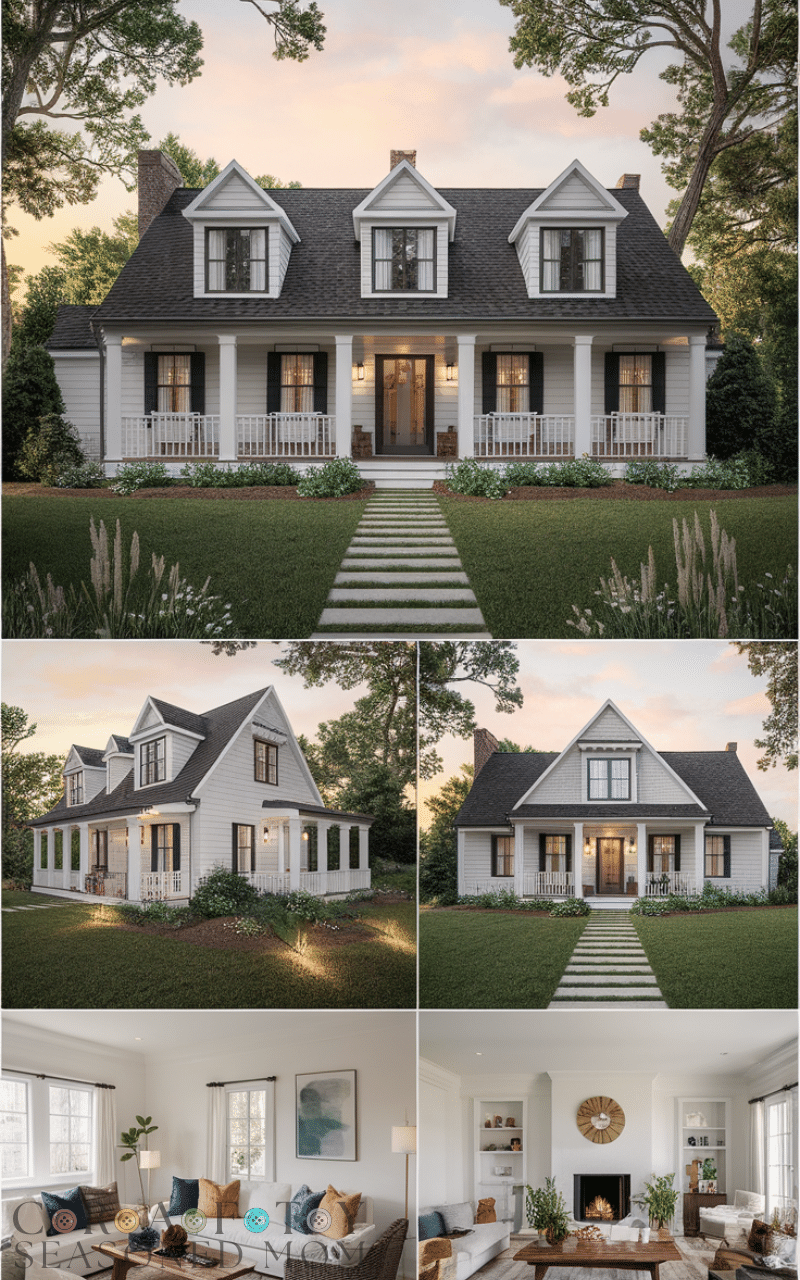
An L-shaped variation is a unique twist that adds privacy and shelter while maintaining the breezeway connection. This layout allows the outdoor space to feel more protected from heavy winds, creating a perfect nook for a private garden or a patio.
The L-shape makes it easy to organize the property, keeping bedrooms tucked away in one wing and social spaces in the other. This approach balances traditional cooling with modern architectural flexibility, working well for properties with non-rectangular shapes.
4. Dogtrot With Dual Porches
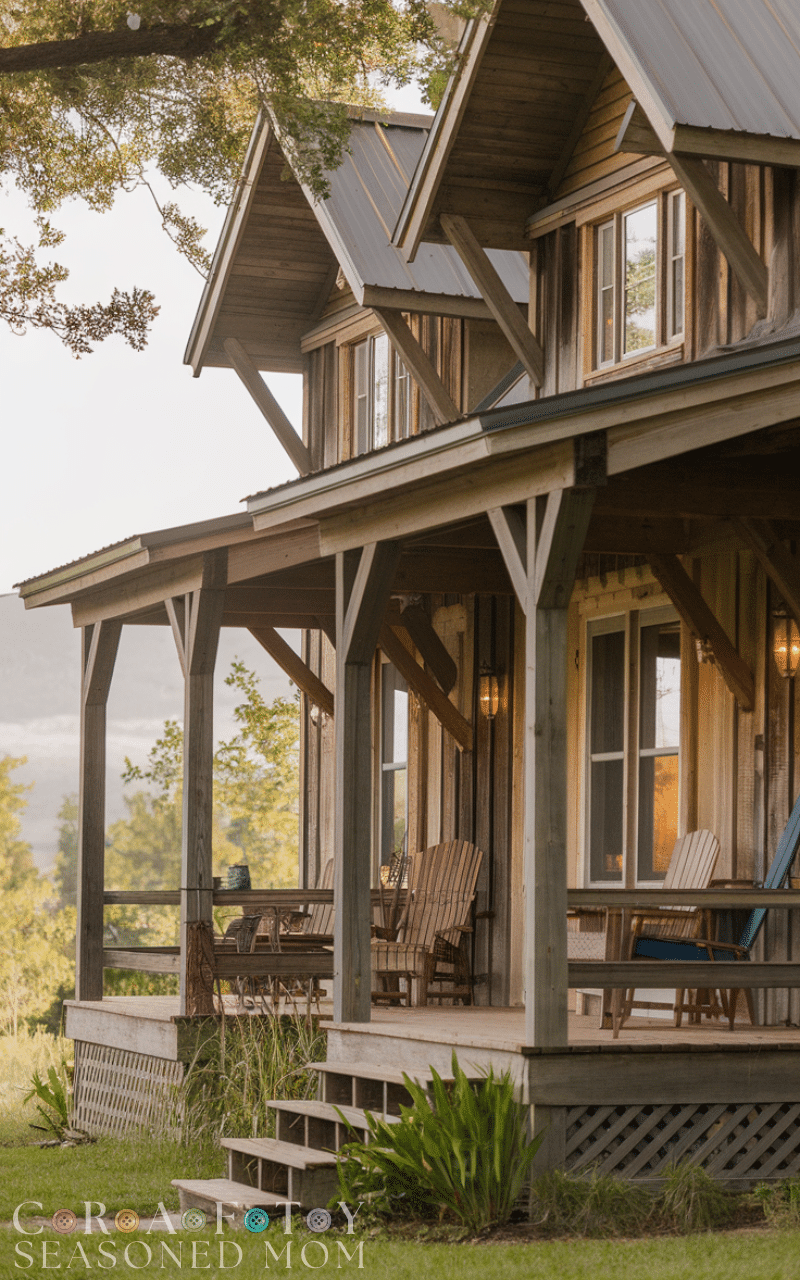
Dual porches are a fantastic upgrade because they allow you to enjoy the outdoors from both the front and the back of the home. The airflow becomes even stronger when both sides of the breezeway open onto covered porches, maximizing the home’s ability to cool itself naturally.
These porches add significant square footage for reading, eating, or gathering with family in the shade. This design is perfect for scenic properties where you want to capture multiple views while increasing your overall outdoor comfort and enjoyment.
3. Dogtrot Home With Guest Wing
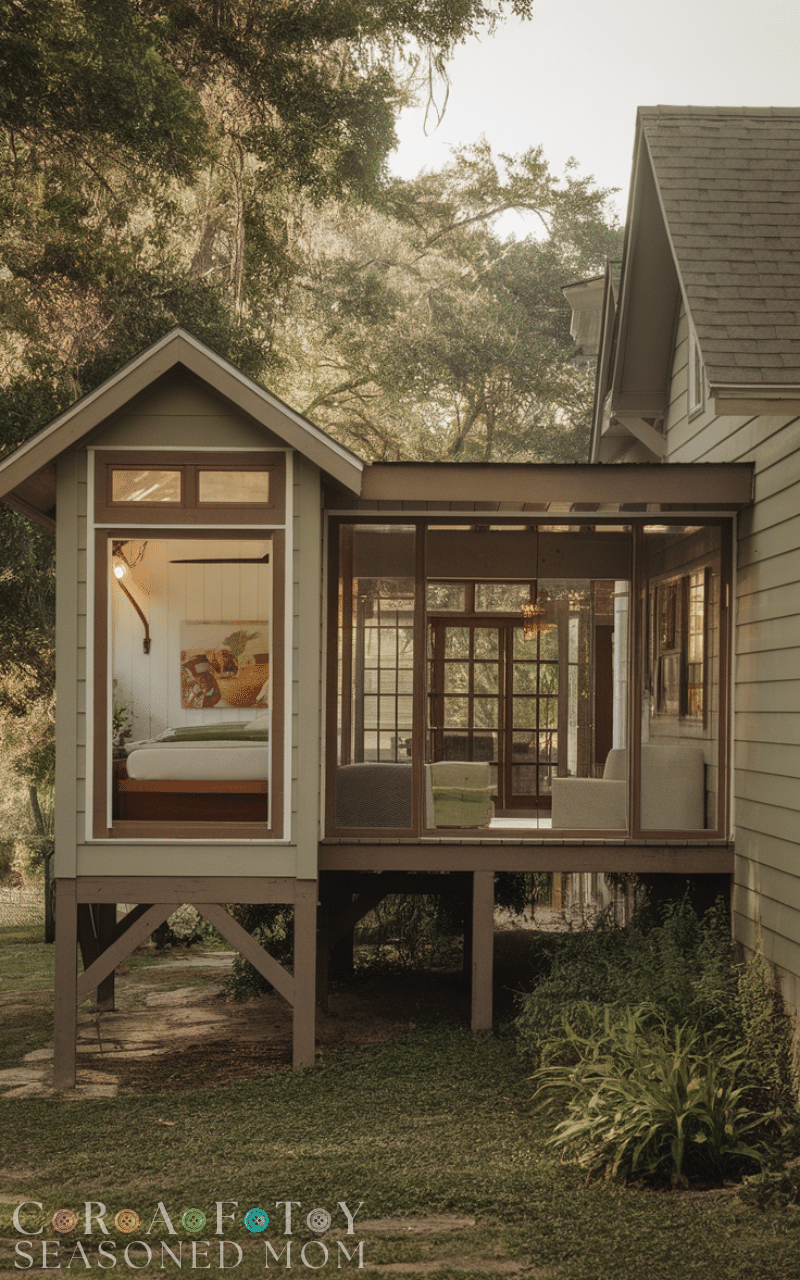
Adding a guest wing is a thoughtful way to give visitors their own independent space while keeping the main family area private. The breezeway acts as a natural buffer, offering a sense of connection when you want it and independence when you don’t.
The guest wing can include its own small bathroom and sitting area, making it perfect for hosting relatives or vacation renters. This design supports hospitality and flexibility while staying true to the classic dogtrot structure of two distinct halves.
2. Large Family Dogtrot Layout
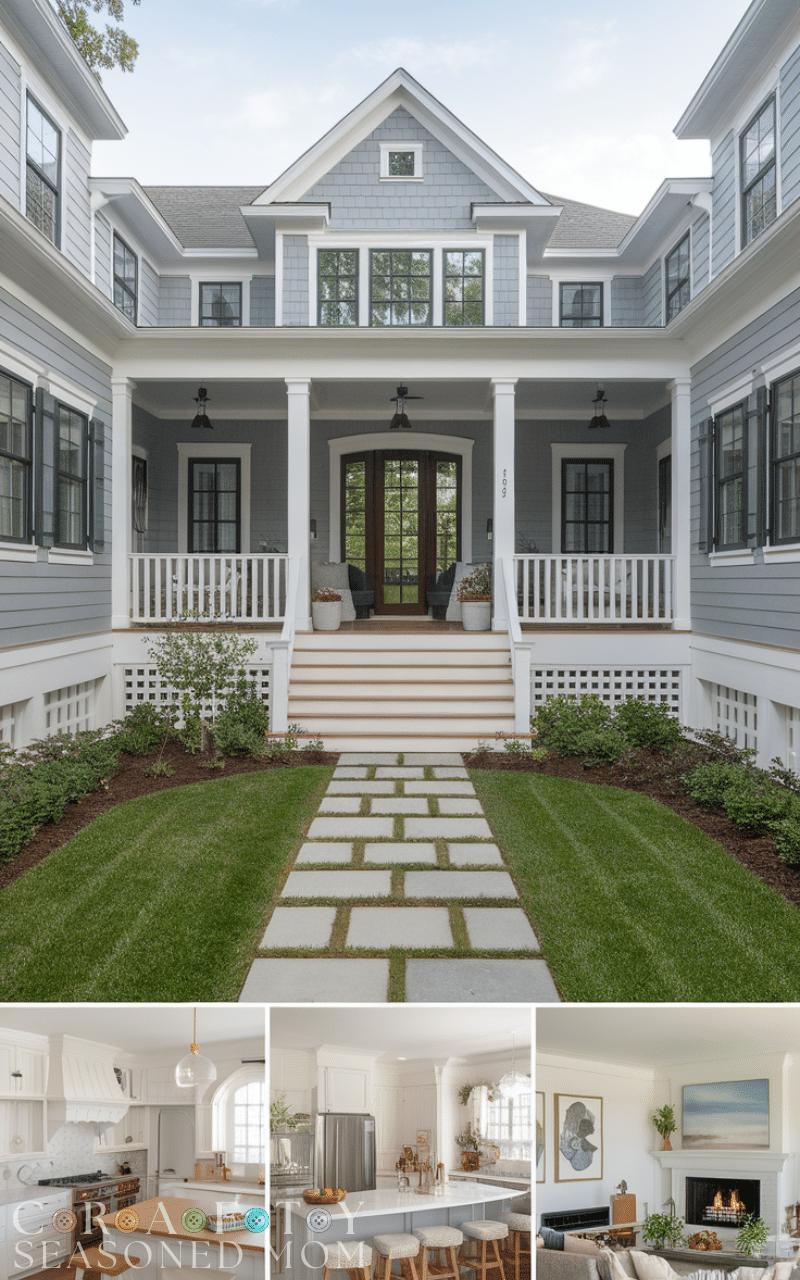
A large family layout divides the home into functional zones that serve different needs while keeping everyone bound together by the central breezeway. One wing can hold multiple bedrooms and playrooms, while the other wing handles the high-traffic cooking and living activities.
This approach keeps the home organized and peaceful because the noisy social zones are physically separated from the quiet sleeping zones. The breezeway serves as the heart of the home where the family meets throughout the day to enjoy the fresh air.
1. Classic Traditional Dogtrot Layout
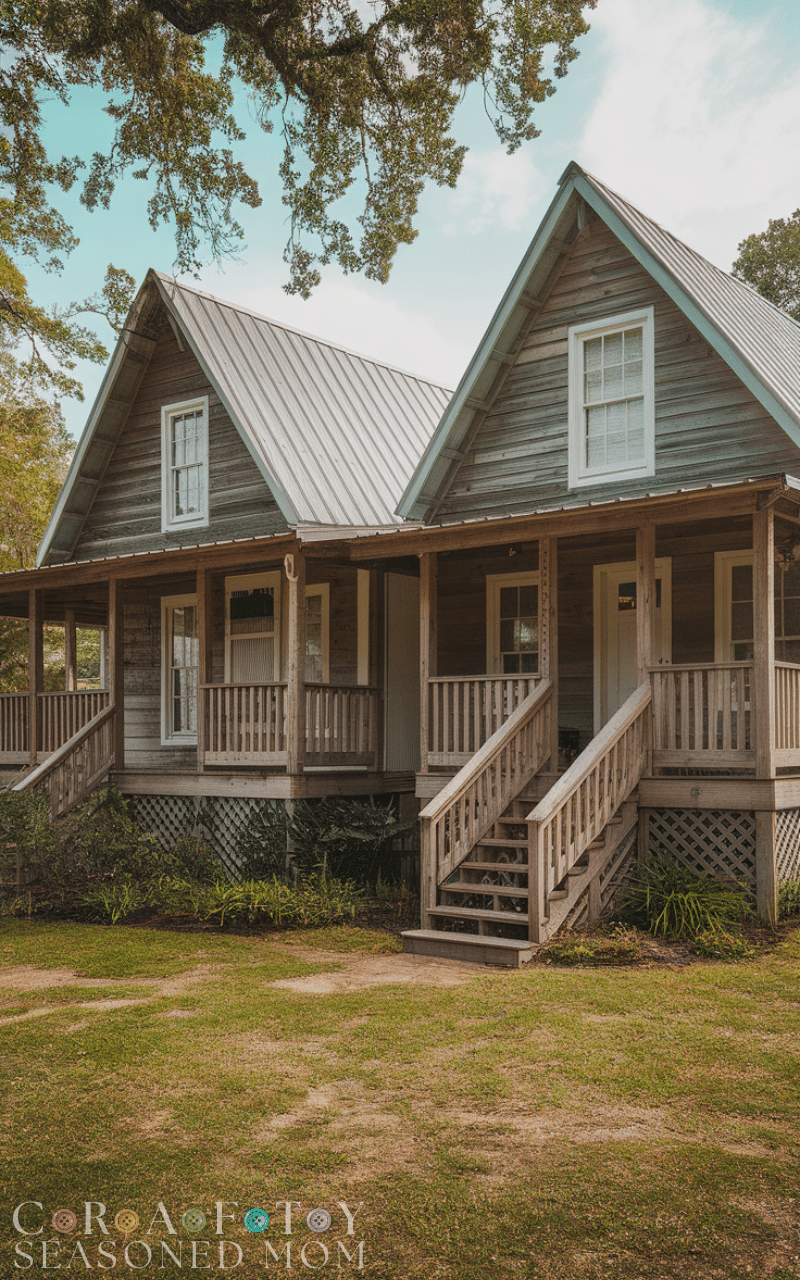
The classic traditional layout remains the most loved choice because it carries the original charm and natural cooling benefits of the 19th century. The home is split into two equal sections with a breezeway in the center, providing the most authentic and efficient airflow possible.
This design supports affordable construction and a timeless look that fits beautifully into rural farmland or wooded lots. Choosing the classic style gives your property a sense of history and harmony with nature that modern, closed-box homes simply cannot match.
Conclusion
Dogtrot house plans offer a refreshing and practical way to design a home that remains cool, comfortable, and deeply connected to the environment. These ideas prove that traditional wisdom, when paired with modern touches, creates a living space full of charm and ease.
