

After recently posting my article on effective dog training commands, I received a deluge of DMs about common pitfalls, inspiring me to address them directly. This led to my current problem: I believe I’ve made one of the most common dog training mistakes by accidentally reinforcing a poor behavior in my rescue dog, Pickles.
When the new neighbors put up a trampoline next to my fence, Pickles started barking and jumping whenever their children played. To minimize the nuisance, I began rewarding him with a high-value “special treat” immediately after he recalled and came inside. Now, I suspect he has learned that if he starts barking at the fence, he gets the reward, leading him to bark even when the yard is quiet.
My accidental reinforcement created a pattern that a clever dog like Pickles could easily exploit and make my whole adventure more easier. The consensus among trainers is that while I’m doing the right thing by rewarding the prompt recall, the reward is happening too close to the undesirable barking behavior.
The way to fix this common dog training mistake is not to withhold the reward when the kids are playing that would be unfair but to break the perceived chain of events that Pickles has linked together. I need to be much more precise, only rewarding the desired action (the prompt recall). I must also address the antecedent: the trampoline noise.
My perfect solution is a multi-step training correction focusing on both the recall and the trigger because they are the important commands. First, I need to check outside before calling him in to ensure I am only rewarding the recall when the children are actively playing.
Second, and most importantly, I must generalize the recall by practicing it frequently (and with varied, lower-value rewards to protect his delicate stomach) when he is not barking or looking at the fence.
Finally, to address the trigger, I will employ the engage/disengage method: when I hear the girls outside before Pickles reacts, I will immediately say “good dog!” and give him a treat, teaching him to associate the trampoline noise with a positive outcome, thus eliminating the need to bark in the first place.
14. Starting Training Too Late

One of the common dog training mistakes is waiting too long before teaching your dog basic behaviors. Early training helps build good habits from the start and makes learning easier for both you and your dog, as younger animals are like sponges for new information.
When you begin early, your dog understands boundaries and routines much faster, which helps you avoid frustration as they grow stronger and more independent. Starting early does not mean being strict; simple guidance and gentle practice are enough to set a foundation that prevents problems like pulling, barking, or jumping later on.
13. Being Inconsistent
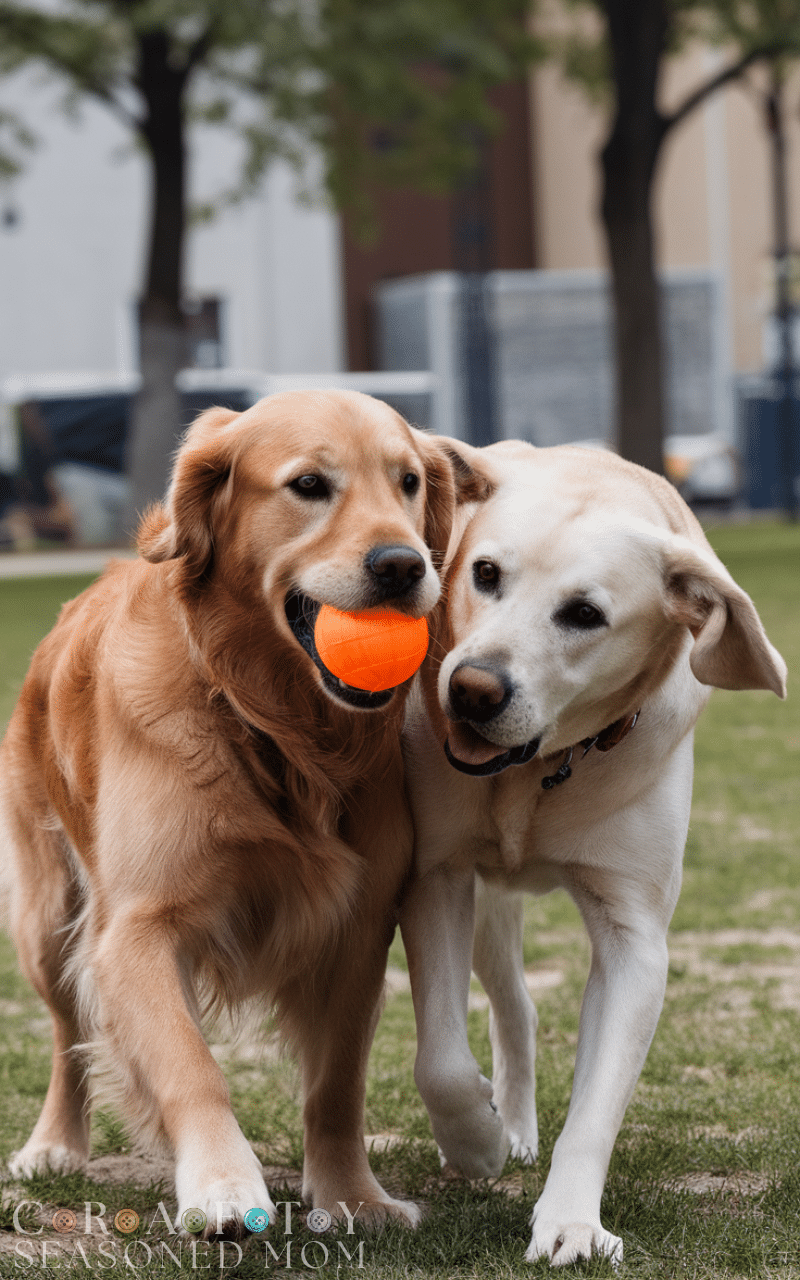
Another common dog training mistake to avoid is being inconsistent, as dogs learn best when the rules stay the same every day. When you change instructions or allow a behavior sometimes but stop it others, your dog gets confused and loses the ability to understand what you truly want.
Staying consistent makes learning faster and helps your dog feel secure and confident in their environment. You can maintain a simple routine by using the same words and actions in the same situations, which builds the strong habits necessary for calm and clear communication.
12. Using Harsh Punishment
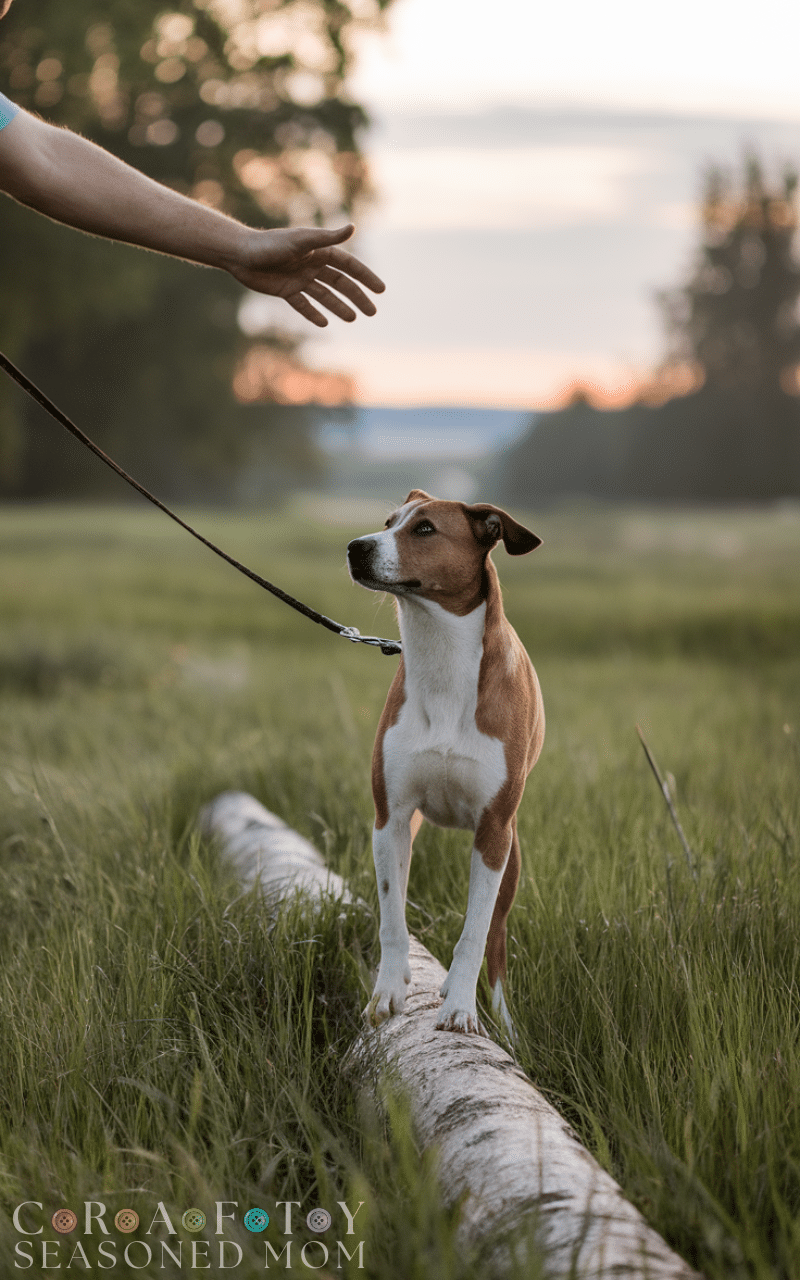
Using harsh punishment is a major mistake because it damages trust and makes your dog fearful or confused. Instead of learning the “right” way to behave, your dog becomes anxious and may even begin to act out more aggressively or defensively.
Gentle correction combined with positive reinforcement works much better, creating a safe environment where your dog actually wants to learn. By guiding your dog with calm signals and rewards, you encourage good behavior without the need for fear, making this an essential mindset for successful training.
11. Training for Long Periods
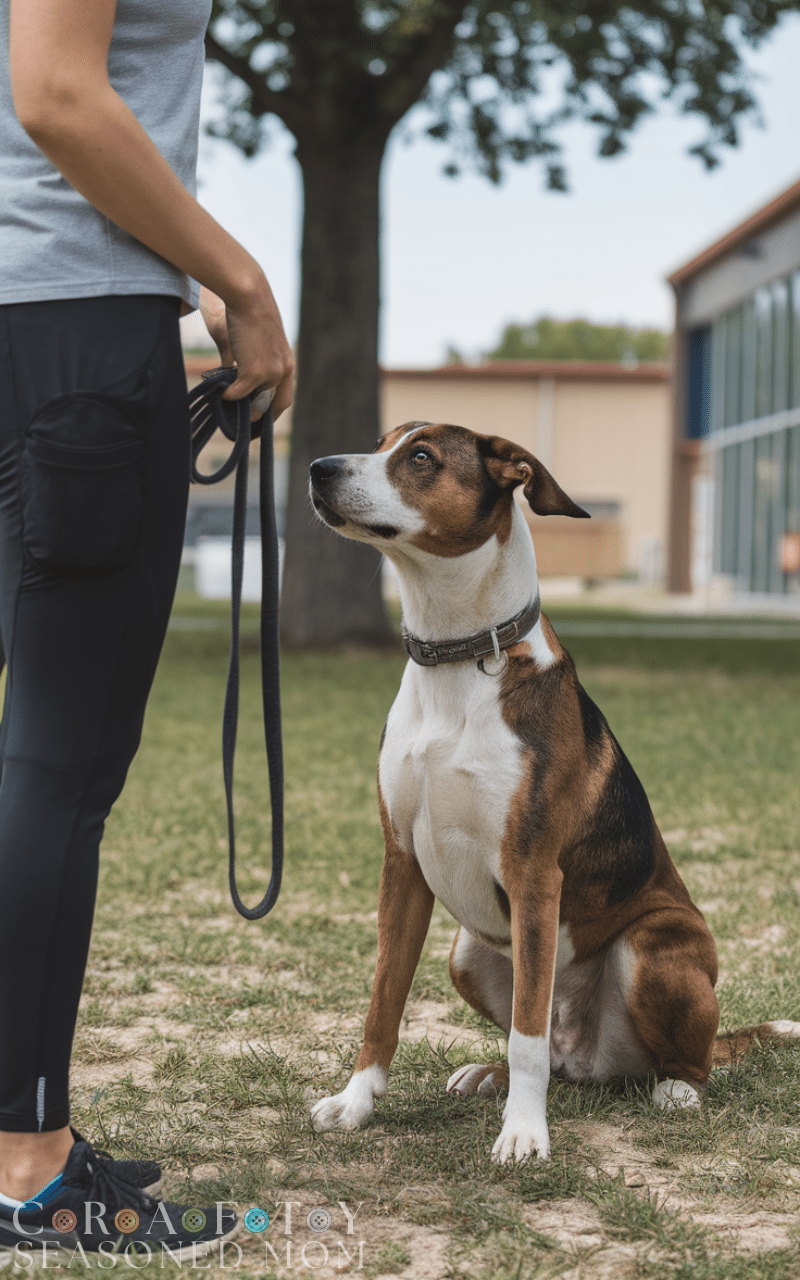
A very frequent mistake is training for long periods, whereas dogs actually learn best in short, high-energy bursts. Long sessions make them tired and distracted, which can lead to stress and a total loss of interest in the task at hand.
When you keep training sessions short and enjoyable—usually five to ten minutes—your dog stays excited and retains information better. Simple daily practice in small steps works far better than intense marathons, ensuring easy success for both the trainer and the pet.
10. Ignoring Exercise Needs
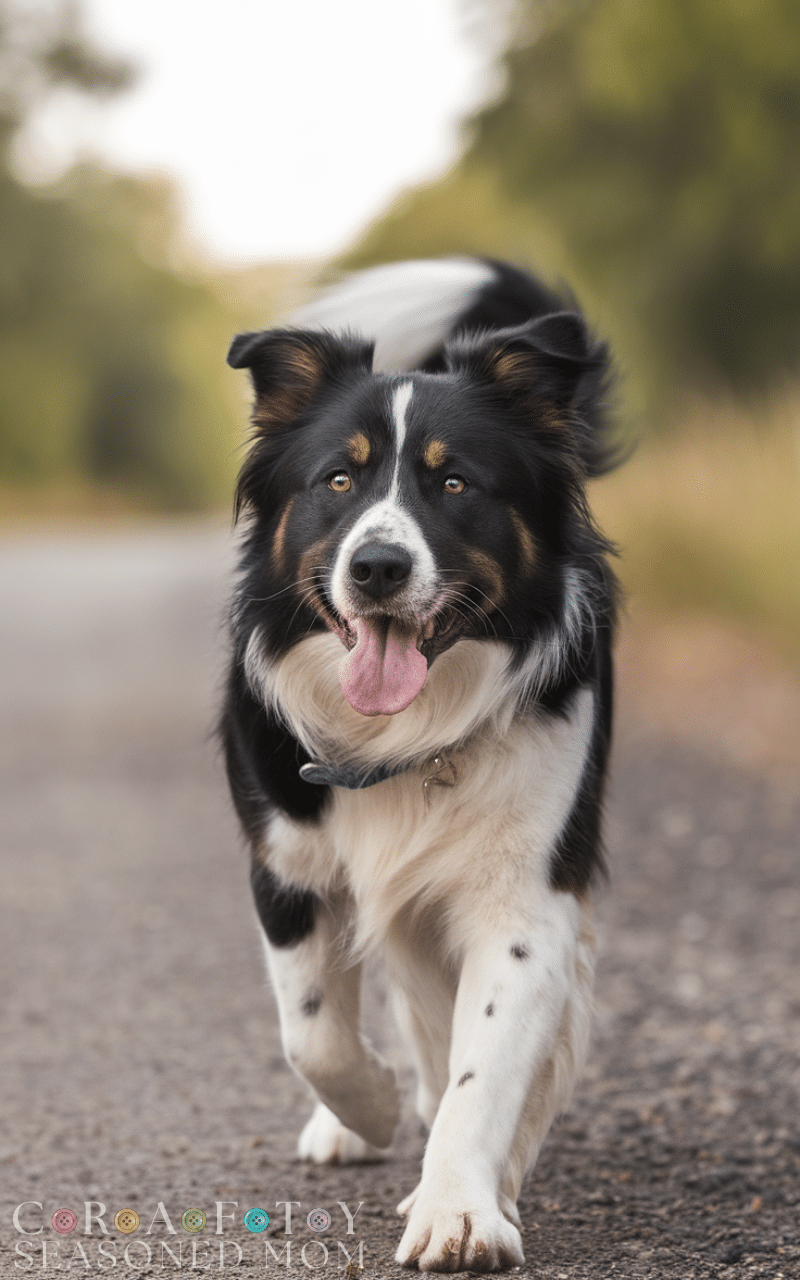
Ignoring exercise needs is a hurdle because a dog with too much pent-up energy will always struggle to focus and listen. When your dog gets enough physical movement, they feel satisfied and are much more mentally prepared to sit still and learn.
Simple walks and interactive playtime make a huge difference in their ability to release energy in a healthy way. Training becomes much easier when your dog is physically balanced, as it supports better results and much smoother communication during your lessons.
9. Skipping Socialization
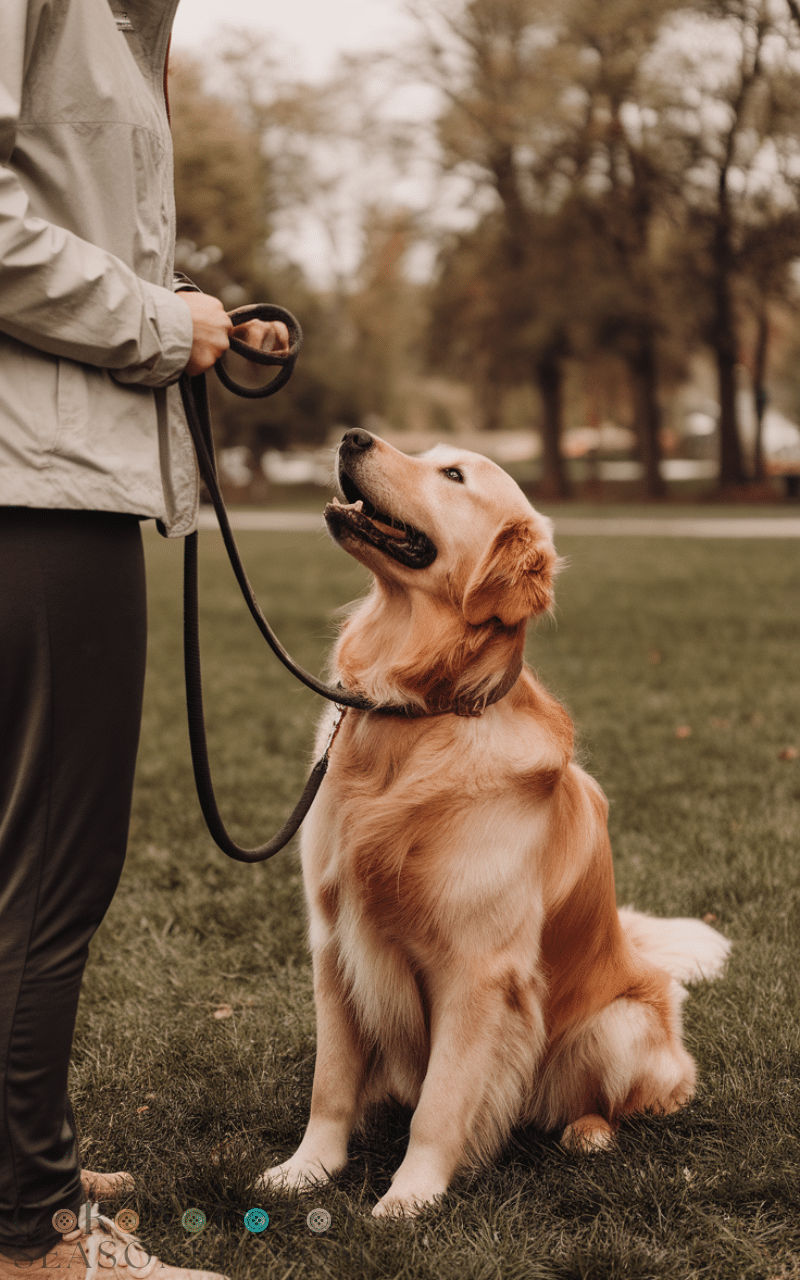
Skipping socialization is a mistake because dogs need to meet a variety of people, animals, and environments to grow into confident adults. Avoiding this step often leads to fear-based reactivity or aggression toward new sights and sounds.
Gentle, controlled exposure helps your dog build comfort and learn how to navigate different social situations gracefully. Socialization should be slow and positive, and it doesn’t need to be expensive; avoiding this mistake early on helps your dog develop the social skills that support their entire training journey.
8. Using Too Many Words
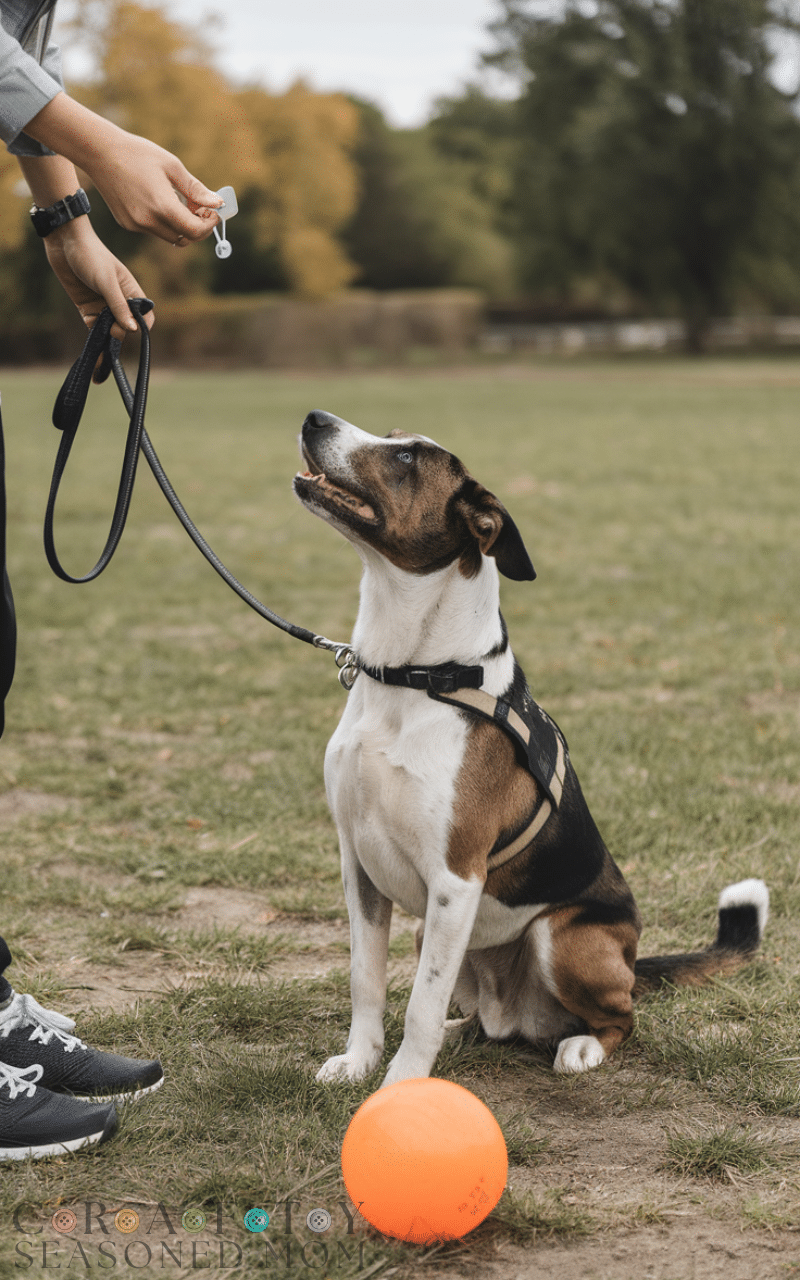
Many owners use too many words, but dogs respond much better to short, distinct cues. Long, conversational phrases often confuse them and make the training process slower than it needs to be.
When you choose simple, one-word cues and repeat them consistently, your dog understands the command much more easily. This method makes training fast and effective while avoiding the frustration of miscommunication, and it requires no extra effort or money to implement.
7. Not Rewarding Enough
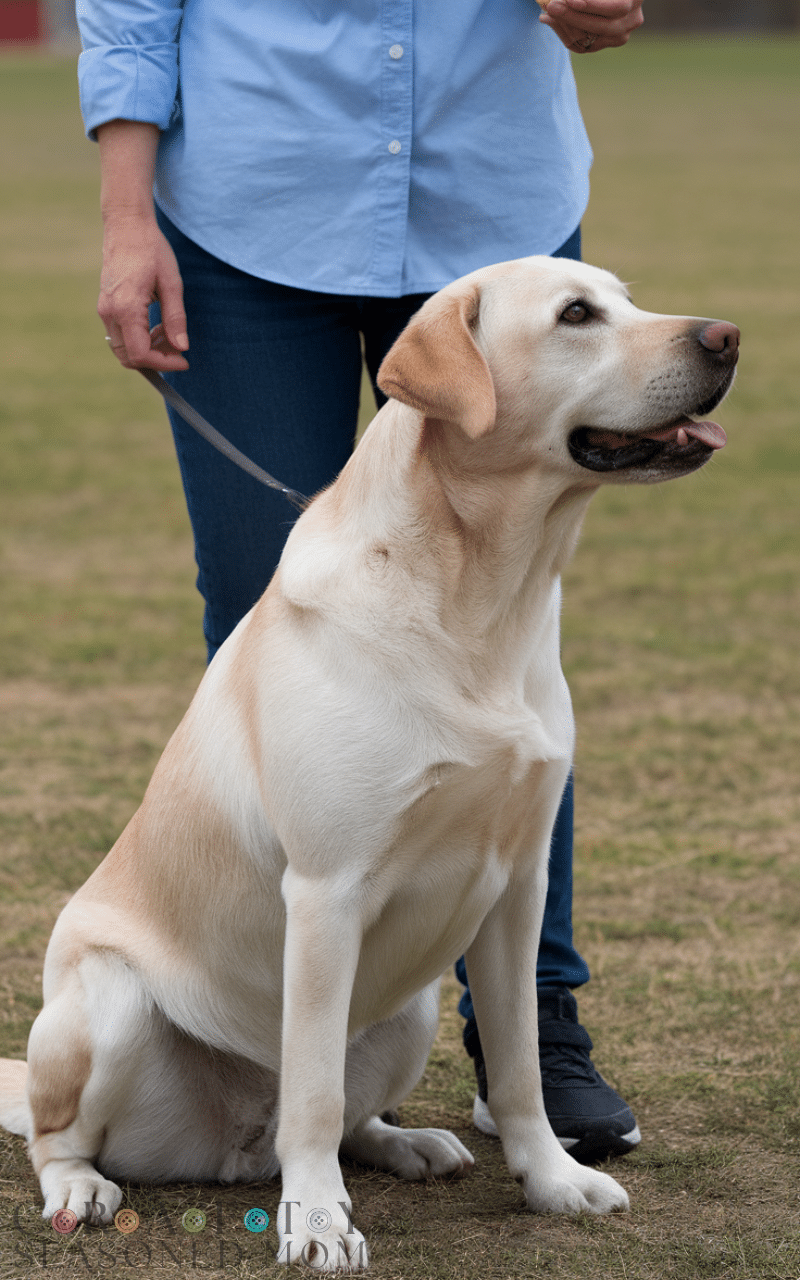
Not rewarding enough is a common pitfall because rewards are the primary way a dog understands which behavior is correct. When rewards are rare or unpredictable, your dog becomes unsure of themselves and quickly loses the motivation to work.
Frequent praise and treats keep training sessions exciting and clear for the animal. Rewards do not need to be expensive; even enthusiastic words, physical affection, or a quick game of tug count as high-value prizes that make the training journey more enjoyable for both of you.
6. Training Only Indoors
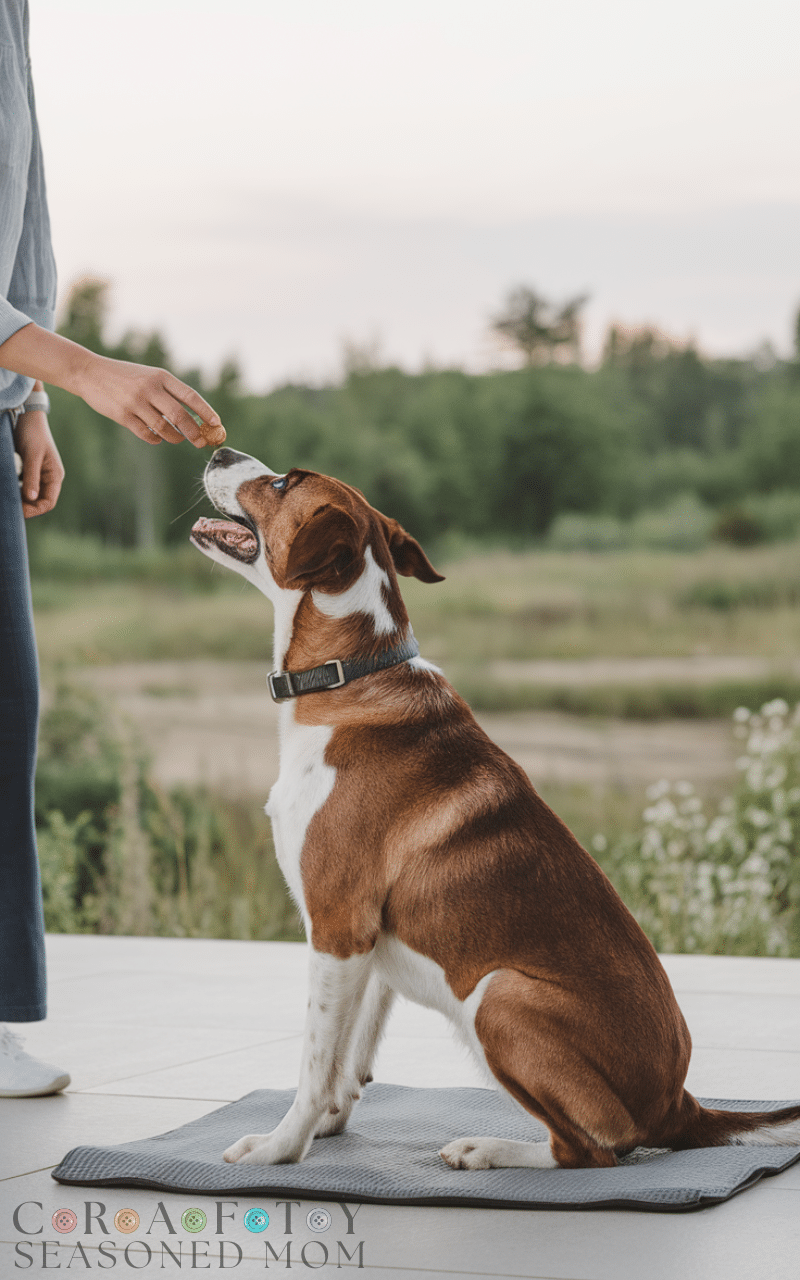
Training exclusively indoors can lead to a dog that only listens when they are at home. Dogs need to practice their behaviors in different places because they don’t always realize that “sit” means the same thing in a busy park as it does in a quiet living room.
Practicing on sidewalks or in calm outdoor spaces helps your dog learn to manage distractions and build reliability. Outdoor training doesn’t need to be difficult, but it is essential for building a well-balanced and responsive dog that listens in any environment.
5. Expecting Fast Results
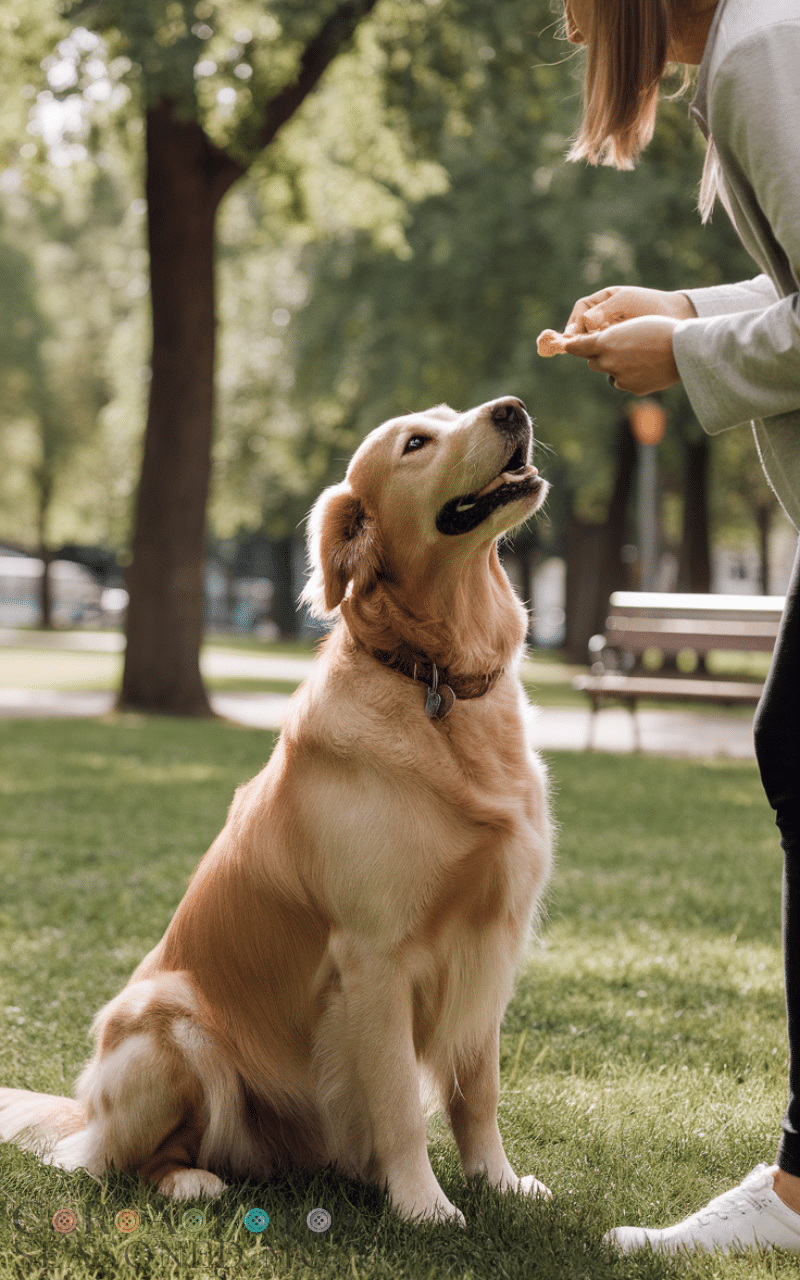
Expecting fast results can lead to a lot of unnecessary pressure, as every dog learns at a different pace. Rushing the process creates stress for the dog and disappointment for the owner, which can ruin the positive atmosphere needed for growth.
Patient, steady practice is always more effective than trying to force quick progress. Small achievements eventually grow into solid skills, and taking your time helps your dog feel safe and eager to continue their education without the fear of failure.
4. Forgetting Mental Stimulation
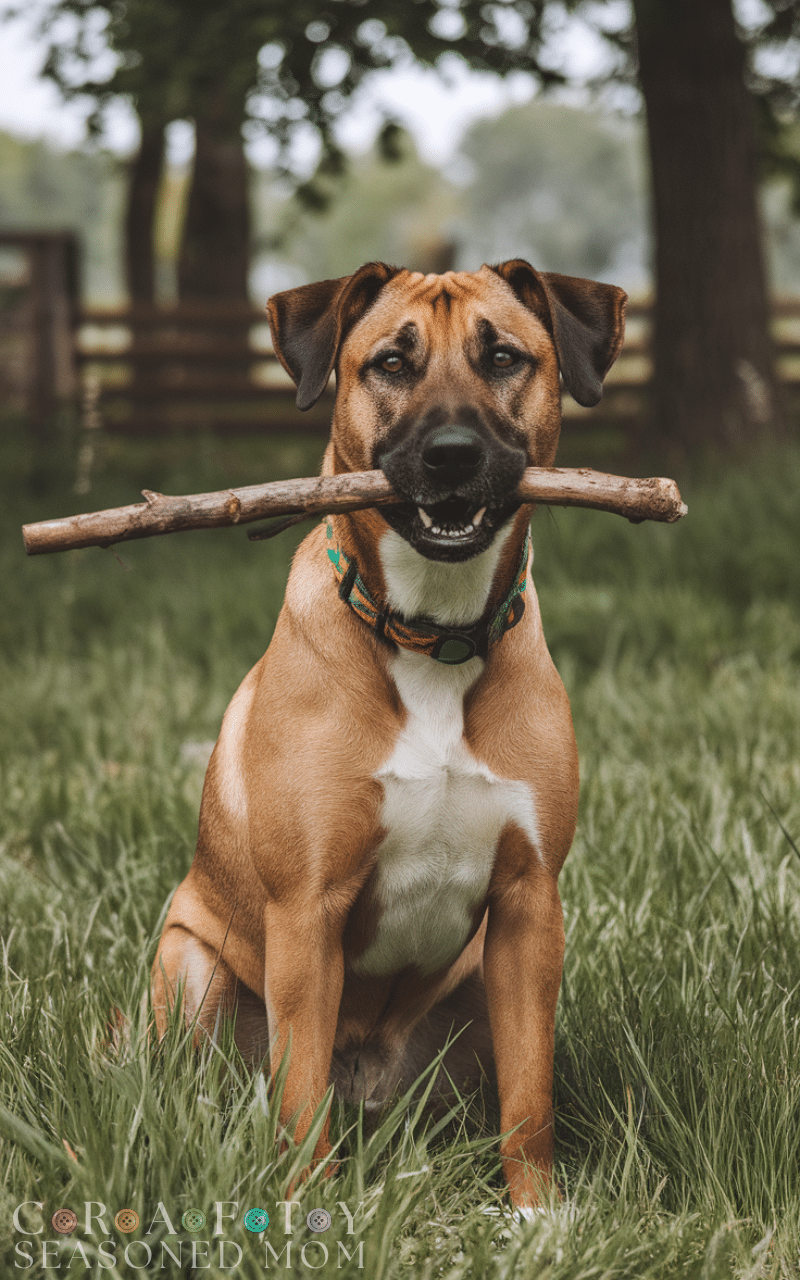
Forgetting mental stimulation is a mistake because dogs need brain activity just as much as they need physical exercise. Without mental engagement, dogs often become bored, restless, or even destructive as they try to find their own “work” to do.
Adding simple puzzles, scent games, or “find it” exercises keeps your dog motivated and sharp. It makes formal training easier because your dog stays focused and calm, and you can easily use homemade toys to keep these brain games budget-friendly.
3. Not Setting Clear Boundaries
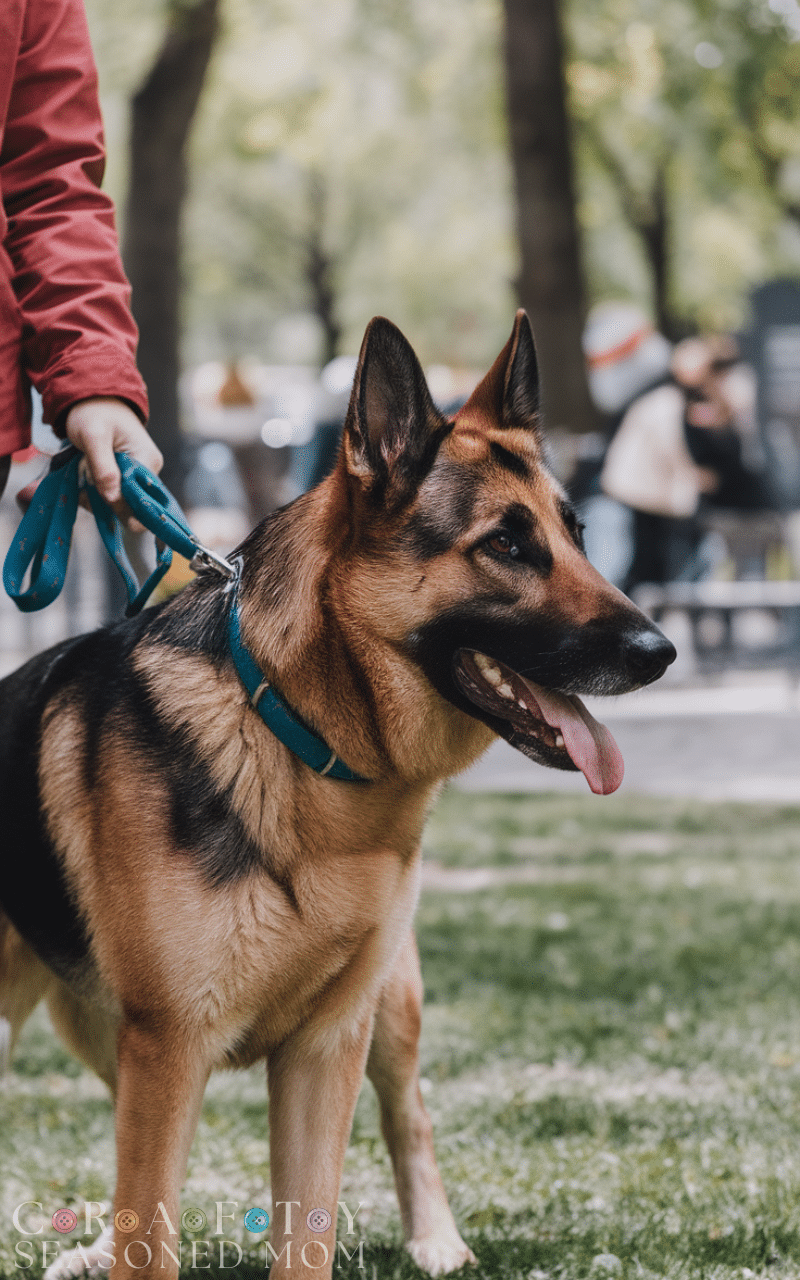
Not setting clear boundaries causes confusion because dogs thrive when they understand exactly what is allowed and what is forbidden. When rules are unclear or change based on the owner’s mood, the dog struggles to find their place in the “pack.”
Simple, consistent boundaries help your dog feel secure and build a deeper sense of trust in your leadership. This makes training more enjoyable and improves overall behavior, as the dog no longer has to guess how they should act in specific situations.
2. Ignoring Body Language
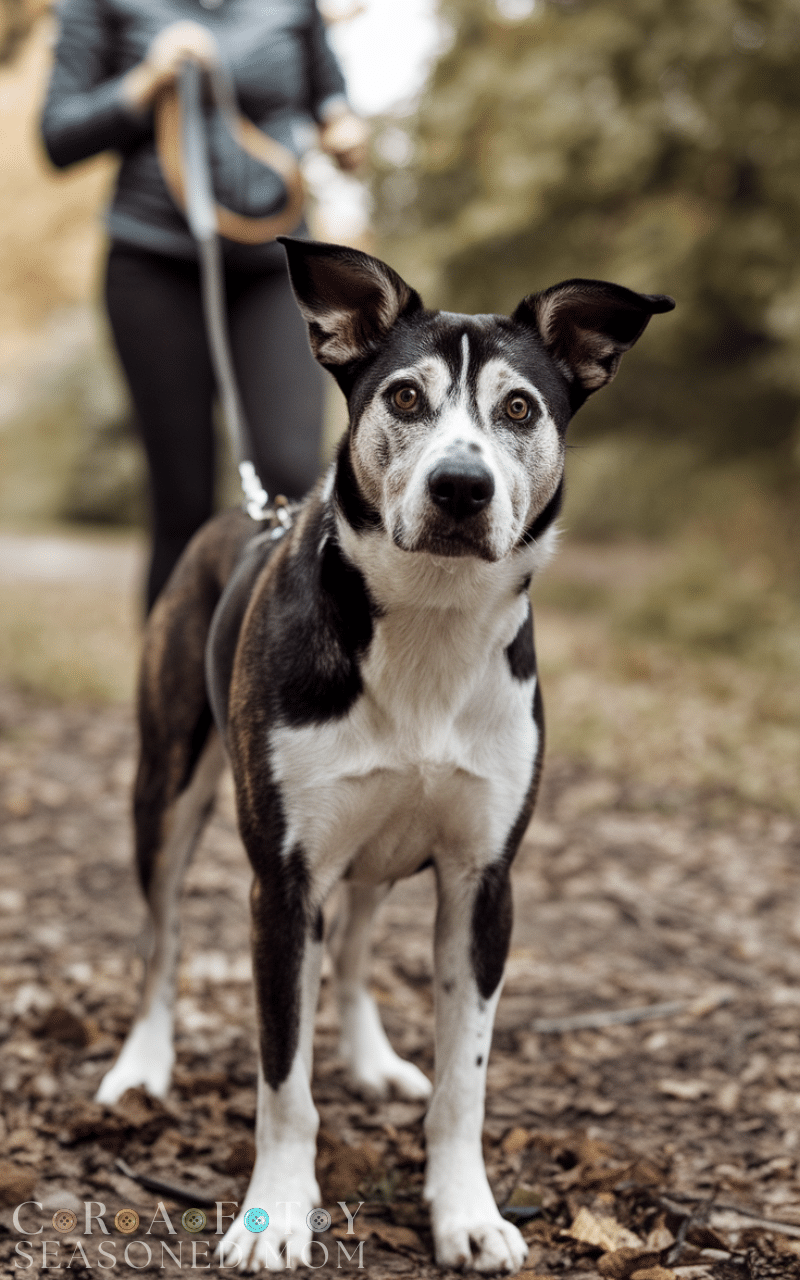
Ignoring body language is a major communication error because dogs “speak” primarily through their posture, tail movement, and facial expressions. When you miss these signals, you might accidentally push your dog too far or misunderstand their level of comfort.
Paying attention to signs of stress, such as lip licking or yawning, helps you adjust your training in a safe and positive way. Avoiding this mistake improves your responsiveness and makes the training process much more fluid and respectful of your dog’s needs.
1. Not Making Training Fun
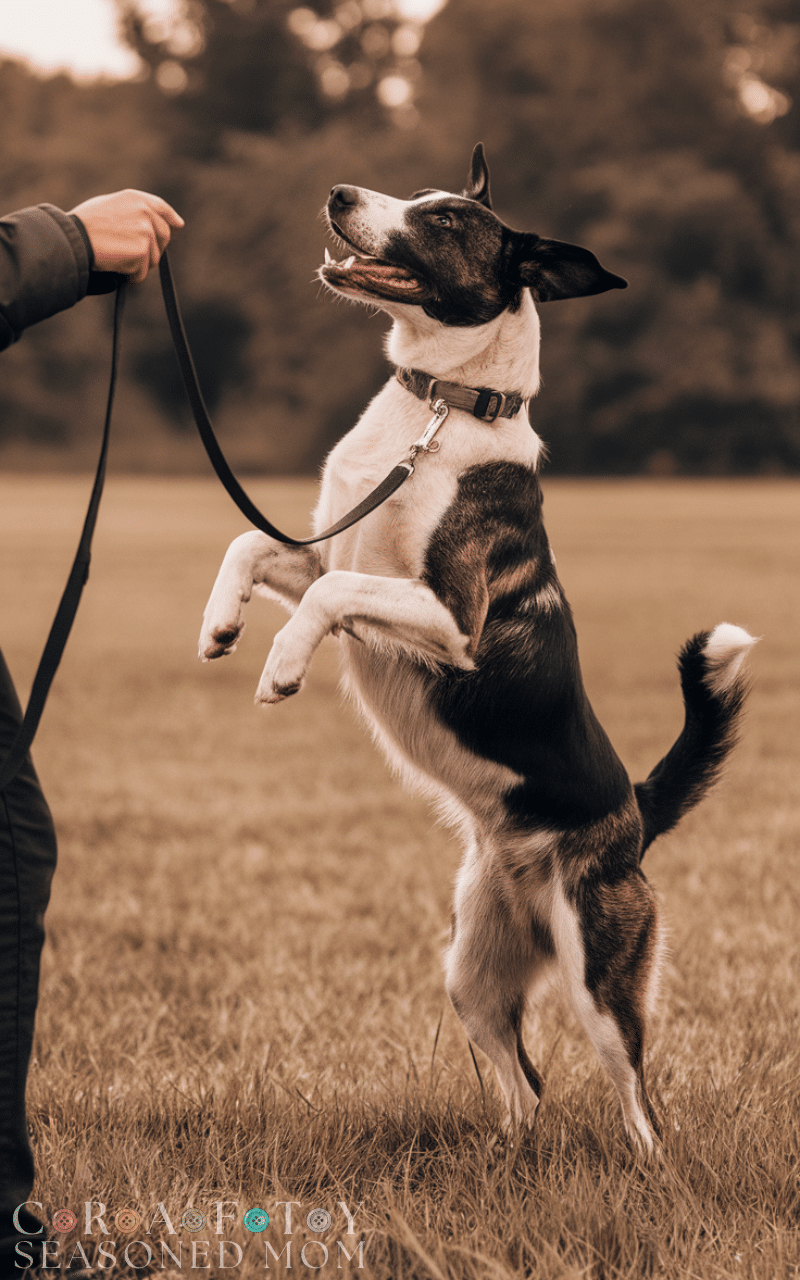
Not making training fun is perhaps the biggest mistake of all, as dogs are most enthusiastic when learning feels like a game. When sessions are filled with joy and play, your dog becomes eager to please and will absorb lessons much more quickly.
Adding games, heavy praise, and affection turns a chore into bonding time. Avoiding the “drill sergeant” mentality keeps both you and your dog happy and motivated throughout your journey together, ensuring a lifetime of good behavior and friendship.
Conclusion
Avoiding these common training mistakes will make your journey toward a well-behaved pet much easier and more successful. When you prioritize gentle methods, consistency, and clear communication, your dog will feel more connected to you and eager to learn every day.
