

Tucking a new garden into a corner of the house seemed like a simple weekend project, but my primary problem was the tricky light conditions and a basement window that I didn’t want to block completely. I had plenty of Flower Bed Ideas in my head, but I was paralyzed by the south-west exposure that offered intense midday sun followed by a total afternoon shadow.
I was terrified of planting something that would either fry in the heat or rot in the shade, and a contractor friend even warned me that piling dirt too high against the brick could invite termites through the weep holes. To complete my look, I will add my recently painted containers next to my front porch. However, for my main bed, I required a long-term structural plan that wouldn’t compromise my house’s framing, even with maintenance.
As I researched Flower Bed Ideas, I realized that native perennials were the ultimate “low-maintenance” cheat code. Unlike finicky annuals that require daily coddling, native plants like Purple Coneflower and Black-Eyed Susans are “chill” with whatever the sky and earth provide. I decided to lean into the pollinator garden trend, removing four old, scraggly evergreen bushes to make room for milkweed, catnip, and bee balm.
I even added a birdbath with large rocks so my “winged friends” wouldn’t drown. However, I still had to balance the sunny herbs like rosemary and thyme at the edges with the shade-loving hostas and ferns closer to the house wall, ensuring the bed had dimension and interest all year round.
The solution was a tiered design that respected both the sun and the foundation of my home. I planted a tall, slender dogwood in the far corner for winter interest with its vibrant red stems, and used low-growing hostas and coral bells to border the basement window without obscuring the light. For the “heavy lifting” of the color palette, I used a variety bag of native wildflower seeds, letting the species “fight it out” to see what thrived best in my specific pH and moisture levels.
Now, my Flower Bed Ideas have blossomed into a thriving pollinator sanctuary that requires minimal watering even in the dog days of summer. It’s a beautiful, living system that supports local wildlife while making the front of my house look absolutely stunning.
17. Color-Blocked Flower Beds
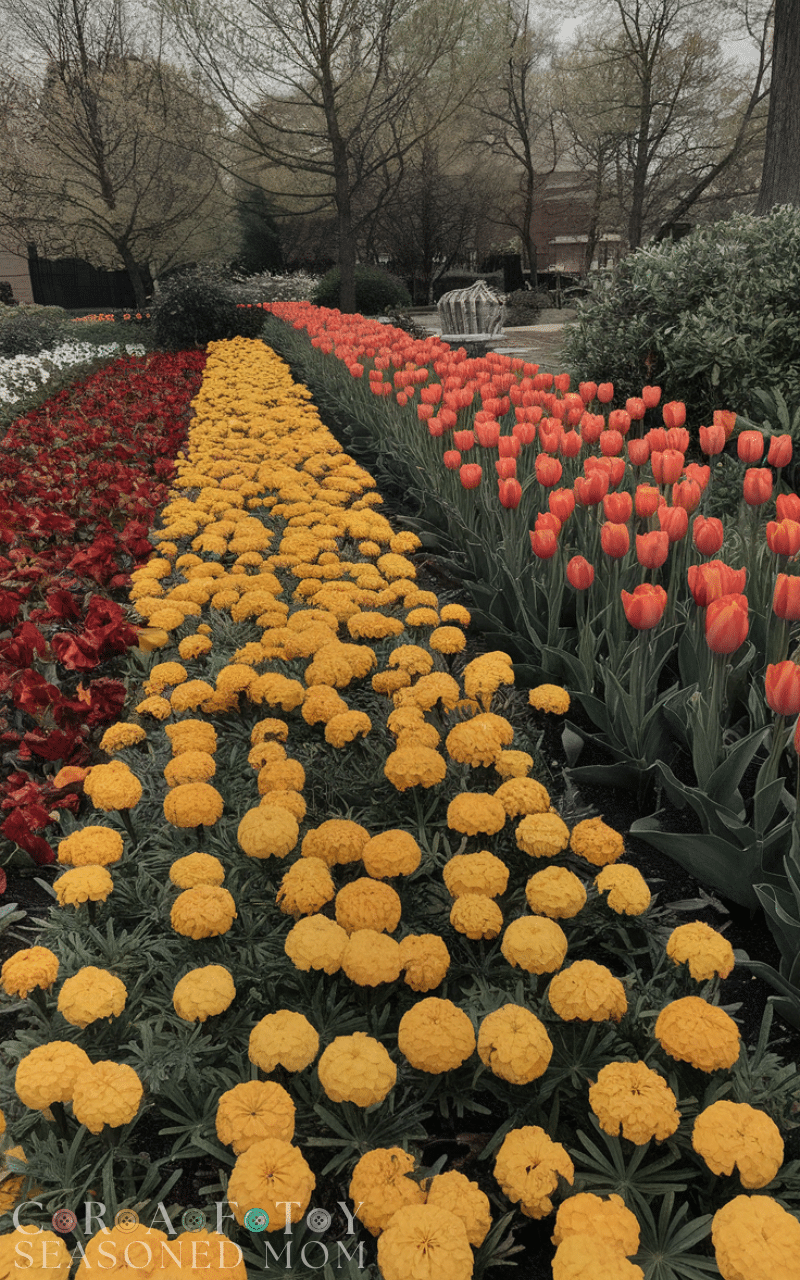
Color-blocked flower beds are all about creating bold sections of single-color blooms. Imagine a stretch of red tulips next to a patch of yellow marigolds—it instantly adds drama and charm to any garden. This idea is perfect if you want your flower bed to make a strong visual statement, and it’s easy to maintain because each color section can be cared for separately.
By arranging flowers in blocks, your flower bed gains structure and a professional look, turning your outdoor space into a vibrant, Instagram-worthy garden that delights every season.
16. Cottage-Style Flower Beds
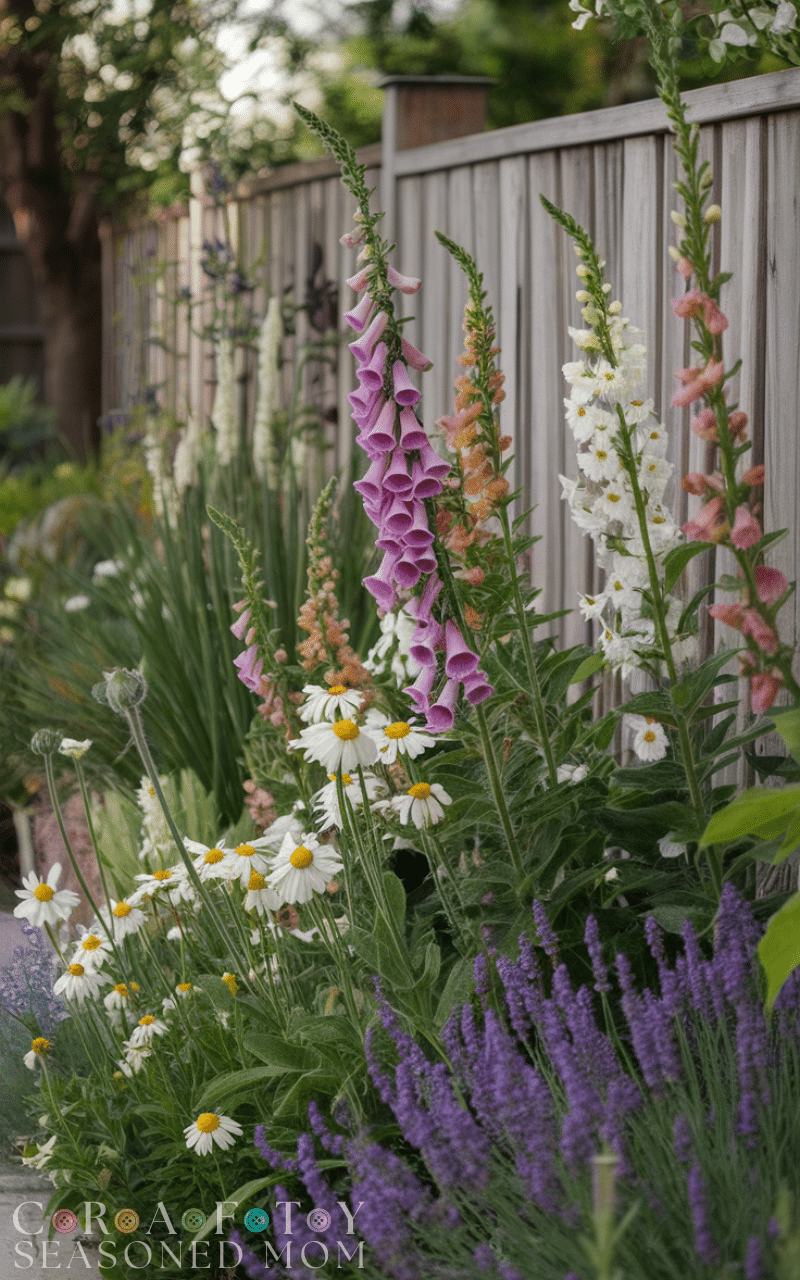
Cottage-style flower beds bring a cozy, romantic feel to your garden, blending an array of flowers like foxgloves, daisies, and lavender. The beauty of this flower bed idea is its natural, slightly wild look, giving your garden charm without needing strict organization. Planting a mix of heights and textures adds depth, while the informal layout makes maintenance simple.
This flower bed idea works well along fences or pathways, offering bursts of color and fragrance. Whether you love a casual garden or want a whimsical space, cottage-style flower beds make any outdoor area feel inviting and full of life.
15. Raised Flower Beds
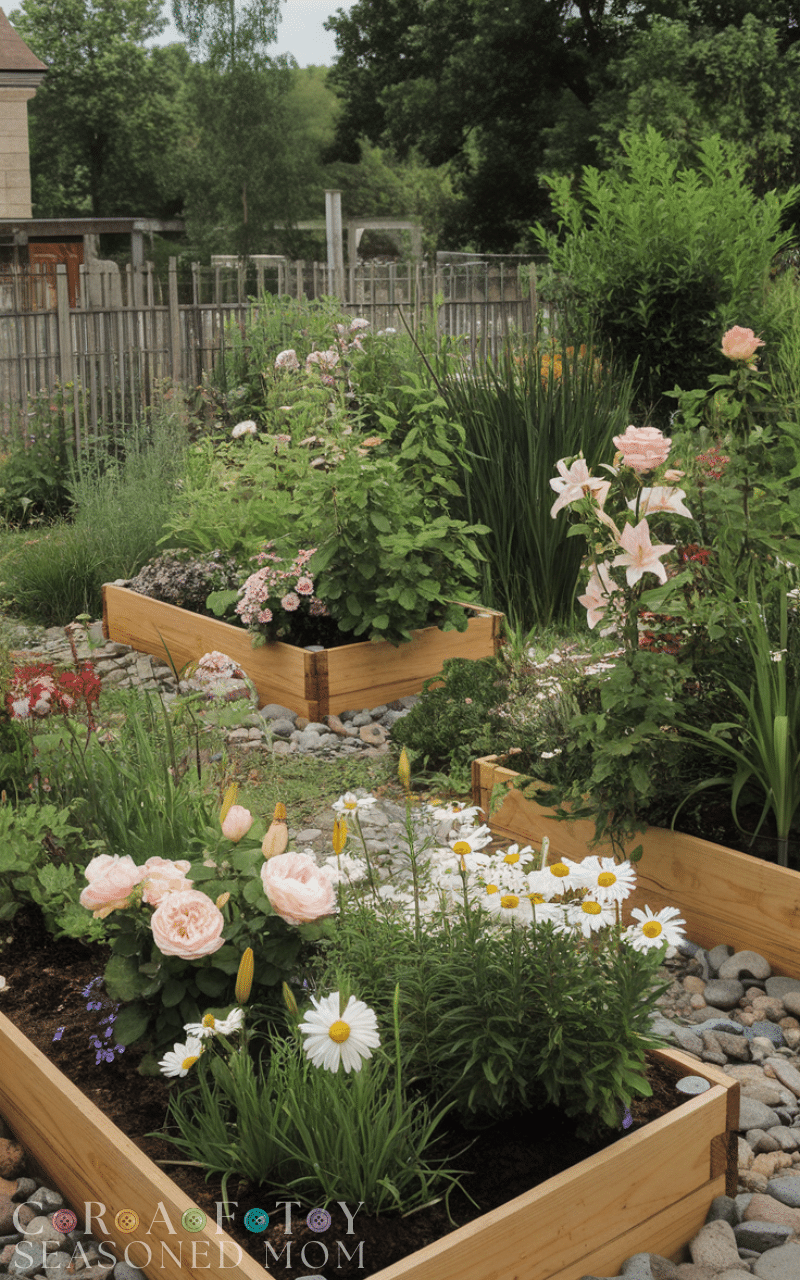
Raised flower beds are perfect for gardeners looking to add structure and practicality. By elevating the soil, these flower beds improve drainage and reduce strain on your back while gardening. You can use wood, stone, or metal to frame your raised flower bed, creating a neat, tidy look. This idea is flexible for growing seasonal flowers, vegetables, or perennials, making it both functional and decorative.
Plus, raised flower beds help define garden spaces, giving a polished appearance to your yard. They’re ideal for small spaces or areas with poor soil, transforming them into flourishing flower bed zones.
14. Perennial Flower Beds
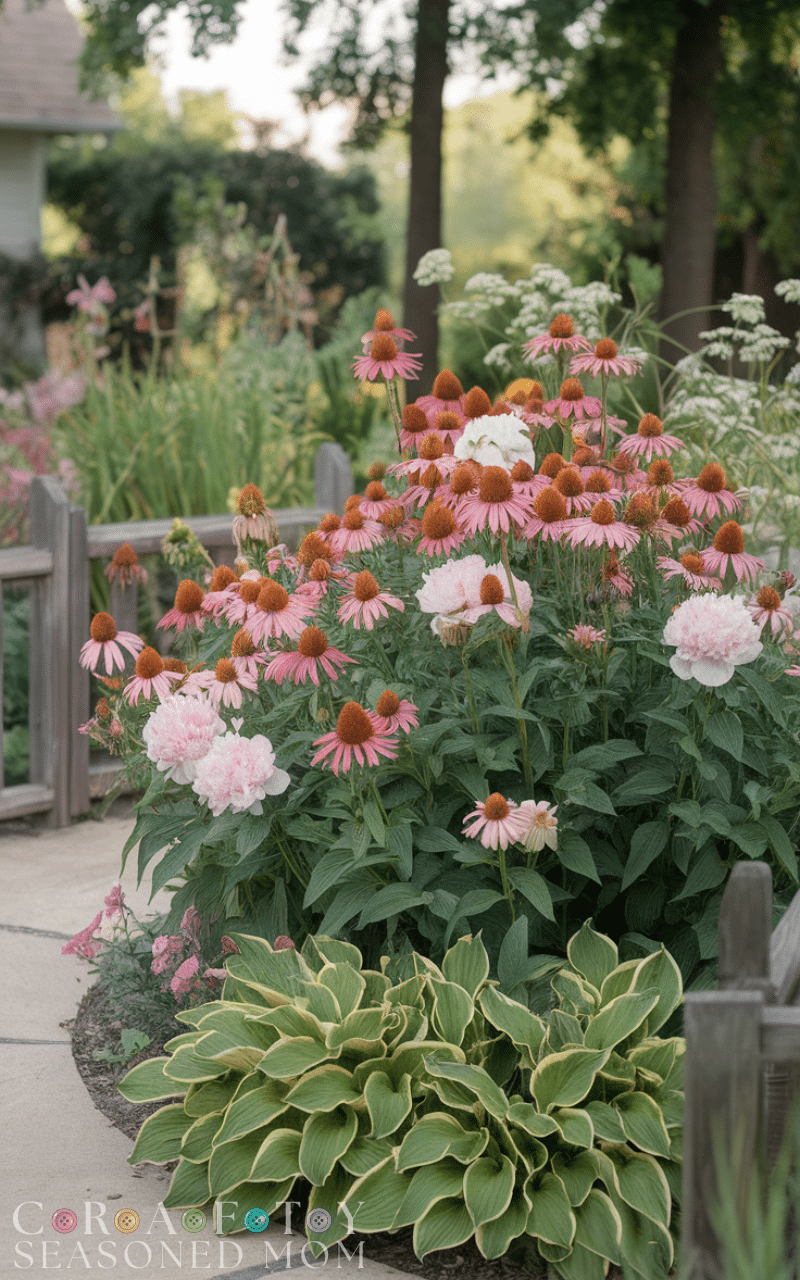
Perennial flower beds are a smart choice if you want low-maintenance beauty year after year. These flower beds are filled with plants like coneflowers, peonies, and hostas that come back season after season, reducing the need for replanting. You can mix various blooms to create a flower bed that evolves through the seasons, offering color and texture all year.
This idea ensures your garden stays lively without constant effort, and your flower bed becomes a long-term investment in charm and curb appeal. Perennial flower beds are perfect for anyone looking for sustainable, lasting beauty in their garden.
13. Butterfly-Friendly Flower Beds
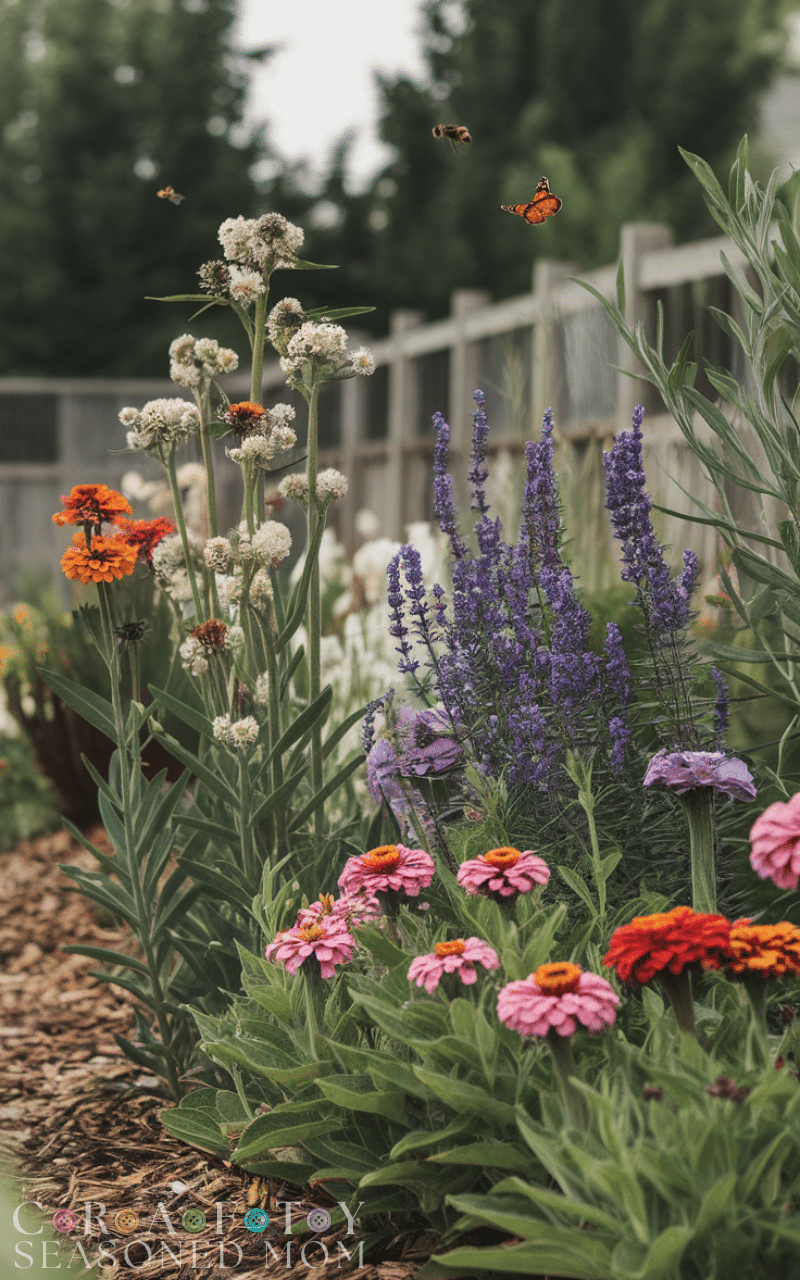
Attracting butterflies to your garden adds movement and life, and butterfly-friendly flower beds are designed for this purpose. Plant flowers like milkweed, lavender, and zinnias to create a flower bed that invites pollinators while providing stunning color. This type of flower bed also supports local ecosystems and encourages biodiversity.
By carefully choosing nectar-rich plants, your flower bed becomes a haven for butterflies, bees, and other beneficial insects, making your garden not just beautiful but ecologically friendly. A butterfly-friendly flower bed combines functionality and aesthetics, creating a lively, enchanting outdoor space.
12. Rock Garden Flower Beds
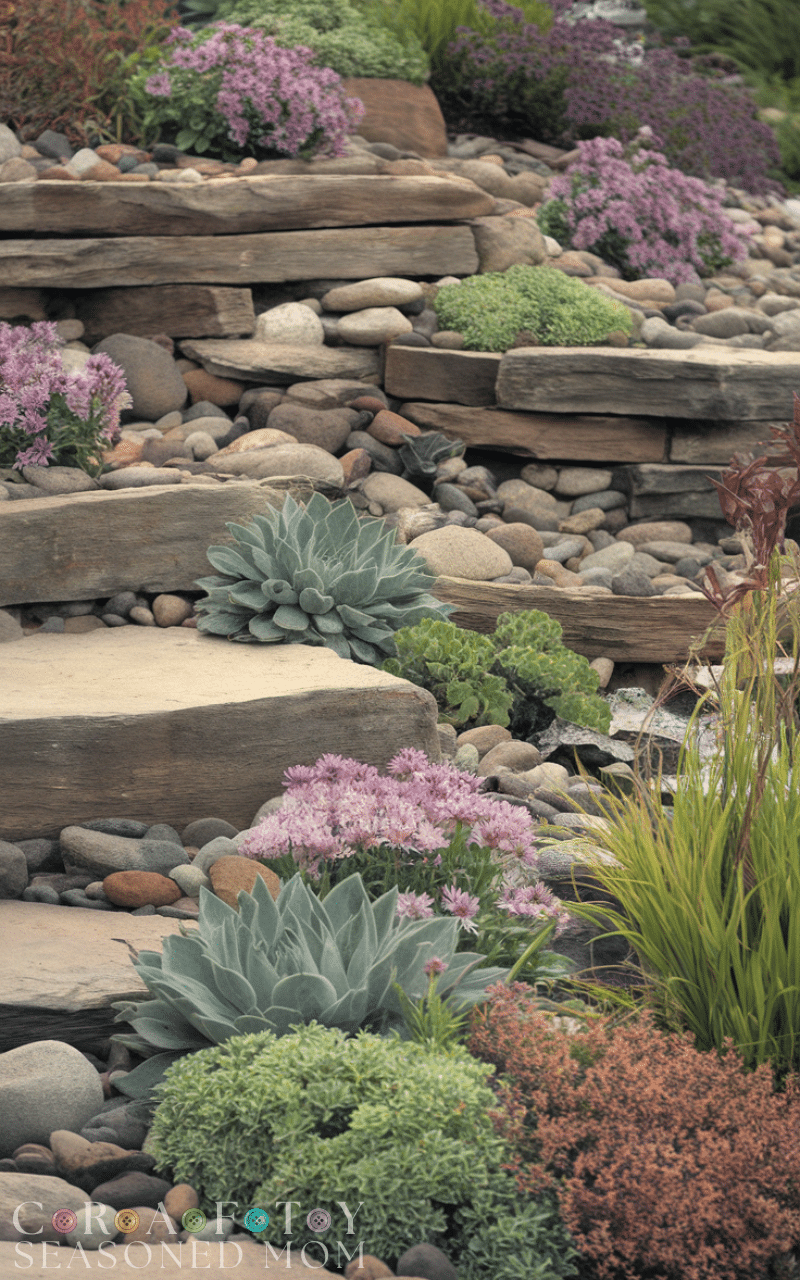
Rock garden flower beds mix stones and flowering plants for a dramatic, textured effect. Use rocks to create terraces, edges, or focal points, then plant hardy flowers like sedum, alpine asters, or creeping thyme around them. This idea is perfect for gardeners who love natural, rugged charm and want a low-maintenance flower bed.
The rocks provide structure and drainage benefits while giving your flower bed a unique, layered look. By combining hardscape and soft blooms, rock garden flower beds make your garden stand out with a mix of colors, textures, and natural beauty.
11. Curved Flower Beds
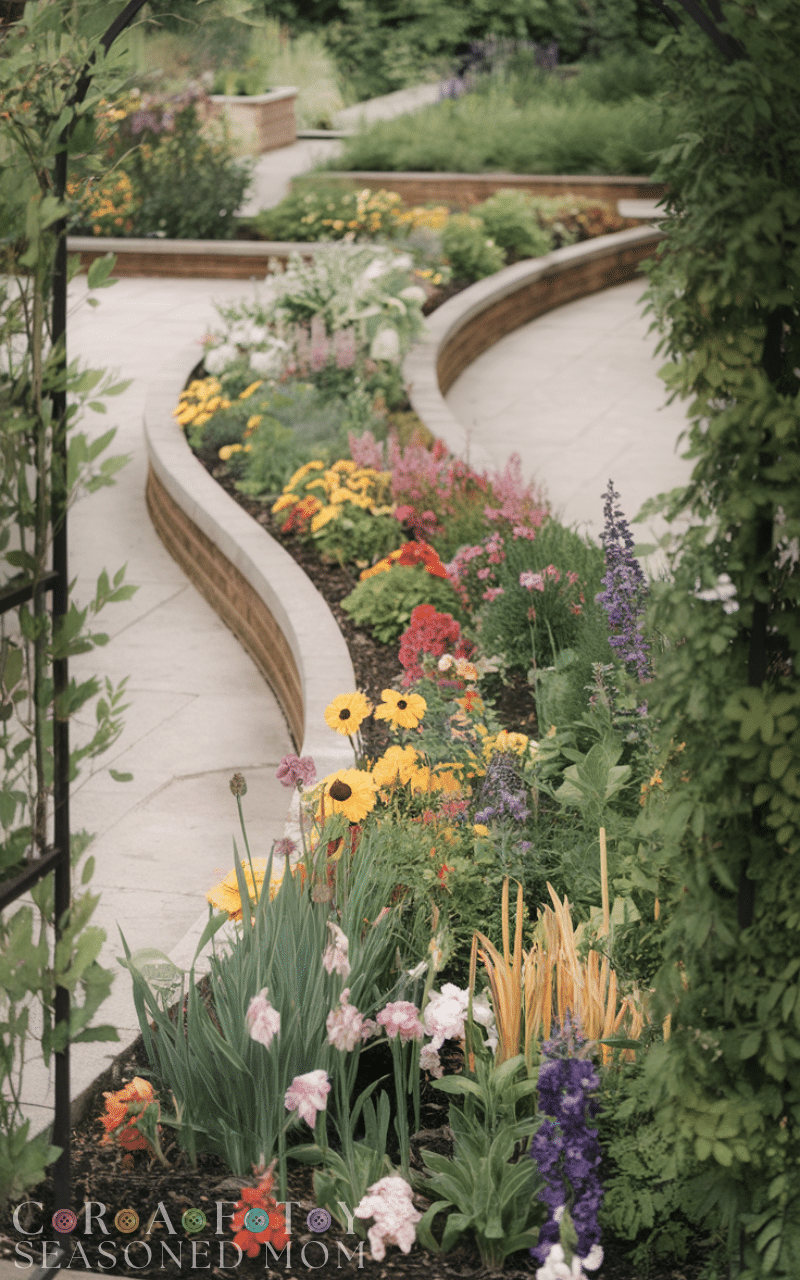
Curved flower beds break the monotony of straight lines, adding flow and softness to your garden. By following gentle, sweeping curves, this flower bed idea guides the eye and creates a sense of movement in your outdoor space. Plant a mix of tall and short flowers along the curves to enhance depth and dimension.
Curved flower beds are perfect for framing walkways, patios, or garden borders, making the space feel inviting and dynamic. With thoughtful color placement, your curved flower bed can become a stunning, organic focal point that transforms the garden into a harmonious oasis.
10. Container Flower Beds
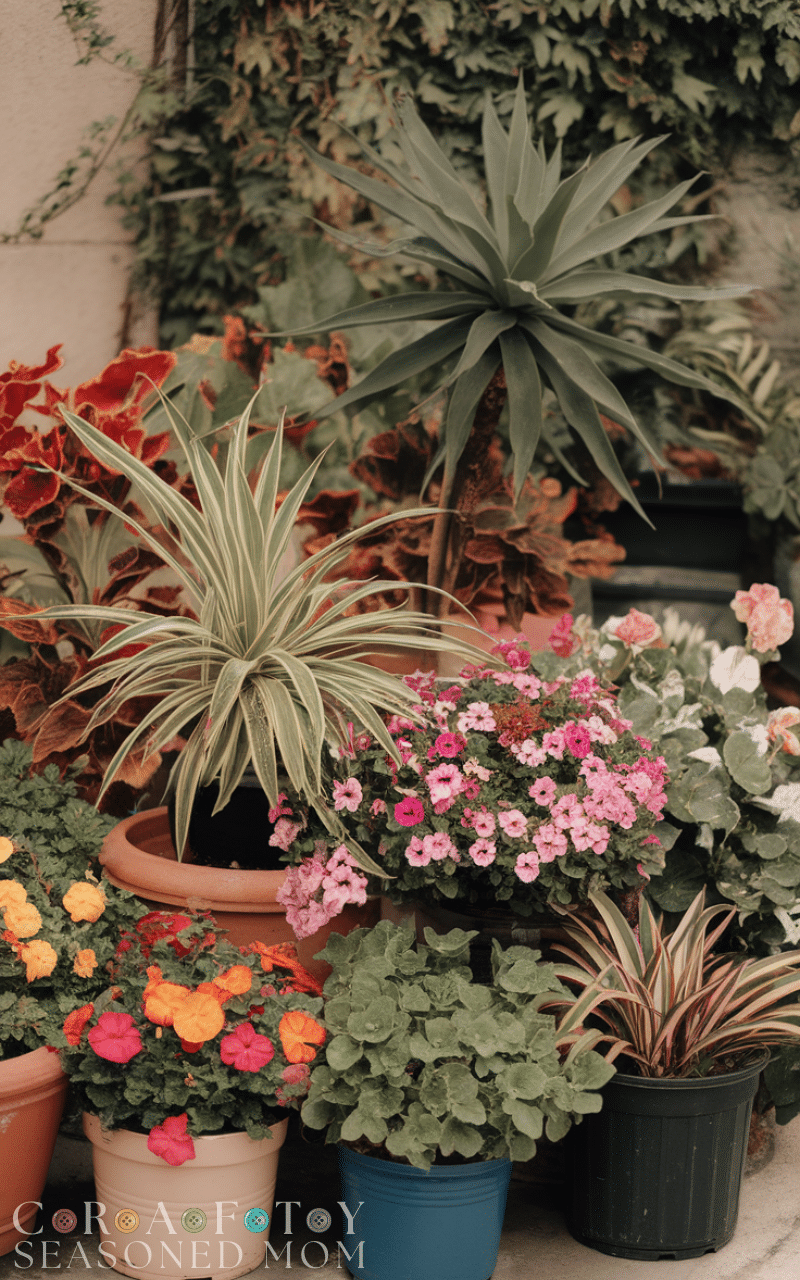
Container flower beds are ideal for flexible gardening, especially if you have limited space or want seasonal changes. Use pots, planters, or repurposed items to create a flower bed that’s portable and customizable. This idea allows you to experiment with plant combinations and move your flower bed to catch the best sunlight or showcase blooms on patios, balconies, or courtyards.
Container flower beds are low-risk and beginner-friendly, giving you control over soil quality and watering. With this approach, even a small corner can become a flourishing flower bed full of life and color.
9. Herb and Flower Mixed Beds
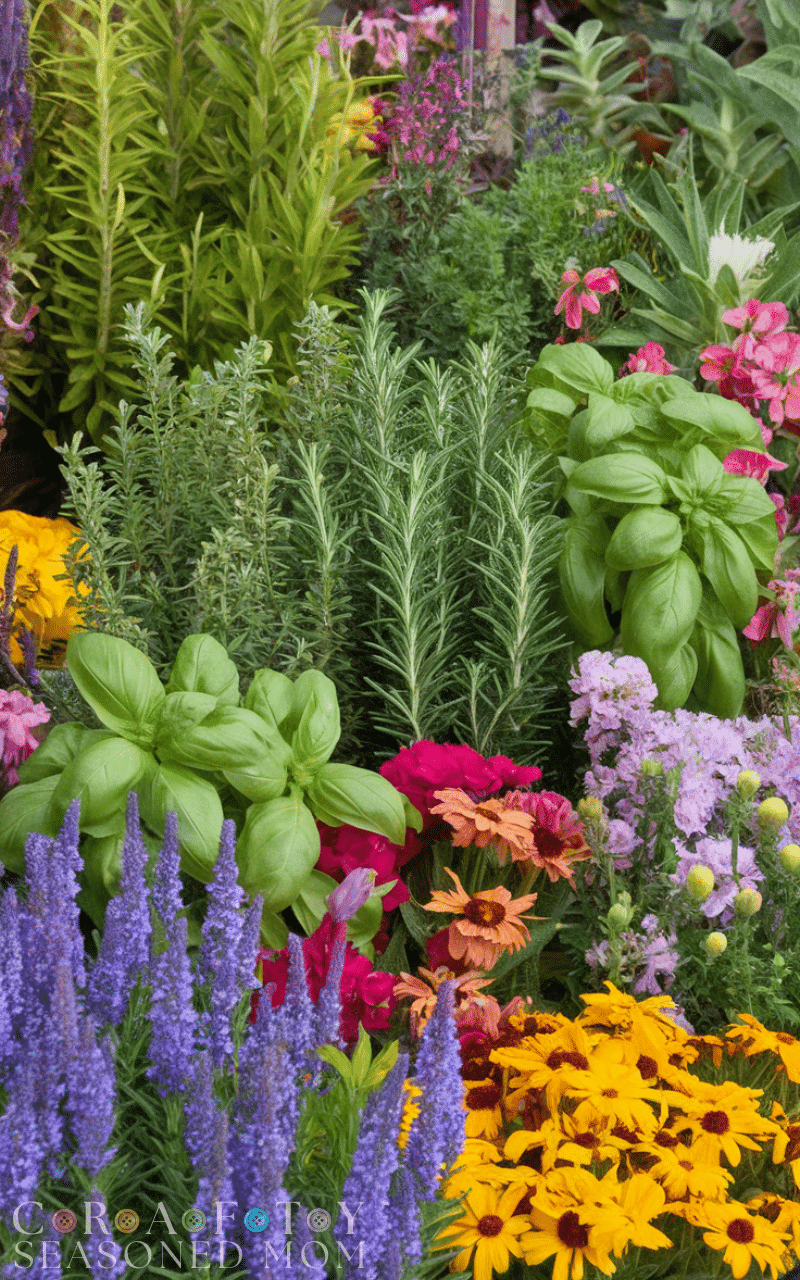
Mixing herbs and flowers creates a flower bed that’s both beautiful and functional. Combine aromatic herbs like basil, thyme, and rosemary with colorful blooms to create a multi-sensory experience. This idea makes your flower bed fragrant, attractive, and useful for cooking or tea-making. Herbs also attract pollinators, enhancing your garden’s ecosystem while keeping your flower bed productive.
By thoughtfully arranging plants by height and bloom time, your herb-flower flower bed can look intentional and stylish. It’s a practical, charming way to make your garden more than just decorative.
8. Seasonal Flower Beds
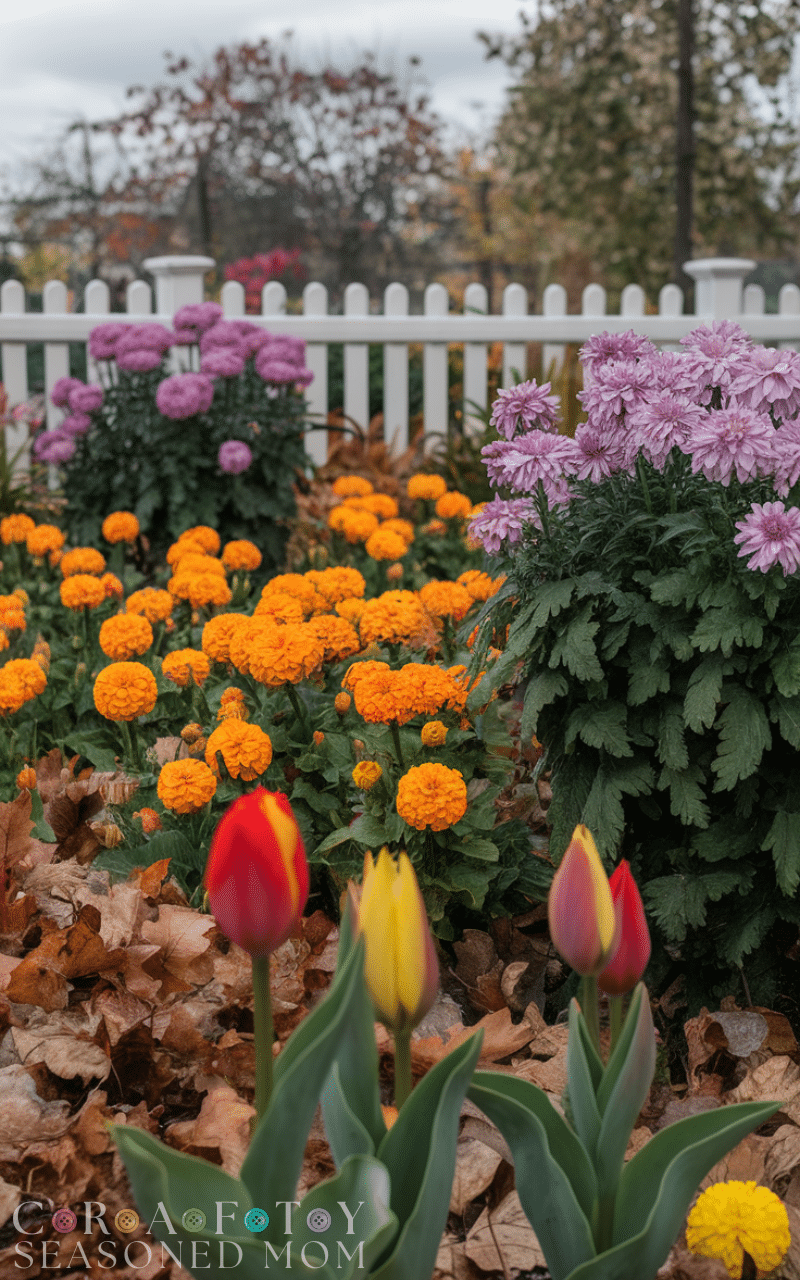
Seasonal flower beds ensure your garden always has color throughout the year. Plant spring tulips, summer marigolds, autumn chrysanthemums, and winter pansies to maintain a lively flower bed no matter the season. This idea requires planning, but the payoff is a garden that constantly evolves, with your flower bed becoming a visual diary of changing blooms.
Seasonal flower beds can be small or expansive, perfect for front yards, backyards, or community gardens. By rotating flowers with the seasons, your flower bed never looks dull and keeps your outdoor space fresh and inviting.
7. Wildlife-Friendly Flower Beds
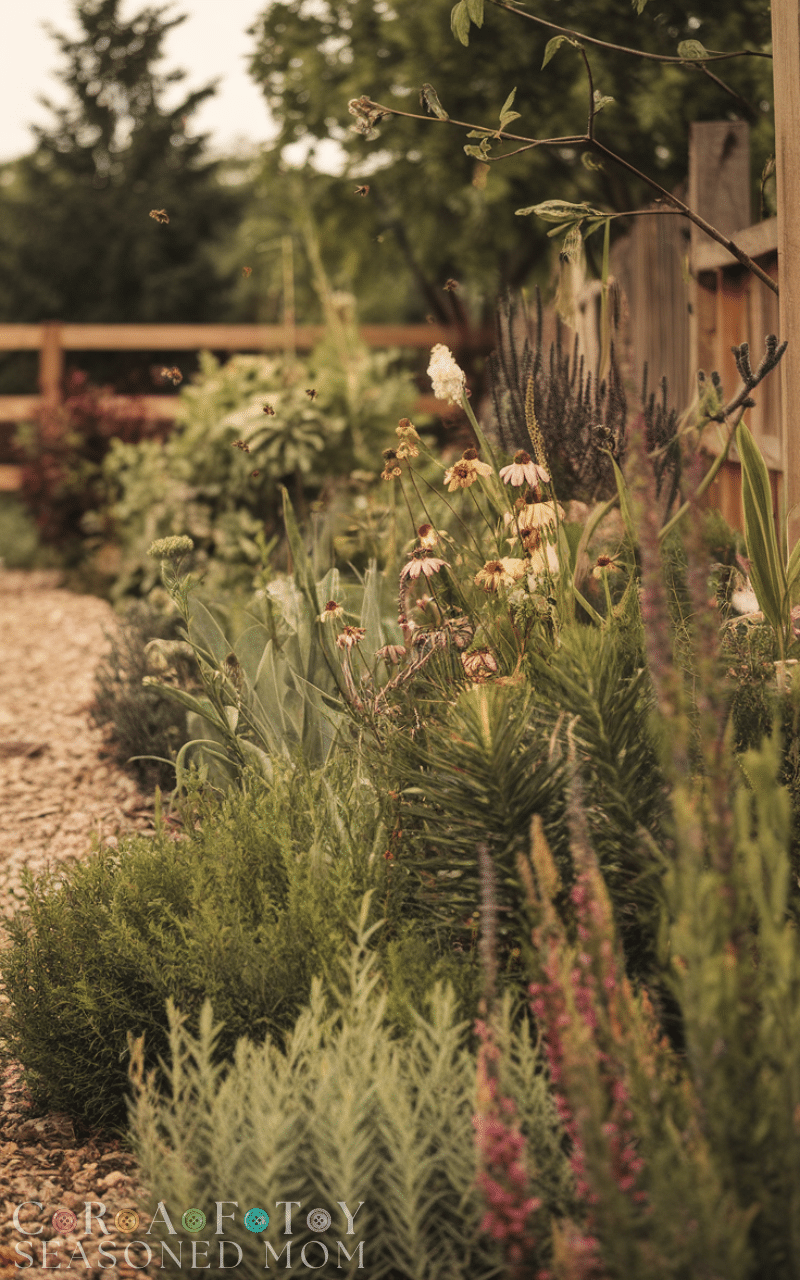
Wildlife-friendly flower beds attract birds, bees, and other small creatures to your garden. Incorporate native plants, shrubs, and flowers to create a safe habitat while providing color and fragrance. This flower bed idea enhances biodiversity and encourages a lively garden environment.
With careful selection of nectar, seeds, and sheltering plants, your flower bed becomes an ecosystem that benefits both the garden and the local wildlife. Wildlife-friendly flower beds are fulfilling for nature lovers and create a dynamic, engaging space that feels alive, while making your garden not just visually beautiful but ecologically meaningful.
6. Zen-Inspired Flower Beds
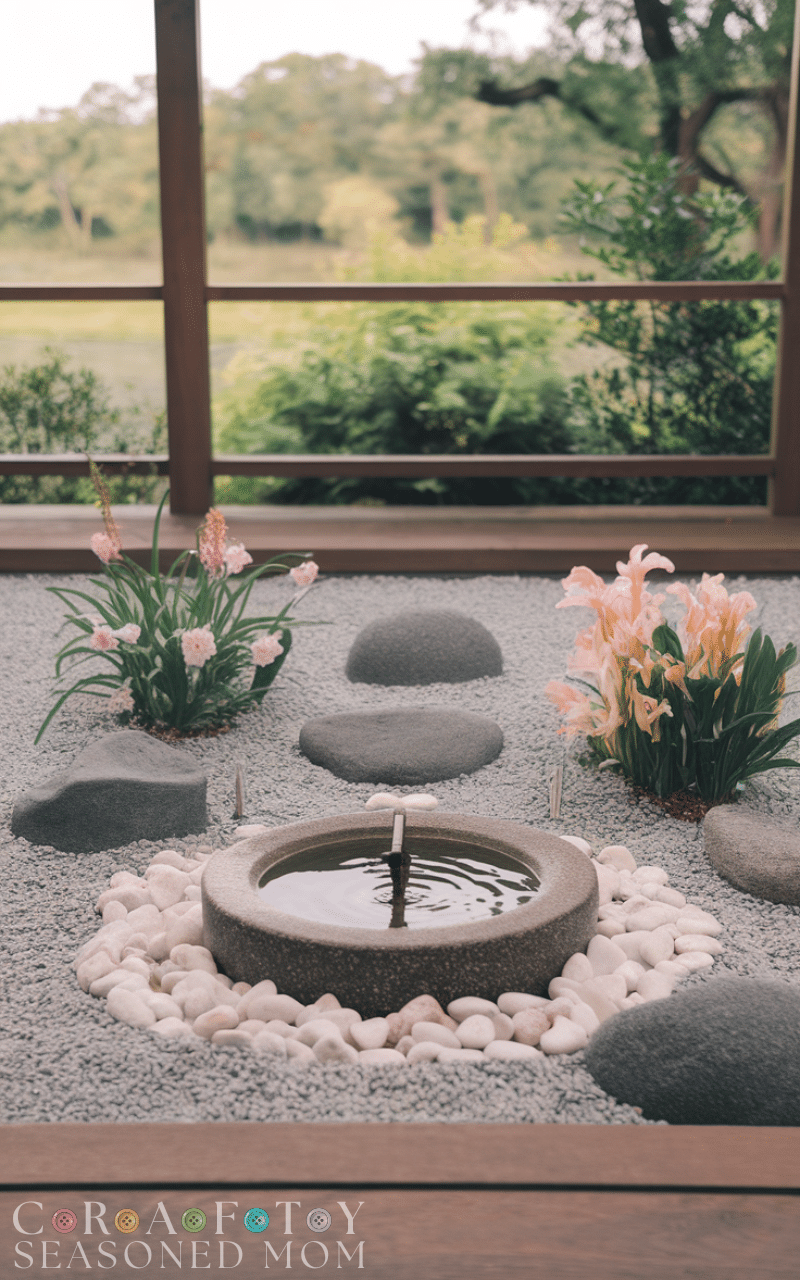
Zen-inspired flower beds focus on simplicity, tranquility, and balance. Combine minimalistic flowers with rocks, gravel, and small water features to create a calming space. This flower bed idea is perfect for meditation areas, small yards, or patios, offering a peaceful retreat. Carefully choosing plant placement and textures creates harmony and flow, turning your flower bed into a serene visual experience.
By keeping colors soft and layouts uncluttered, Zen-inspired flower beds emphasize contemplation and beauty in simplicity, making your garden a relaxing haven for quiet moments amidst nature.
5. Vertical Flower Beds
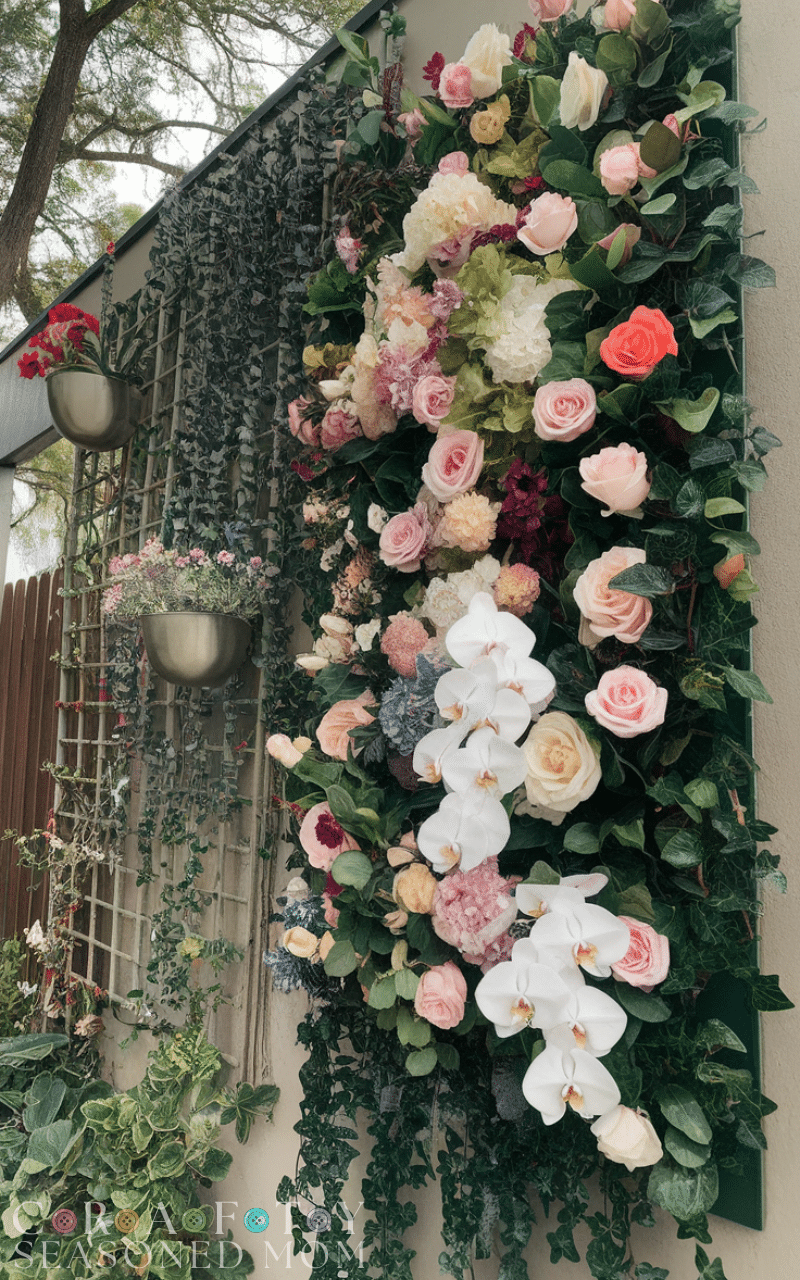
Vertical flower beds are excellent for small spaces or adding dimension to walls and fences. Using trellises, hanging planters, or wall-mounted pockets, you can grow climbing flowers or cascading blooms, creating a living flower wall. This idea maximizes space and adds eye-catching visual appeal to your garden.
Vertical flower beds are also great for urban areas, patios, or narrow yards, transforming unused vertical surfaces into lush floral displays. With creative arrangements, your flower bed can become a dynamic, multi-level garden feature that impresses visitors and elevates your outdoor space.
4. Edible Flower Beds
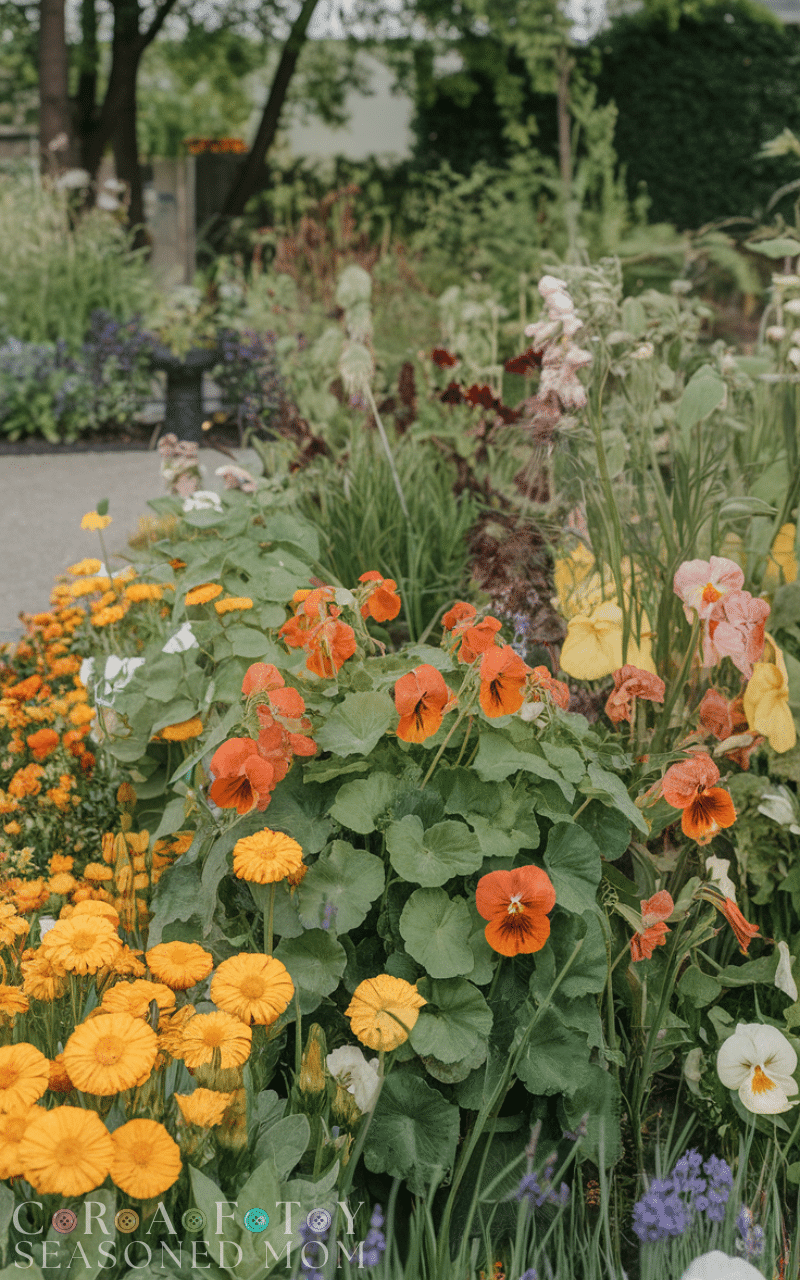
Edible flower beds combine beauty with functionality, growing flowers you can eat, such as nasturtiums, pansies, and calendulas. This idea makes your flower bed not only visually stunning but also useful for salads, teas, and garnishes. By mixing edible blooms with other decorative flowers, your garden gains a unique charm while supporting culinary creativity.
Edible flower beds are perfect for home chefs and gardeners who love practical beauty. With careful planning and organic care, this flower bed can provide a continuous supply of blooms for the table and the eyes, offering both flavor and aesthetic delight.
3. Rock and Succulent Flower Beds
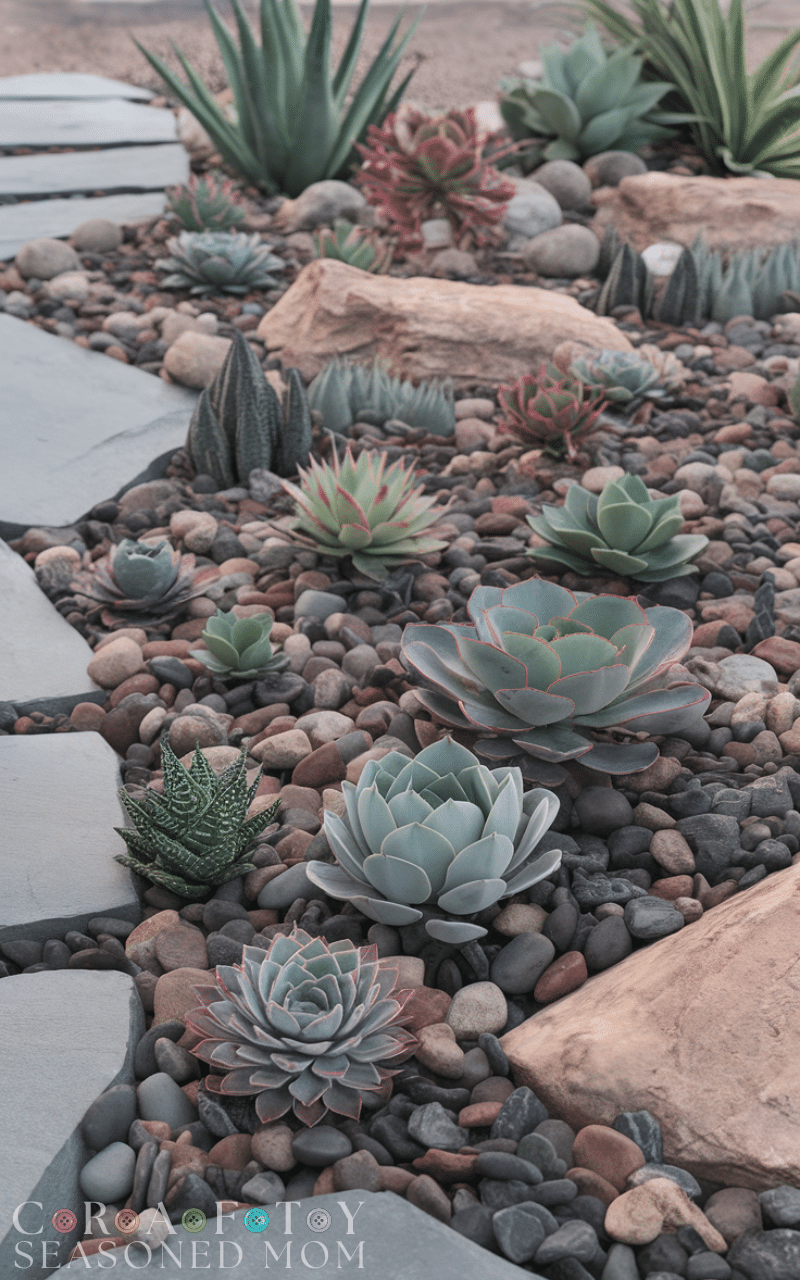
Rock and succulent flower beds are low-maintenance and drought-resistant, ideal for hot or dry climates. By pairing hardy succulents with decorative rocks, you create texture and interest without frequent watering. This flower bed idea offers a modern, clean look while being sustainable.
Succulents provide a variety of colors and shapes, while rocks give structure and contrast, making your flower bed visually striking. Perfect for front yards or backyard corners, rock and succulent flower beds combine practicality and beauty, giving your garden a chic, contemporary feel without demanding constant attention.
2. Wildflower Flower Beds
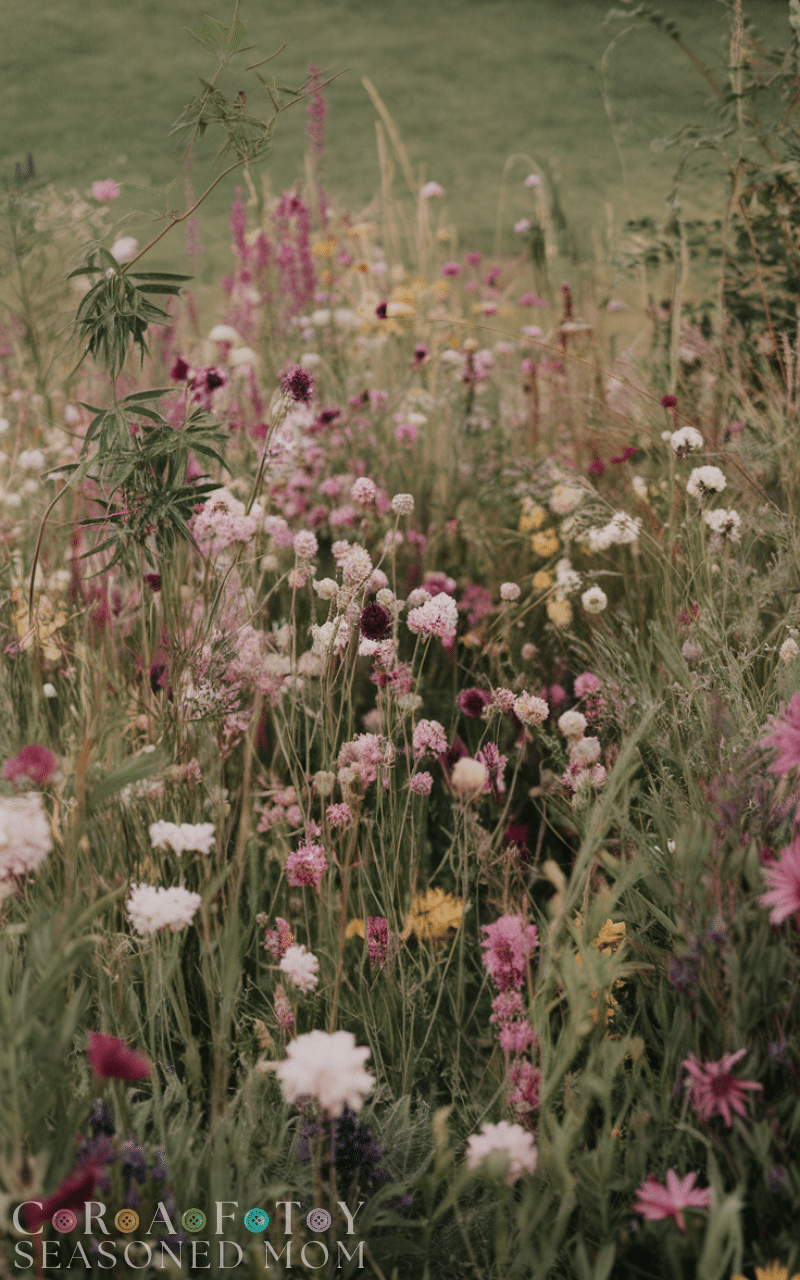
Wildflower flower beds are easy to plant, low-maintenance, and full of charm. Scatter native wildflower seeds and let nature take its course, creating a flower bed that blooms in unexpected, vibrant patterns. This idea attracts pollinators, supports local ecosystems, and gives your garden a carefree, whimsical feel.
Wildflower flower beds are perfect for informal spaces, meadows, or large backyards, providing seasonal color and a natural, rustic aesthetic. By allowing a mix of species, your flower bed becomes a lively, ever-changing canvas that celebrates the beauty of untamed growth and natural harmony.
1. Formal Geometric Flower Beds
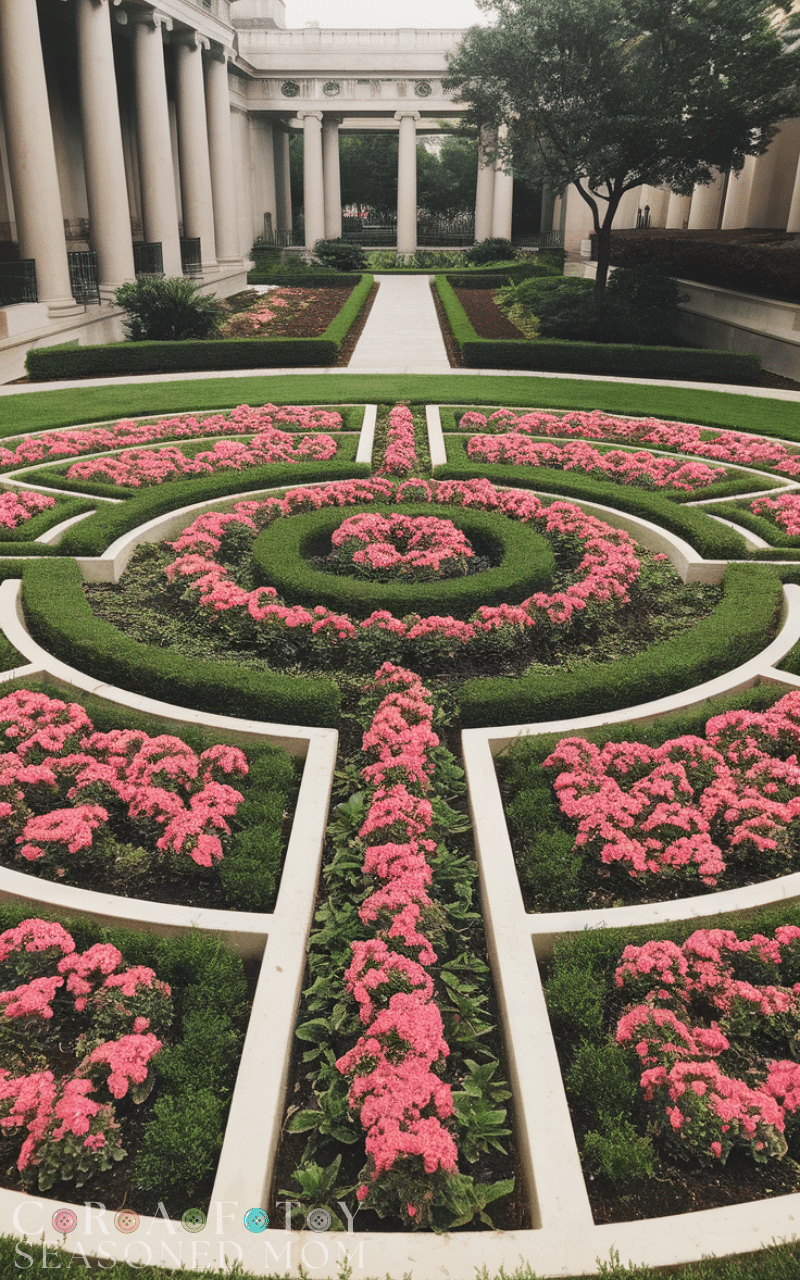
Formal geometric flower beds bring order and elegance to your garden, using shapes like circles, squares, or triangles to design planting areas. Symmetrical layouts with matching flower varieties create a refined, structured appearance.
This flower bed idea is ideal for front gardens, courtyards, or spaces where you want a sophisticated look. By carefully planning symmetry and color, your flower bed can serve as a centerpiece, impressing visitors with its classic, polished beauty. Formal geometric flower beds combine timeless aesthetics with the vibrancy of blooms, giving your garden a distinguished and harmonious visual impact.
Conclusion
Creating stunning flower beds transforms your garden into a colorful, inviting sanctuary. From wildflower beds to formal geometric designs, each flower bed idea brings its own charm and personality, making your outdoor space both beautiful and functional.
Experiment with colors, layouts, and plant types to find the perfect style for your home. For more tips, tutorials, and inspiration to design your dream garden, subscribe to our blog and stay updated on the latest flower bed trends, ideas, and gardening secrets that will keep your flower beds blooming all year long.
