

Walking into a room that feels “color-eating” and soulless is a disheartening experience for any homeowner, especially when you are surrounded by vast expanses of flat, tense gray. The problem with finding a Coastal Color Guide that actually works is that most traditional palettes suggest bright pastels pinks and yellows that clash violently with modern gray walls and cool-toned flooring.
It is incredibly frustrating to stare at your space and feel it’s too “stark” or “clinical” when you were aiming for a breezy seaside escape. Many people find that their attempts at “beachy” wood finishes, like sunbleached or pickled oak, end up looking excessively white and washed out against the gray. Without a plan to balance those cool undertones with natural warmth and “stormy” textures, your home can feel more like a rainy day at the office than a weekend at the dunes.
While you are experimenting with white oak and denim blue accents, you might be looking for ways to bring that same organized, airy feel to your utility spaces; for more inspiration, you can read my article on 16 Easy Laundry Room Ideas. To solve the “soulless” gray dilemma of your Coastal Color Guide, move away from the bright neon-beach look and toward a more organic, weathered palette.
Think of the colors of a “stormy” shoreline: dusty greens, muted blues like Sherwin Williams Denim, and brown-grays that mimic smooth, wet river stones. Instead of high-contrast whites, look for “sand” or beige tones that add a needed layer of warmth. Incorporating natural wood elements, like driftwood or white oak shelves with a subtle blue inlay, provides the tactile “beachy” feel without the room feeling cold.
The ultimate solution for a professional coastal aesthetic lies in layering and quality. Much like a high-end artist’s palette think of the stunning, unique shades from brands like Daniel Smith the best interiors rely on a variety of individual “tubes” of color rather than a one-size-fits-all approach. Use curtains and rugs to break up the gray wall space and add softness, and don’t be afraid to splurge on a few high-quality, one-of-a-kind decor pieces for your bar cart or shelving.
By blending stormy, muted tones with rich wood grains, you create a space that feels balanced and grounded. You’ll find that when you focus on “natural” color implementation rather than stark contrasts, the tension in the room disappears, leaving behind a tranquil, sophisticated coastal sanctuary.
15. Soft Ocean Blue

Soft ocean blue is a classic choice in any color guide because it instantly reminds you of calm sea water under a clear sky. This gentle shade works beautifully on walls, cabinetry, or even accent furniture. In a coastal color guide, soft ocean blue pairs perfectly with crisp white trim and light wood finishes. It reflects light beautifully and creates a peaceful atmosphere that feels open and breathable. If you want a relaxing bedroom or living room, this shade should definitely be part of your coastal color guide palette.
14. Sandy Beige

Sandy beige brings warmth and balance to a coastal color guide, inspired by natural shorelines and sun-kissed beaches. This color acts as the perfect neutral foundation, allowing brighter coastal tones to shine without overwhelming the space. In a color guide, sandy beige works well for walls, large rugs, or upholstered furniture. It adds coziness while keeping the airy feel intact. By including sandy beige in your coastal color guide, you create a grounded and welcoming atmosphere that feels both elegant and relaxed.
13. Crisp White
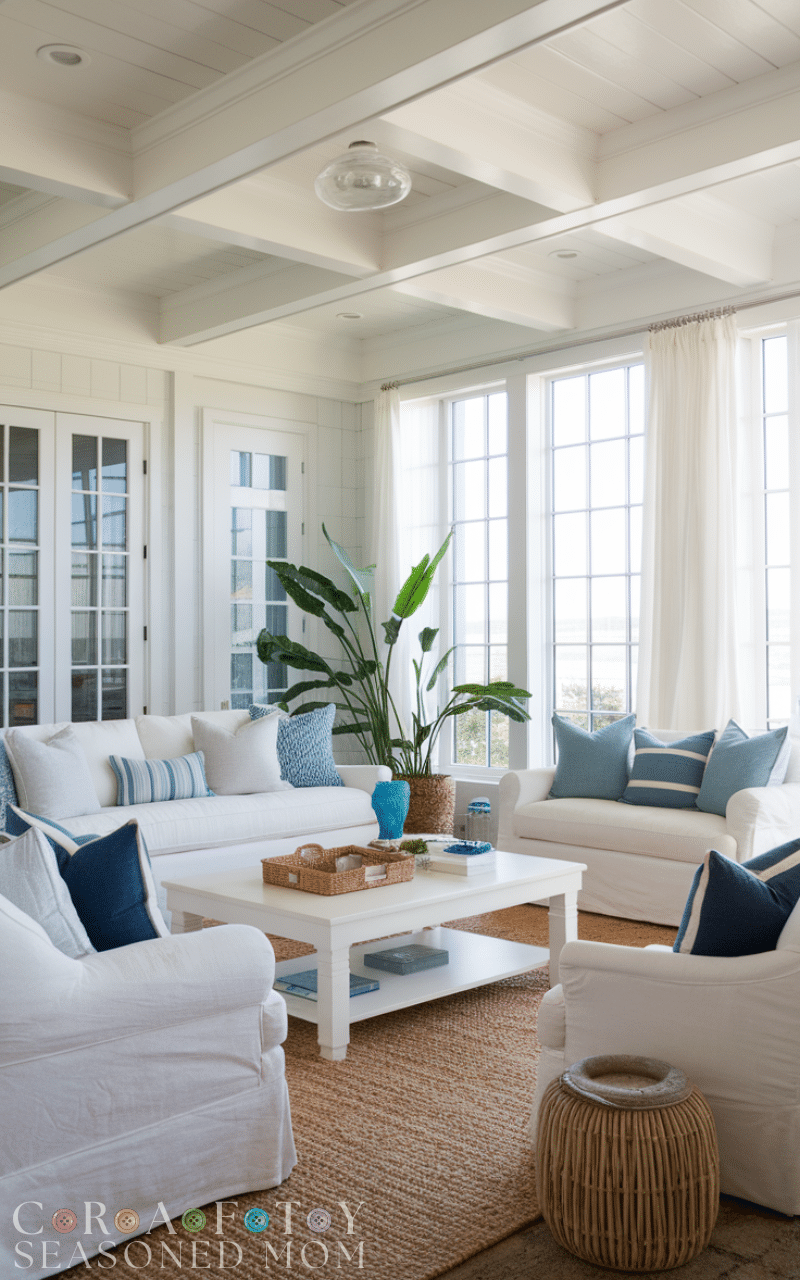
Crisp white is essential in every color guide because it reflects natural light and makes rooms feel larger and cleaner. This shade works beautifully for walls, ceilings, trim, and even slipcovered sofas. A coastal color guide often uses crisp white to balance blues and greens, creating contrast without heaviness. It also enhances natural textures like jute, linen, and driftwood. When building your coastal color guide, think of crisp white as the canvas that allows every other coastal shade to shine effortlessly.
12. Seafoam Green

Seafoam green adds a playful yet soothing touch to any coastal color guide. This light green with a hint of blue feels fresh and cheerful, perfect for bathrooms, kitchens, or accent walls. In a coastal color guide, seafoam green pairs beautifully with white, light gray, and pale wood tones. It brings subtle color without overpowering the room. If you want to introduce personality into your color guide while maintaining a serene vibe, seafoam green is a wonderful and refreshing choice.
11. Driftwood Gray

Driftwood gray is a soft, weathered shade that adds depth and texture to a coastal color guide. Inspired by sun-bleached wood found along the shore, this color works well on furniture, flooring, or cabinetry. A color guide often includes driftwood gray to add subtle contrast against white walls and lighter blues. It creates a layered look that feels natural and sophisticated. By incorporating driftwood gray into your coastal color guide, you add maturity and balance without losing that breezy beach feel.
10. Navy Blue Accents

Navy blue accents bring bold contrast and elegance to a coastal color guide. While lighter shades dominate the palette, navy adds depth and drama when used thoughtfully. In a coastal color guide, navy works beautifully on throw pillows, kitchen islands, or statement furniture pieces. It grounds the lighter colors and creates a more dynamic space. Including navy in your color guide ensures the design feels intentional and polished rather than overly soft or washed out.
9. Coral Touches
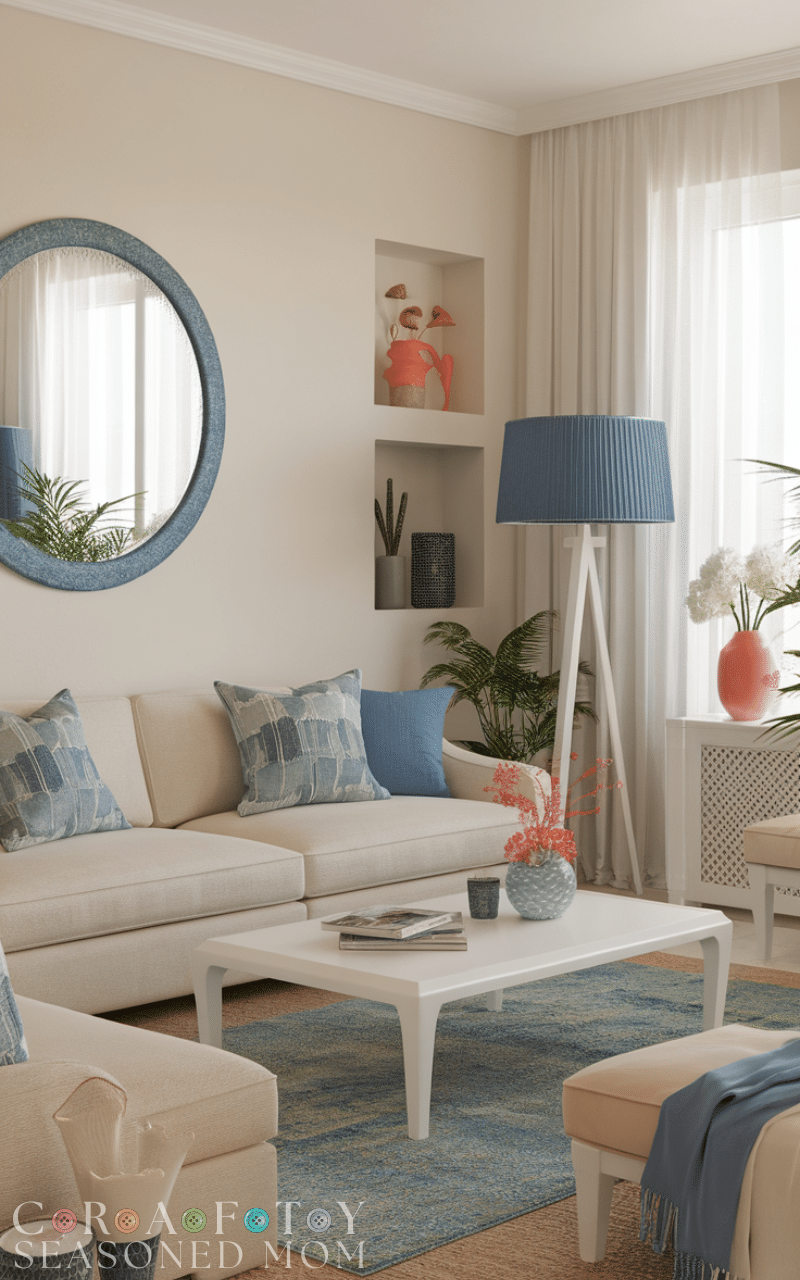
Coral touches introduce warmth and personality into a color guide without overpowering the room. This lively shade reflects sunset tones by the sea and adds cheerful energy. In a coastal color guide, coral works best as an accent in artwork, cushions, or decorative accessories. It pairs beautifully with blues and sandy neutrals, creating a balanced yet vibrant atmosphere. A few coral details in your coastal color guide can instantly brighten the space and make it feel more inviting.
8. Pale Aqua
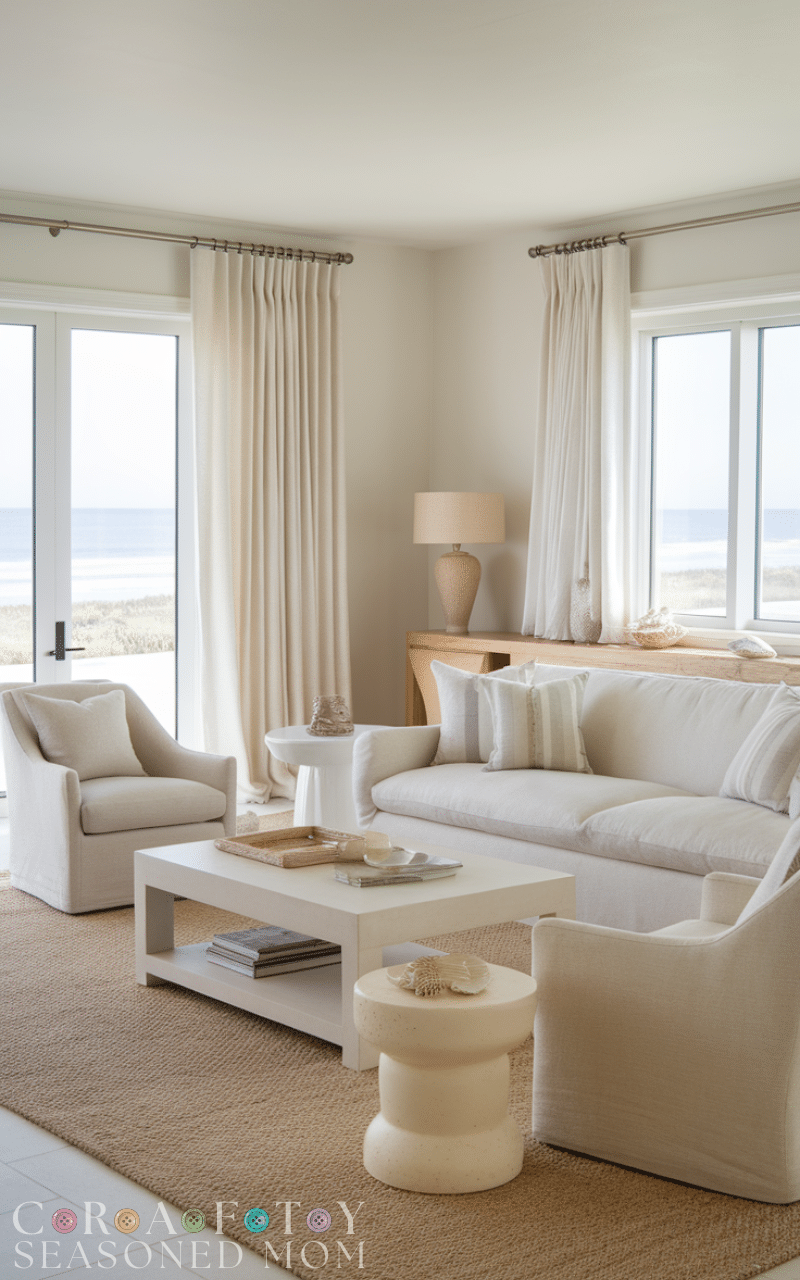
Pale aqua is a dreamy addition to any color guide, blending blue and green in a soft, airy way. This shade works beautifully in bedrooms or bathrooms where relaxation is key. A coastal color guide often uses pale aqua to mimic shallow tropical waters, bringing freshness and light into the home. It pairs effortlessly with white and light beige, creating a harmonious palette. Adding pale aqua to your coastal color guide enhances the serene and uplifting mood of the space.
7. Sun-Washed Yellow

Sun-washed yellow brings a gentle warmth to a coastal color guide, inspired by morning sunlight over the ocean. This soft yellow works best as a subtle accent, adding brightness without overwhelming cooler tones. In a coastal color guide, it pairs beautifully with whites and light blues, creating a cheerful yet balanced look. Whether used in textiles or small décor pieces, sun-washed yellow can make your coastal color guide feel more dynamic and welcoming.
6. Light Turquoise
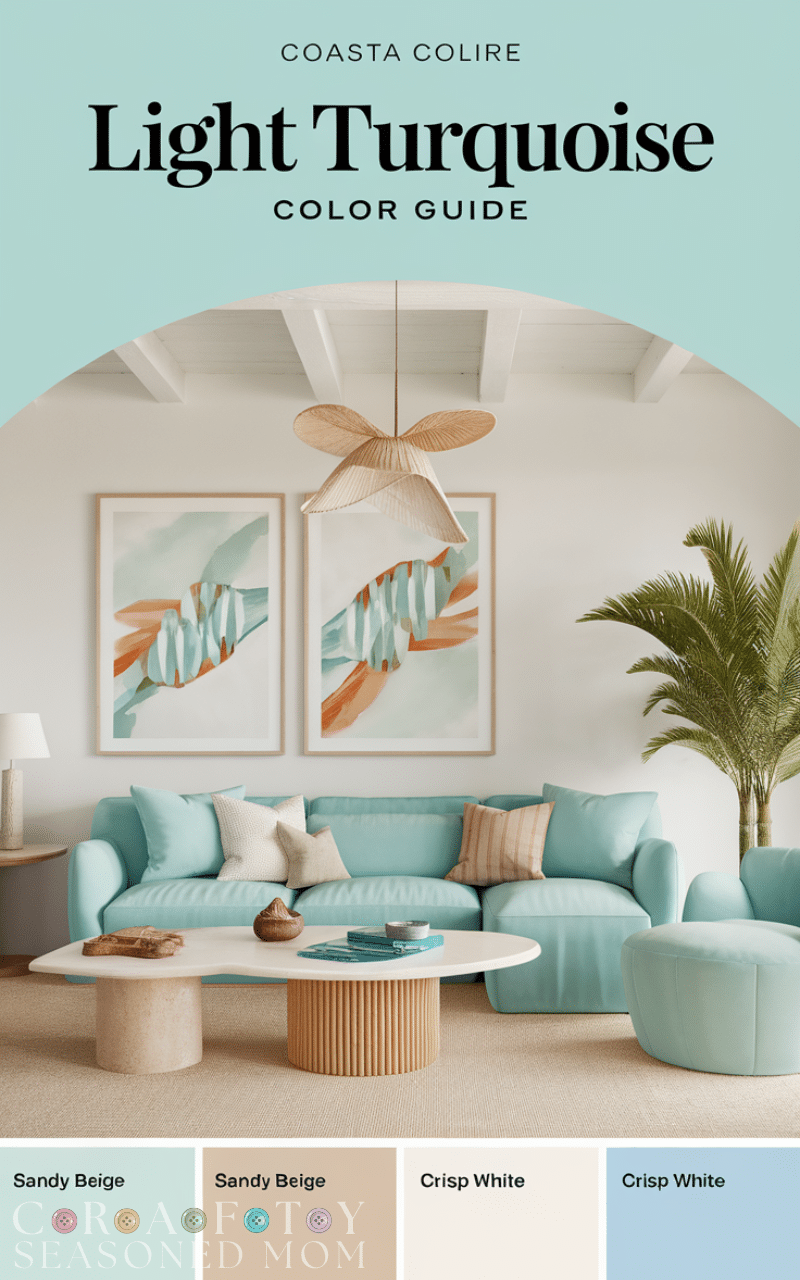
Light turquoise adds tropical energy to a coastal color guide while still maintaining softness. This color works beautifully for statement furniture or accent walls in smaller spaces. In a coastal color guide, light turquoise pairs well with sandy beige and crisp white for a clean and refreshing effect. It feels playful yet sophisticated when balanced correctly. Including light turquoise in your coastal color guide helps create a lively atmosphere that still feels breezy and harmonious.
5. Shell Pink
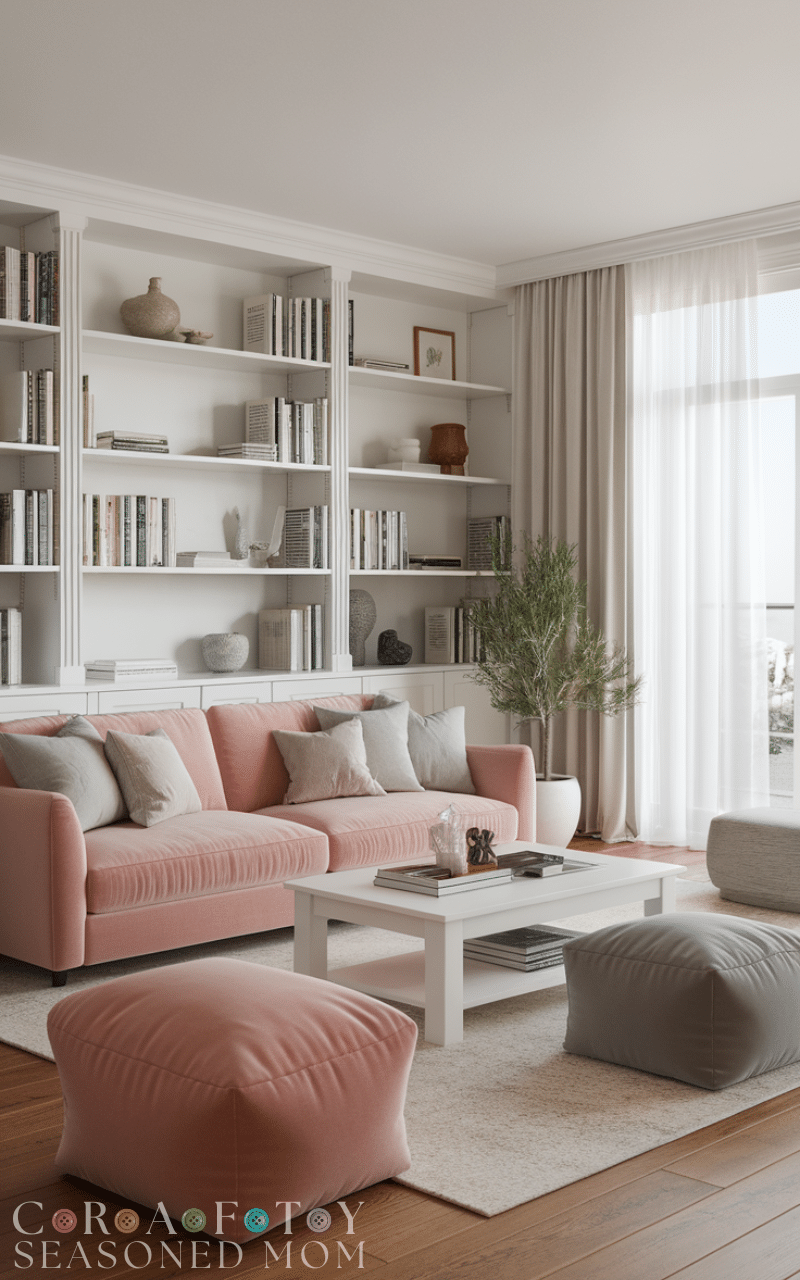
Shell pink offers a subtle blush tone inspired by seashell interiors, making it a unique addition to a coastal color guide. This delicate color works beautifully in bedrooms or reading nooks where softness is desired. In a coastal color guide, shell pink pairs wonderfully with whites and soft grays. It adds warmth without taking away from the airy feel. A touch of shell pink in your coastal color guide can make the space feel charming and gently romantic.
4. Misty Gray

Misty gray provides a cool, calming backdrop in a coastal color guide. This shade works particularly well in modern coastal interiors that lean slightly minimal. A coastal color guide often uses misty gray on walls to create subtle contrast against white trim and blue accents. It helps tone down brighter hues while maintaining a fresh and clean atmosphere. Including misty gray in your coastal color guide ensures your space feels balanced and sophisticated.
3. Ocean Teal

Ocean teal brings richness and depth to a coastal color guide while still honoring the seaside theme. This slightly darker blend of blue and green works well as an accent wall or statement piece. In a coastal color guide, ocean teal pairs beautifully with sandy neutrals and crisp whites. It adds dimension without overwhelming the room. By thoughtfully adding ocean teal to your coastal color guide, you create a bold yet harmonious design.
2. Weathered White
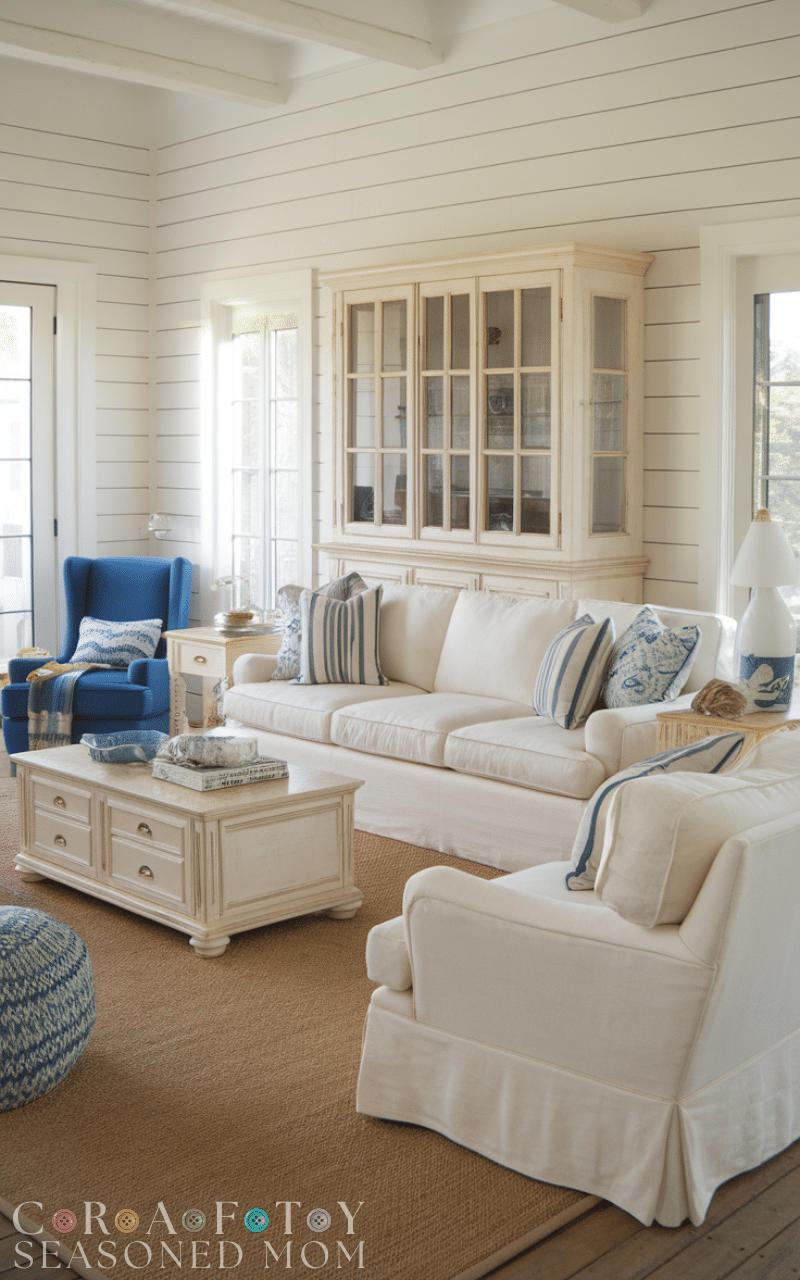
Weathered white offers a softer alternative to bright white in a coastal color guide. This shade has a slightly creamy undertone that feels relaxed and lived-in. A coastal color guide often includes weathered white for furniture or shiplap walls to create subtle warmth. It complements blues and beiges beautifully without appearing too stark. Choosing weathered white in your coastal color guide helps maintain brightness while adding comfort and character.
1. Deep Sea Blue

Deep sea blue is a dramatic and luxurious shade to complete your coastal color guide. Used sparingly, it adds richness and elegance to the palette. In a coastal color guide, deep sea blue works best for accent walls, cabinetry, or statement décor. It anchors lighter tones and creates visual interest. Adding deep sea blue to your coastal color guide ensures your home feels layered, stylish, and confidently inspired by the beauty of the ocean.
Conclusion: Transform Your Space with a Coastal Color Guide
A thoughtfully chosen coastal color guide can completely transform your home into a bright, relaxing retreat. By layering soft blues, sandy neutrals, crisp whites, and subtle accents, you create a balanced and timeless look that feels fresh year-round. Start small, experiment confidently, and let your coastal color guide reflect your personal style. If you enjoyed these ideas, subscribe to the blog for more easy, inspiring design tips and fresh home inspiration delivered straight to you.
