

I had become obsessed with the idea of having my own backyard chickens. The motivation wasn’t just about self-sufficiency; it was about achieving that incredible flavor I had only experienced with truly loved, spoiled hens, like those I had tasted in Finland.
That was my core problem: I wanted to know if I, a city resident with a medium-sized yard, could realistically raise chickens for both companionship and those superior, extra-yellow, almost orange yolks I craved, and if it was even worth the effort given the space constraints and neighborly relations.
My research into successful backyard chickens confirmed that the secret to the orange yolk is all about nutrition: a varied diet that includes grazing and insects, unlike the grain-only feed of factory farms. I also found practical advice that made my goal easier to achieve, like raising four chickens quietly in a small corner in my backyard, needing only about 40 square feet.
For temperament, I was excited by the idea of using Polish and Silkie hens, described as the “sweetest birds” that are great for companionship and very chill. Beyond eggs and pets, I was satisfied by the idea of using them for “mass tick murder,” helping to reduce the risk of Lyme disease in my yard and keep my backyard clutter-free.
My solution is to move forward with creating a small flock of backyard chickens, focusing on friendly breeds and making sure there is a varied diet for those coveted orange yolks.
I will make sure that my coop is secured even if the hens prefer sleeping on the walnut tree and will implement measures to keep them contained, minimizing the risk of them jumping the fence and causing issues with my neighbors (as others have experienced with animal control). By committing to these ideas below for a small flock, I can enjoy the dual benefit of companionship and the most flavorful eggs, all within the constraints of my city lot so my breakfast will have another taste.
17. Choosing the Right Spot for Backyard Chickens
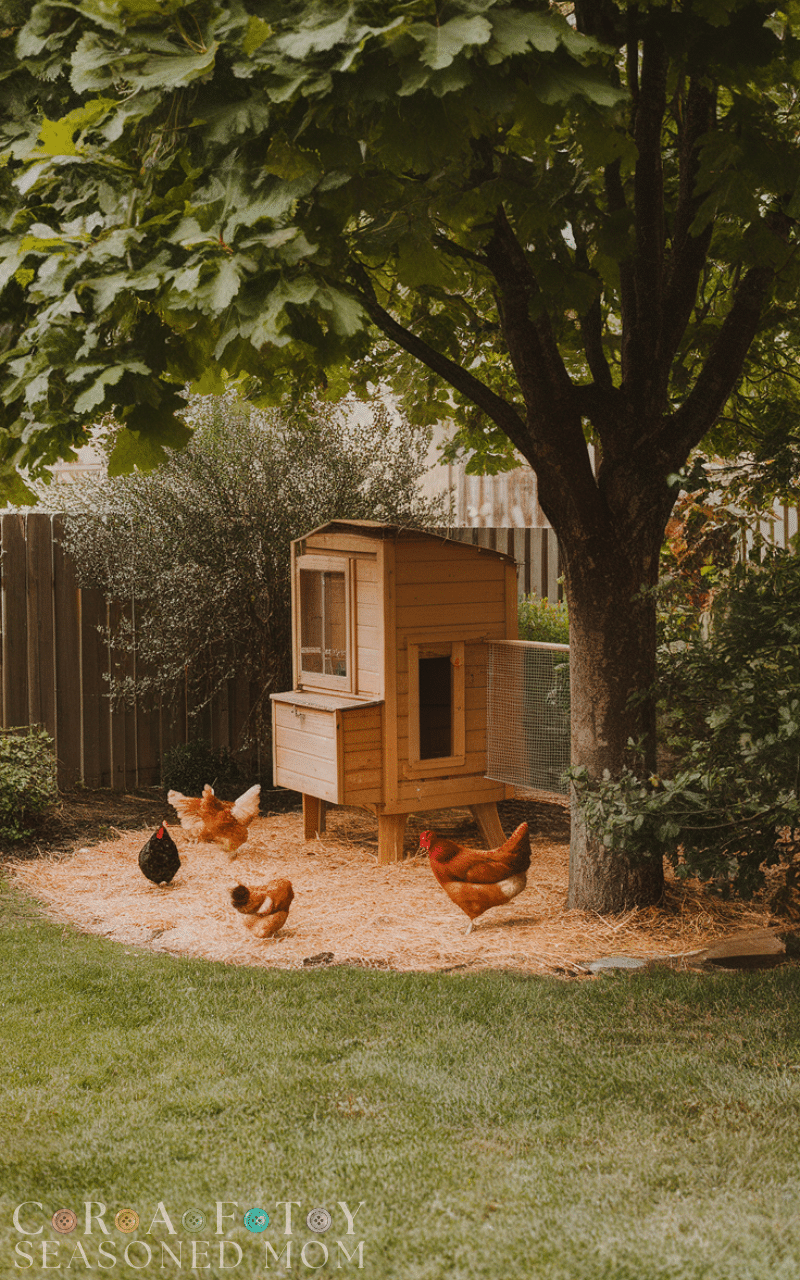
When choosing the right spot for backyard chickens, it is important that the area is quiet, shaded, and provides good ventilation. This helps the birds feel safe and significantly reduces their stress levels.
When chickens feel secure, they produce higher-quality eggs and maintain better overall health. Therefore, look for a location that is easy for you to access but can also be cleaned regularly to prevent the buildup of bacteria or pests.
16. Building a Safe Coop for Backyard Chickens
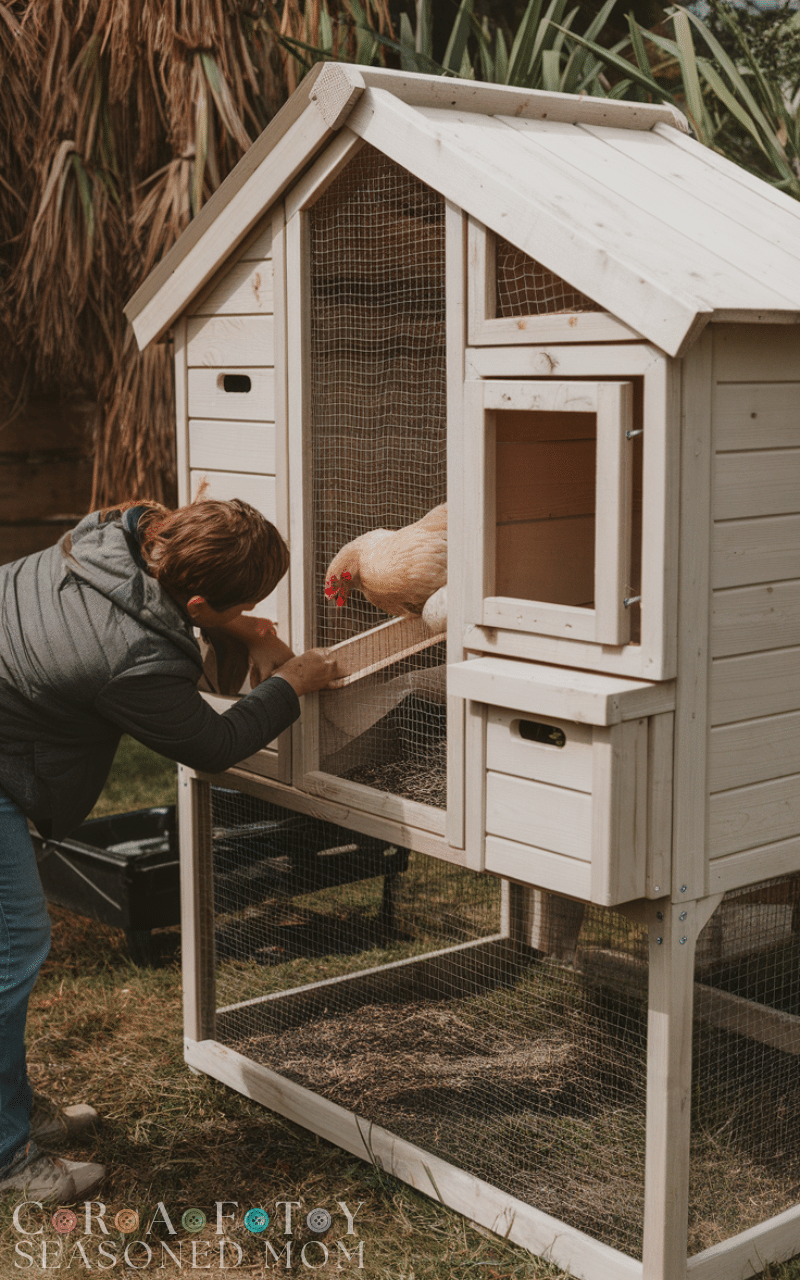
Building a safe coop for backyard chickens requires a design that includes sturdy roosts, private nesting boxes, and iron-clad protection from predators. Ventilation is equally vital because chickens need constant fresh air to prevent respiratory issues.
Proper airflow improves both their long-term health and consistent egg production. Additionally, digging a small trench around the perimeter of the coop to bury hardware cloth will prevent burrowing predators from digging their way inside.
15. Balanced Feeding for Backyard Chickens
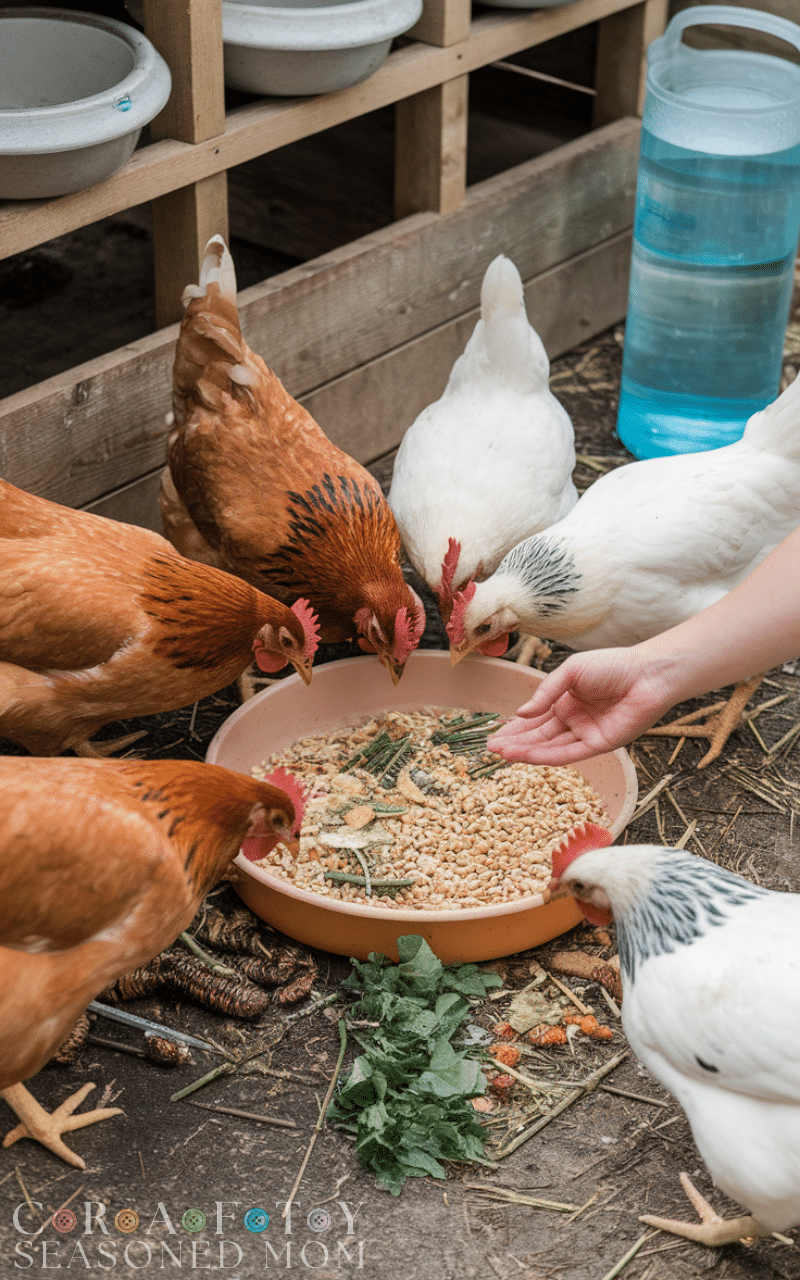
Feeding backyard chickens should include a high-quality commercial balanced feed supplemented by natural sources like fresh herbs and insects. This variety contributes to a robust immune system and richer egg yolks.
Providing clean drinking water at all times is also a non-negotiable part of their diet. A lack of water can cause a bird to stop laying eggs almost immediately and can lead to a dangerous drop in their energy levels.
14. Providing Clean Water All Day for Backyard Chickens
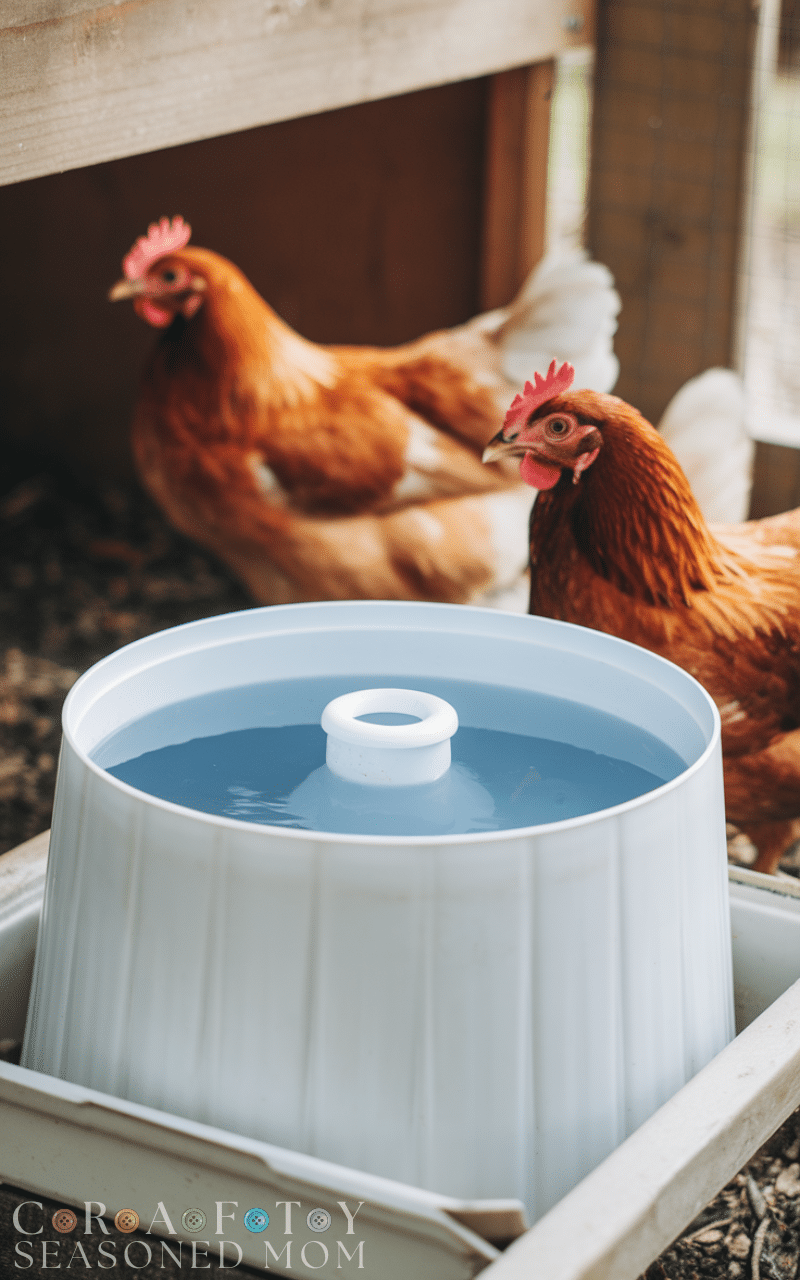
Providing clean water for backyard chickens all day is essential because a hen’s body is mostly water, and egg production is very taxing. Chickens may stop laying for several days if they experience even a short period of dehydration.
Ensure that your waterers or bowls are scrubbed regularly and protected from contamination like droppings or dirt. It is also important to protect the water from freezing in the winter or becoming too hot in the summer.
13. Ventilation and Regular Cleaning for Backyard Chickens
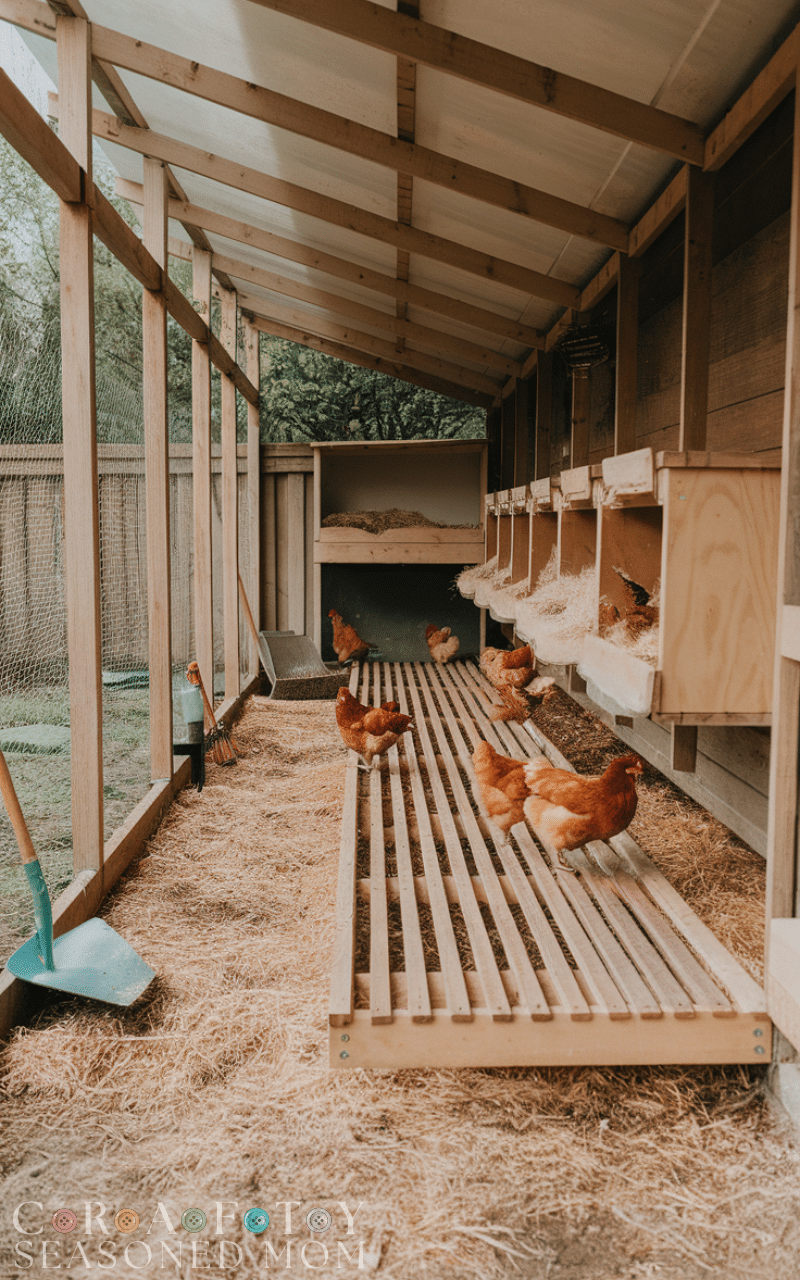
The coop plays a major role in flock health because poor air quality, high humidity, or built-up waste can lead to ammonia burns on their lungs. Regular maintenance is the best defense against these common poultry ailments.
Cleaning the coop frequently and refreshing the bedding creates a dry, healthy environment for the birds. A clean coop also reduces the presence of flies and unpleasant odors, making the hobby more enjoyable for you and your neighbors.
12. Giving Space to Roam and Play for Backyard Chickens
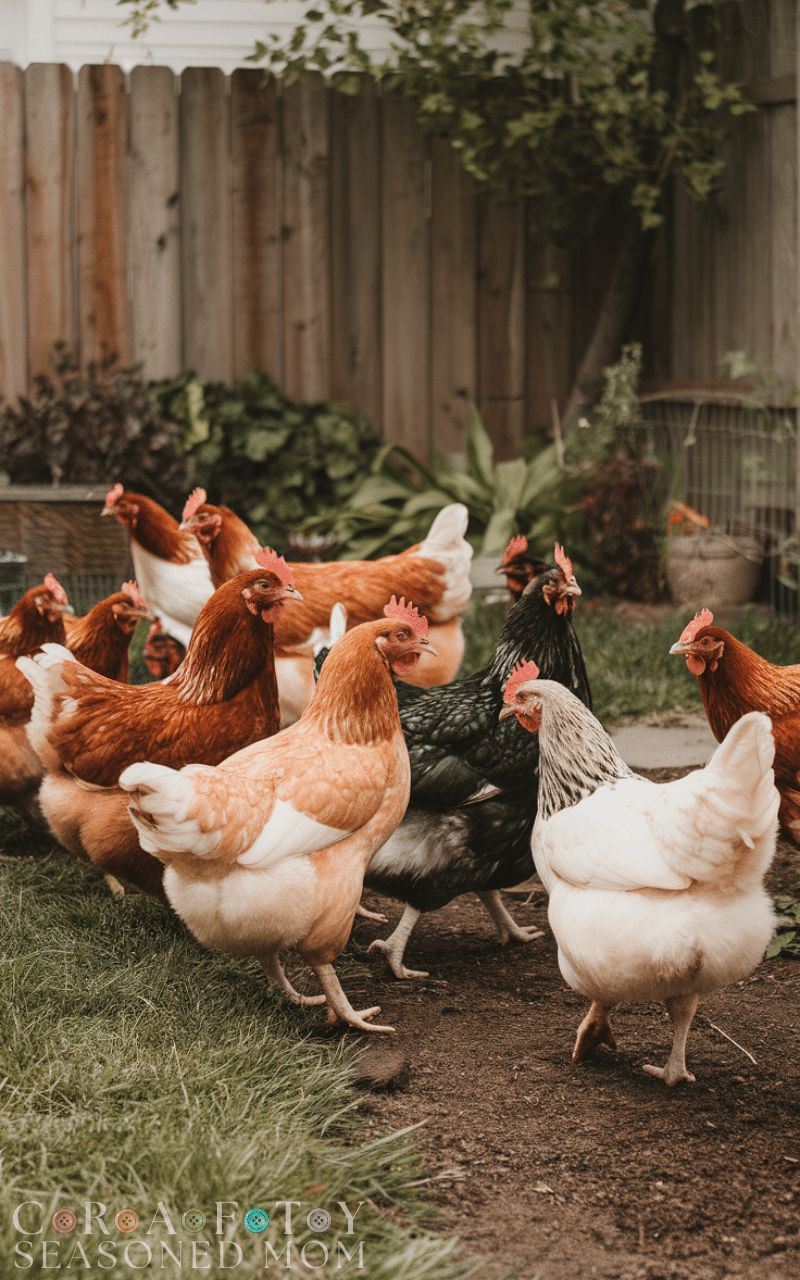
It is important to give backyard chickens a chance to roam, scratch, run, and peck as much as possible. This provides necessary physical exercise and the mental stimulation they need to prevent boredom.
A happy environment leads to a more peaceful flock. Birds that are constantly confined or under-stimulated are much more likely to develop behavioral problems, such as feather picking or aggression toward one another.
11. Creating a Dust Bath Area for Backyard Chickens
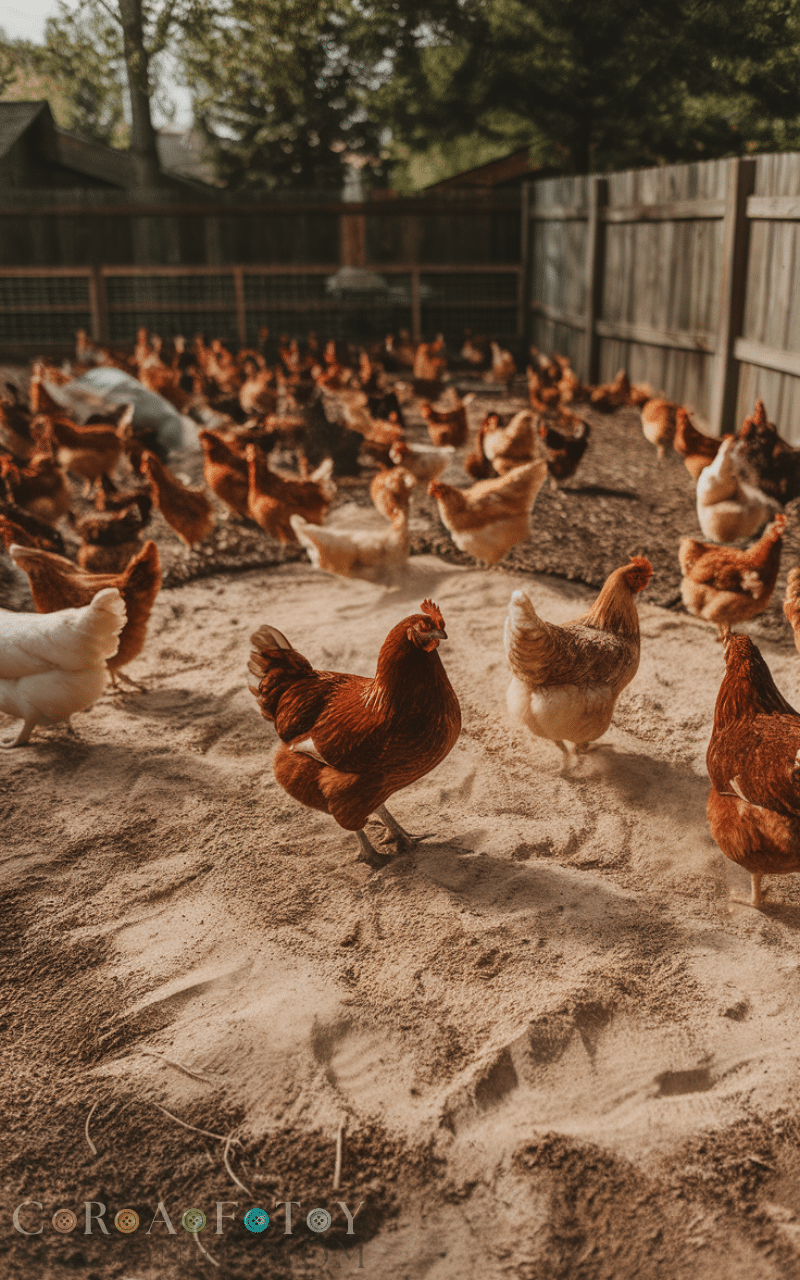
Chickens love to take dust baths, as this is their natural way of staying clean and getting rid of external parasites. Providing a dedicated dust bath area for backyard chickens can greatly reduce problems with lice and mites.
This area can be as simple as a patch of dry soil or a large tub filled with sand and a bit of wood ash. This mixture is safe, effective, and keeps their feathers in top condition without the need for chemical treatments.
10. Protecting the Flock from Predators and Disease
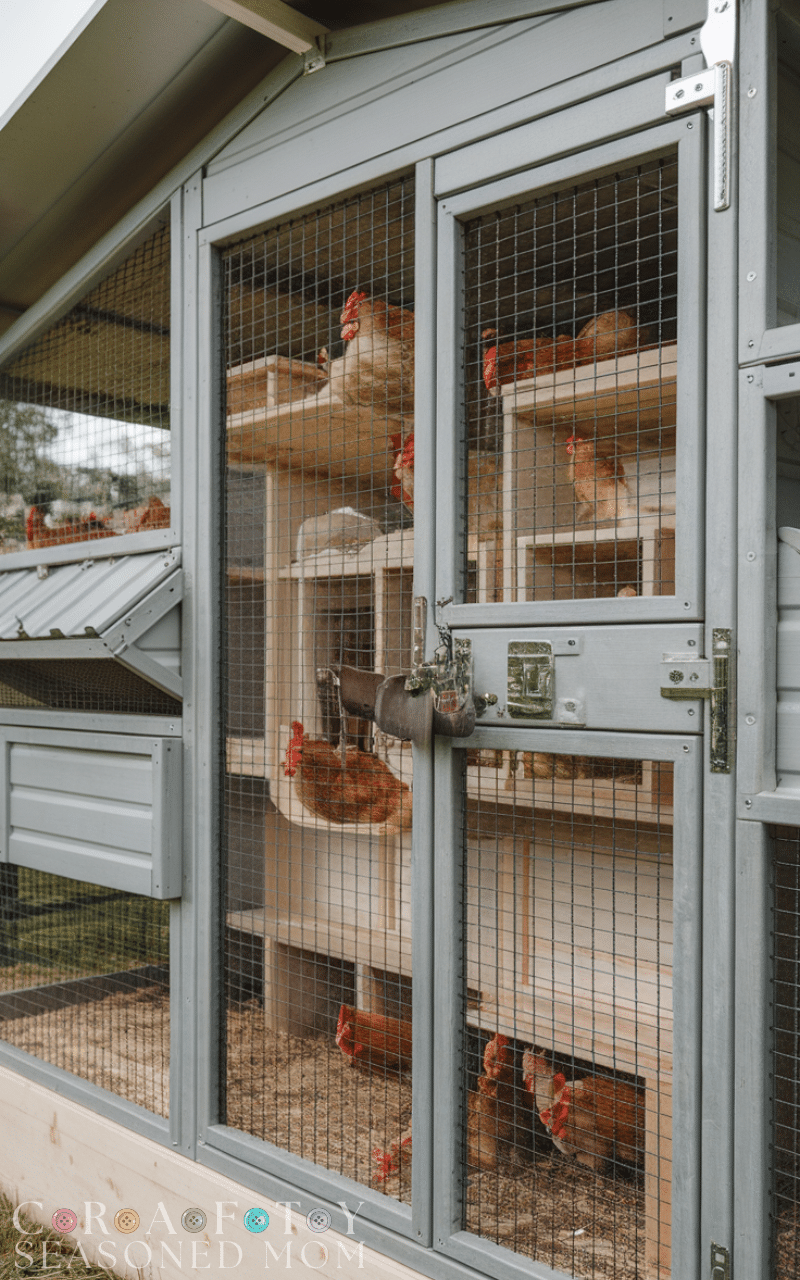
Protection is the most critical responsibility for a chicken keeper. It is not enough to just build a wooden shed; you must secure it against clever predators like foxes, neighborhood cats, and birds of prey.
You must also prevent rodents or snakes from entering the coop area. Rodents often steal feed and can attract snakes, which may prey on eggs or young chicks, so keep your feed stored in metal, airtight containers.
9. Choosing the Right Breed for Backyard Chickens
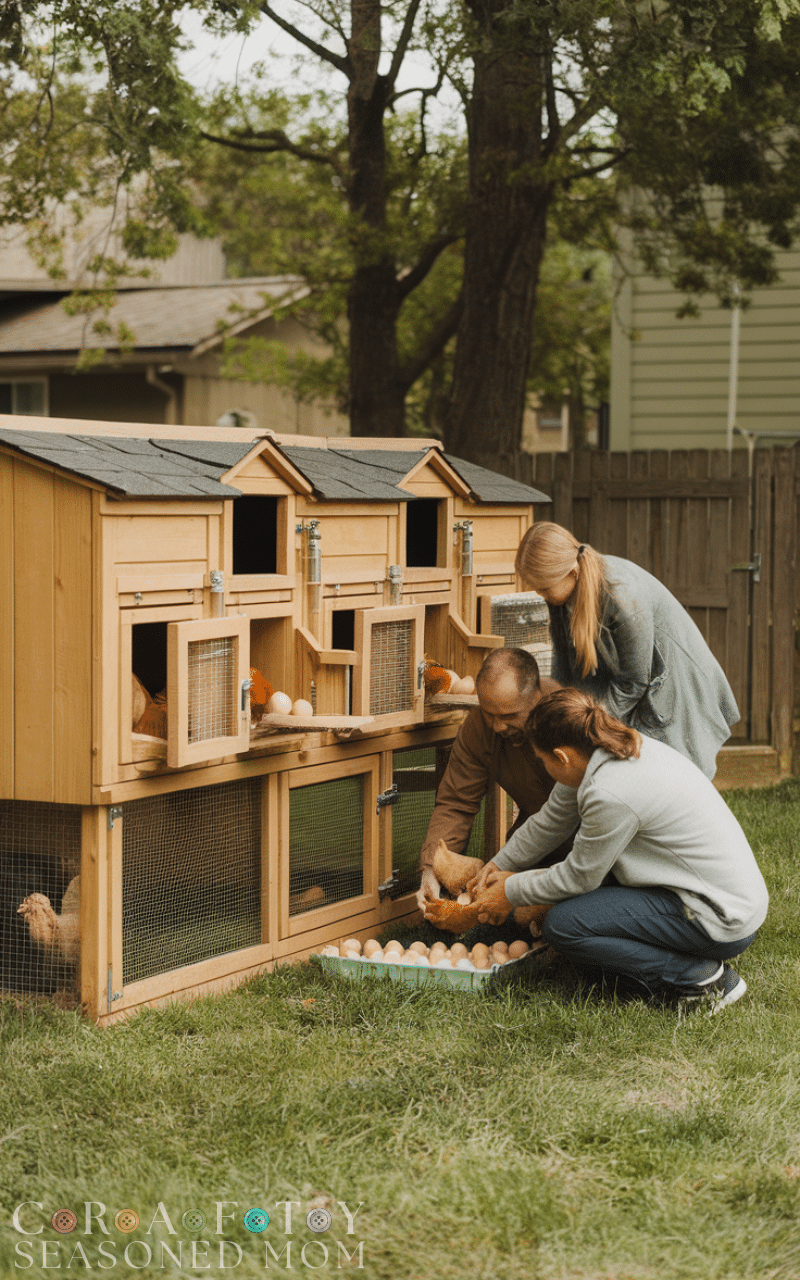
Choosing the right breed for backyard chickens means considering your primary goals, whether that is high egg production, meat, or a friendly pet. Some breeds are more resilient to extreme heat or cold than others.
Before buying chicks, make sure the breed fits the climate and the specific conditions available in your yard. Some breeds are more active and need more space, while others are calmer and do better in smaller enclosures.
8. Introducing New Birds Carefully to the Flock
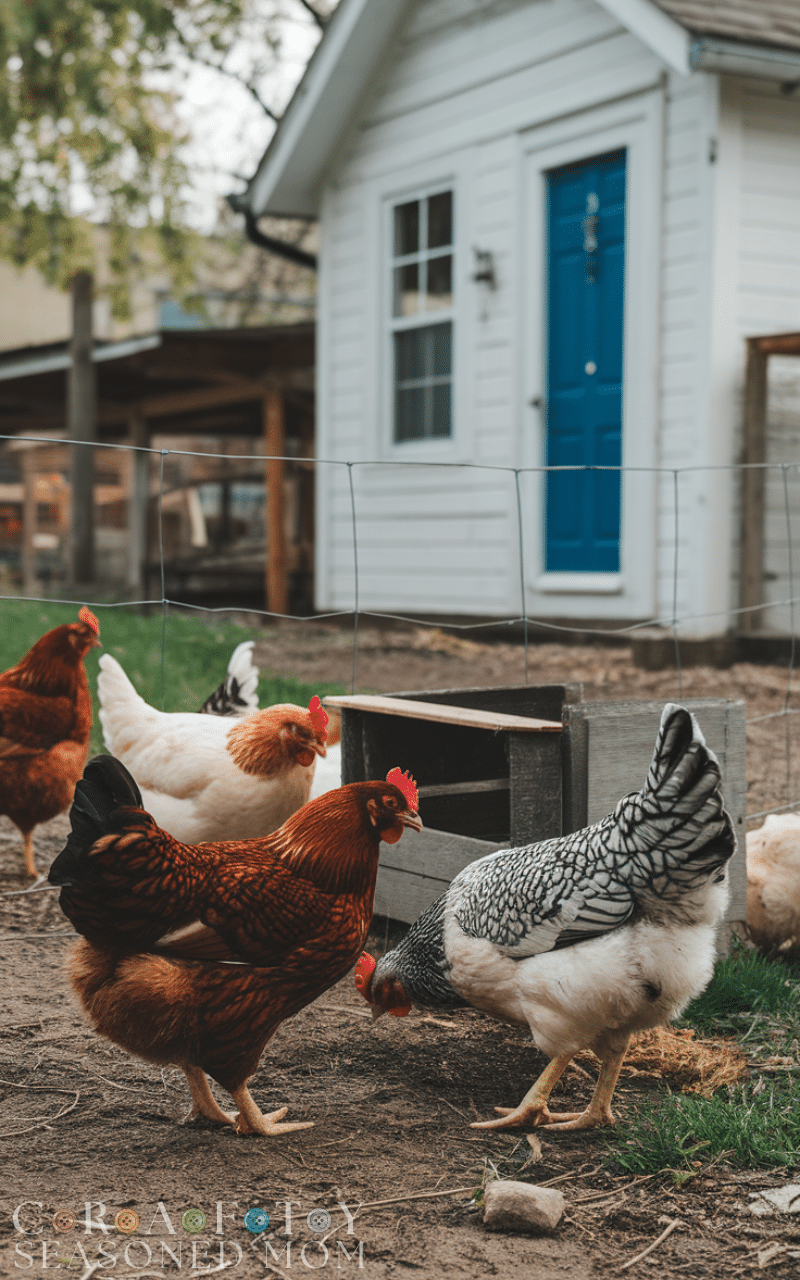
When adding new members to the flock, it is best to quarantine the newcomers for at least two weeks. This allows you to observe them for signs of illness and prevents the spread of disease to your established birds.
After the quarantine, allow the birds to see each other through a fence before physical contact. This gradual introduction reduces bullying and allows the flock hierarchy to adjust with minimal stress.
7. Monitoring Egg Laying and Production
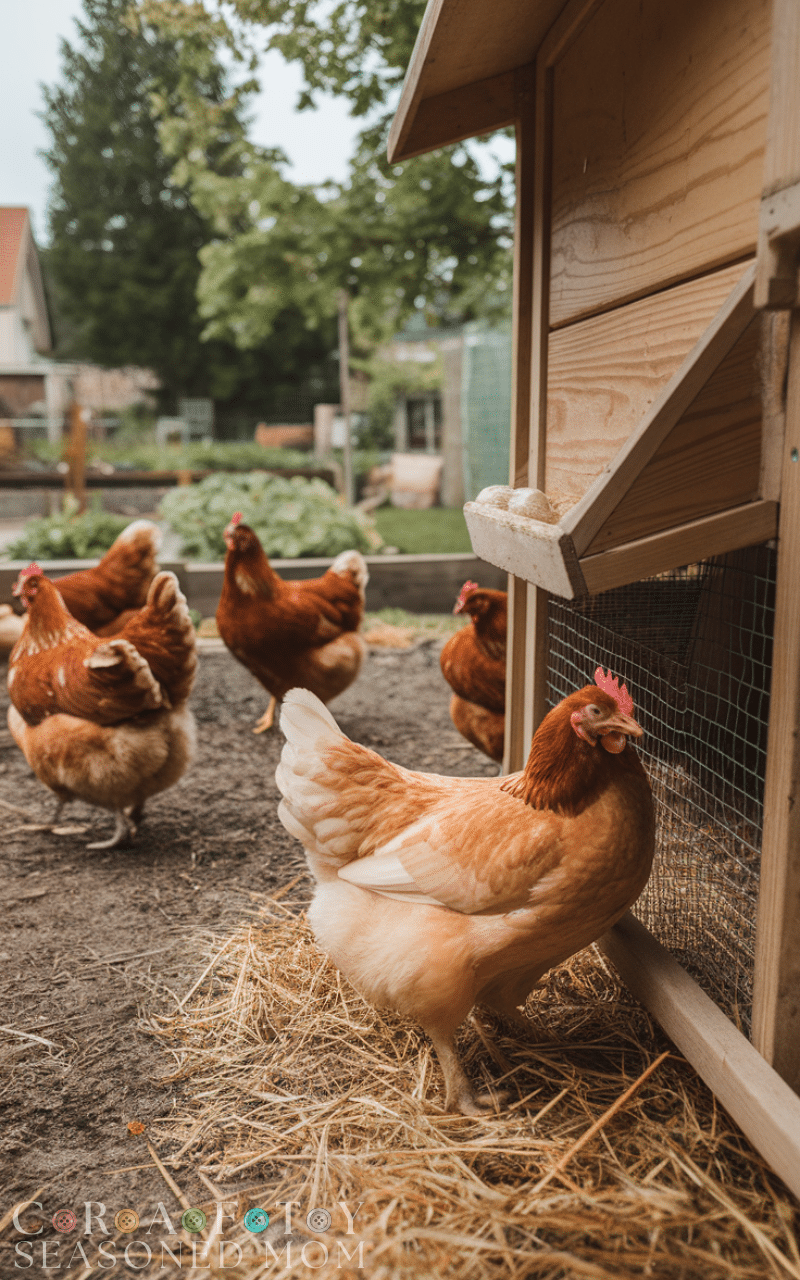
Watching the egg-laying habits of your backyard chickens provides early signals of potential health problems. If you notice a sudden drop in production or changes in the texture of the shell, it is time to investigate.
Check their feed, their environment, and their physical appearance immediately. Early attention to these small changes can prevent larger, more expensive health issues from affecting the whole flock.
6. Integrating Chickens into the Garden Carefully
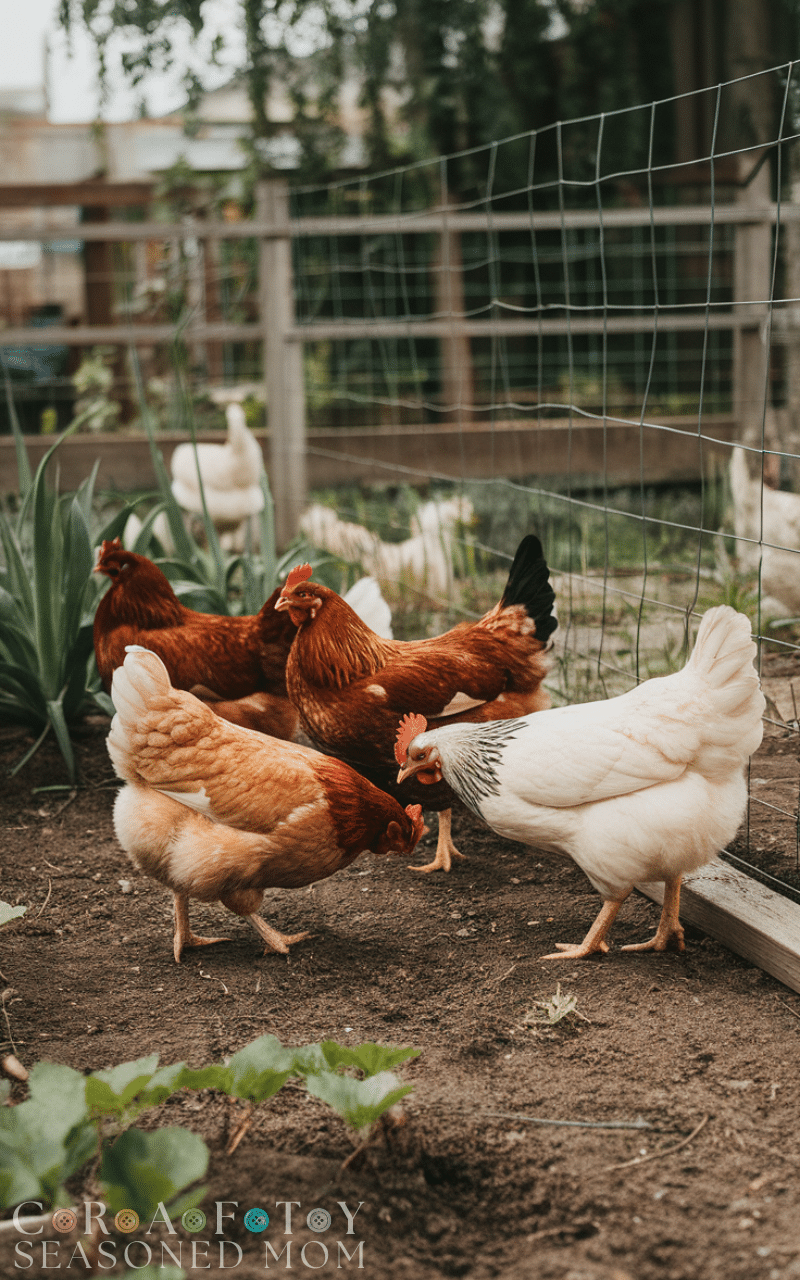
If you want backyard chickens to be part of your garden, it must be done with careful planning. Chickens are natural tillers and will quickly dig up delicate seedlings, mulch, or expensive landscape plants.
It is often better to create a fenced run near the garden or use a “chicken tractor” (a portable coop) to control where they roam. This allows them to eat pests and provide fertilizer without destroying your favorite flowers.
5. Managing Extreme Weather for Backyard Chickens
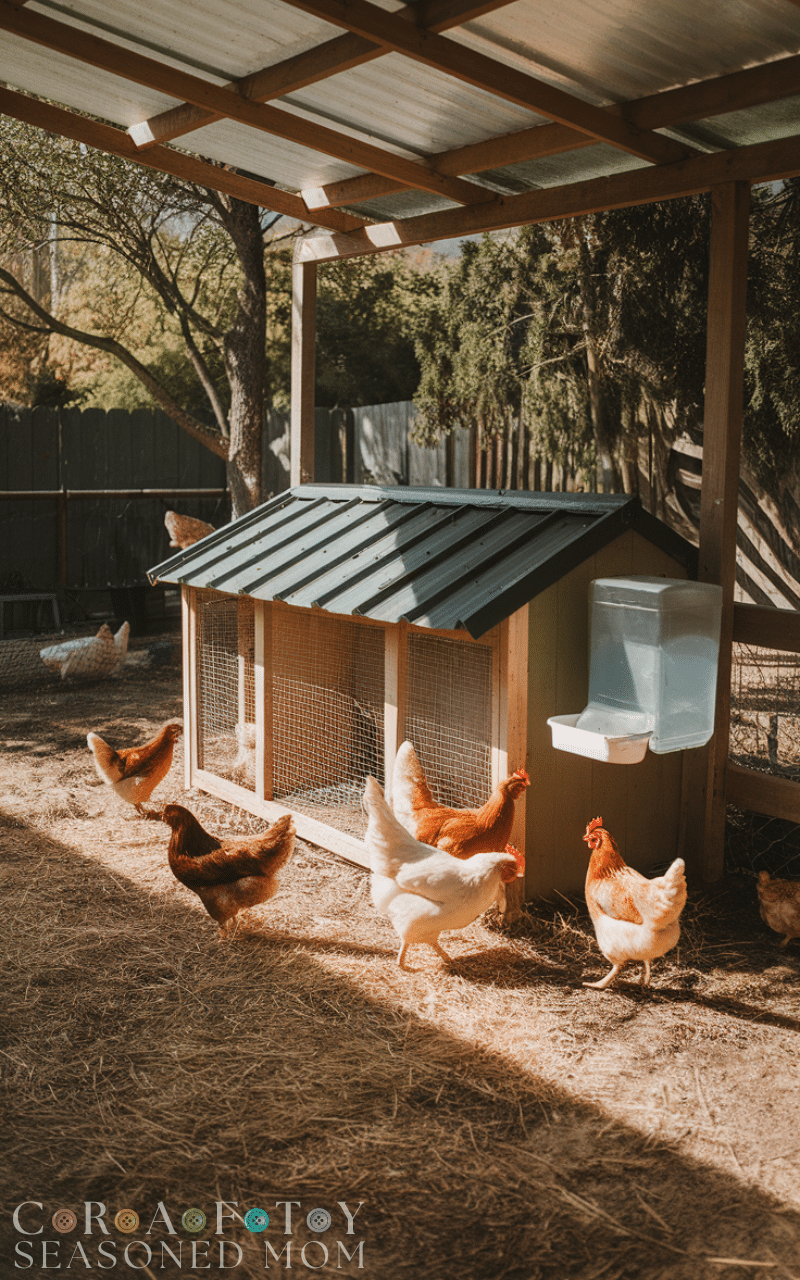
During periods of extreme weather, backyard chickens require extra intervention. In the cold, you must protect them from wind and dampness, while in the heat, you must provide deep shade and cool water.
Proper ventilation remains crucial even in winter to prevent moisture buildup, which causes frostbite. Keeping them comfortable ensures they remain active, healthy, and productive throughout the year.
4. Daily Cleaning and Health Checks for Backyard Chickens
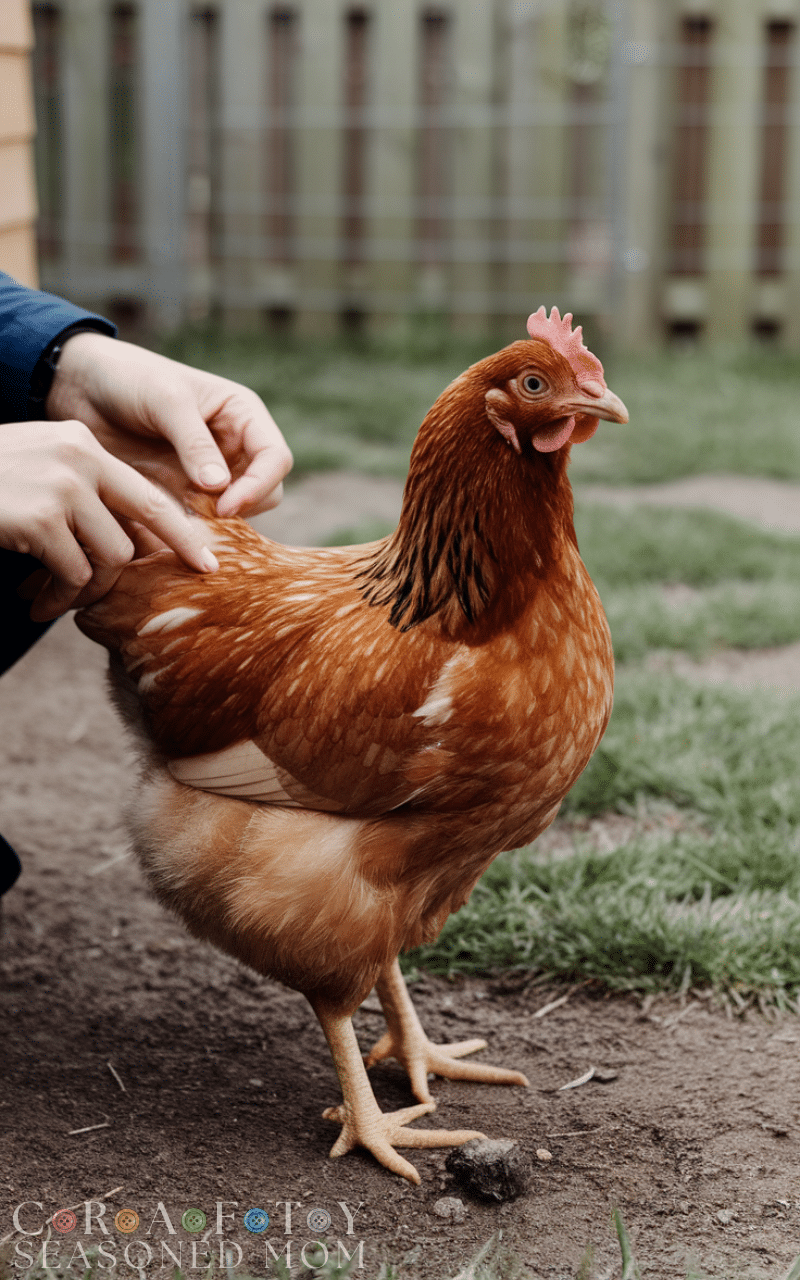
Daily monitoring is the key to a successful flock. Take a few minutes each day to check their activity levels, the condition of their feathers, and the clarity of their eyes.
If you notice unusual behavior, such as a hen acting depressed or isolating herself, act immediately. Separating a sick bird from the rest of the flock can prevent a minor issue from becoming a major outbreak.
3. Turning Chicken Waste into Natural Fertilizer
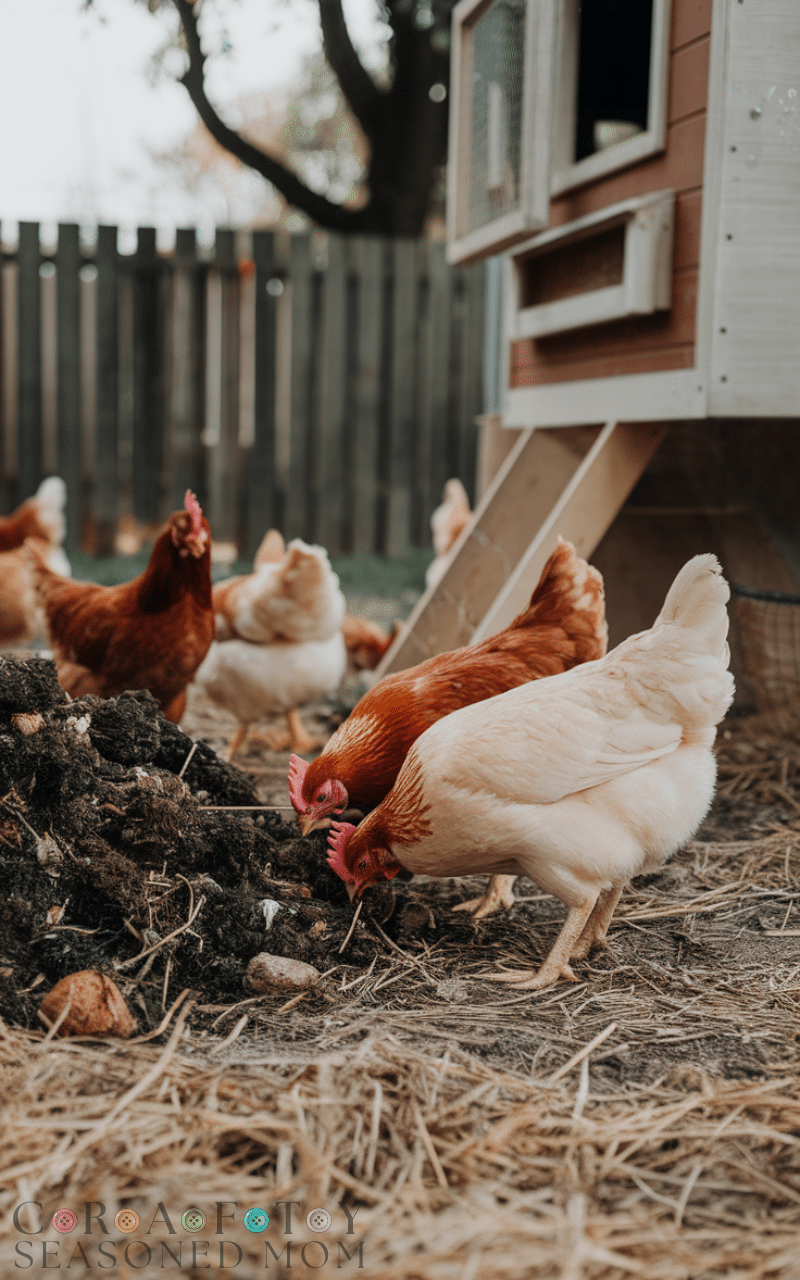
Backyard chickens produce valuable waste that can be turned into high-quality compost for your garden. Chicken manure is “hot” and high in nitrogen, so it must be composted before being applied to plants.
Creating this nutrient-rich soil closes the loop of sustainability in your backyard. Just ensure that the composting process is managed properly to avoid attracting unwanted rodents or pathogens.
2. Balancing Free Time and Routine for Backyard Chickens
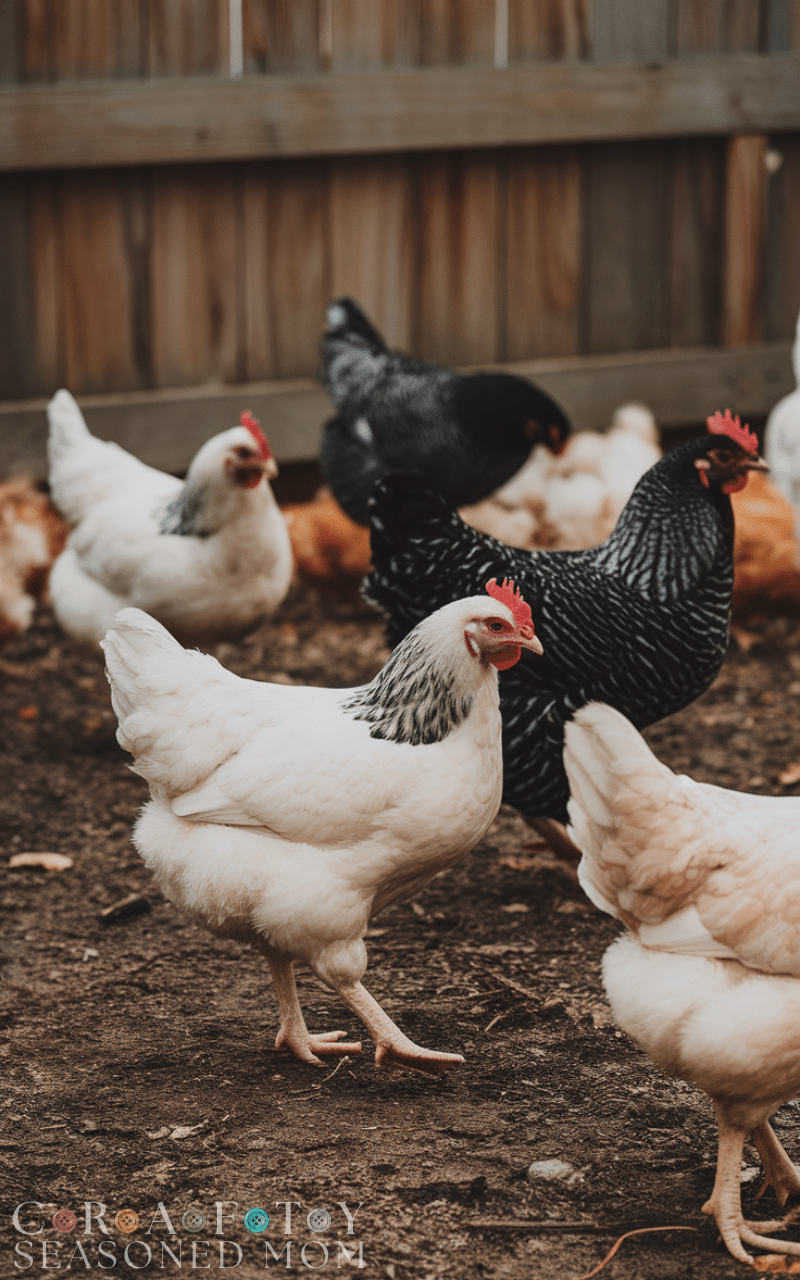
Maintaining a consistent routine is important for chickens, as they are creatures of habit. They thrive when they know exactly when they will be let out to roam and when they will be tucked in for the night.
Allowing them scheduled time to scratch and explore balances their activity and keeps them mentally sharp. A predictable routine also makes it much easier for you to manage the flock and perform daily chores.
1. Enjoying Your Backyard Chickens and Fresh Eggs
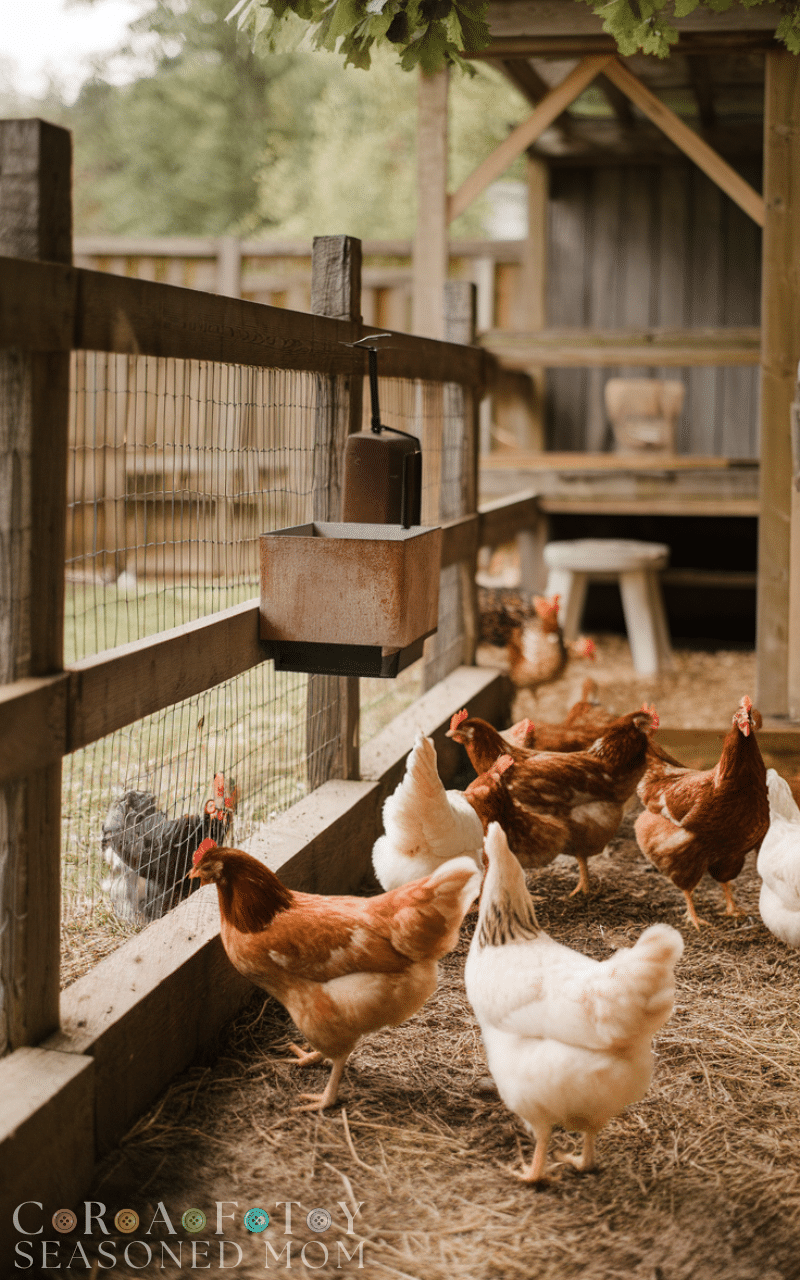
Finally, remember to simply enjoy your time with your flock. They add a unique sense of life to your yard, provide the freshest eggs possible, and offer a peaceful touch of nature to your daily life.
Watching their social interactions and quirky personalities is a priceless experience. When you put in the effort to keep them healthy, they reward you with companionship and a sustainable source of food for your family.
Conclusion
Raising backyard chickens is an ongoing learning process that brings immense satisfaction to any homeowner. By following these foundational tips, you are well on your way to maintaining a happy, healthy, and productive flock.
