

Creating a cozy home for a crawling baby is a top priority, but finding the right Rug Placement Tips becomes a major headache when your living room has an awkward layout. Many homeowners struggle when a fireplace is perfectly centered, but a large entryway forces the sofa to be off-center, making any standard rug placement look “wonky”.
You might find yourself paralyzed by design “rules,” worrying if having a rug corner tucked under a TV stand is a major faux pas or if pulling the rug away from the couch—perhaps for sensory reasons or to make rolling a laptop stand easier—is a total design “no-no”.
While you’re navigating these internal and external design pressures, you might also be considering how to complement your existing decor, which is why I mentioned my article about 15 Beautiful Paint Colors Honey Oak Pairs Ideas to help tie the whole room together.
The problem often deepens when you seek advice online and receive conflicting opinions or feel overwhelmed by the “correct” way to handle angled walls and furniture proportions.
Some may insist on an 8″ rule for rug extension, while others suggest that as long as the front legs of the sofa are on the rug, you can pull it forward or back to suit the unique needs of your space. There is also the dilemma of accessory placement, such as whether putting poufs in front of a TV is “wrong” even if it helps the room feel less empty and more aesthetically pleasing from the kitchen.
The solution is to remember that while design guides provide a helpful foundation, the most important thing is how the space functions. Instead of getting stuck, consider trying an 8×10 rug pulled under the sectional legs to ground the space without touching the walls like a 9×12 would.
You can play around with lightweight items, tucking them away when necessary and bringing them out for aesthetics. Ultimately, the “right” placement is the one that accommodates your sensory needs and lifestyle, as every home features unique proportions that require a bit of creative rule-breaking.
15. Always Go Bigger Than You Think
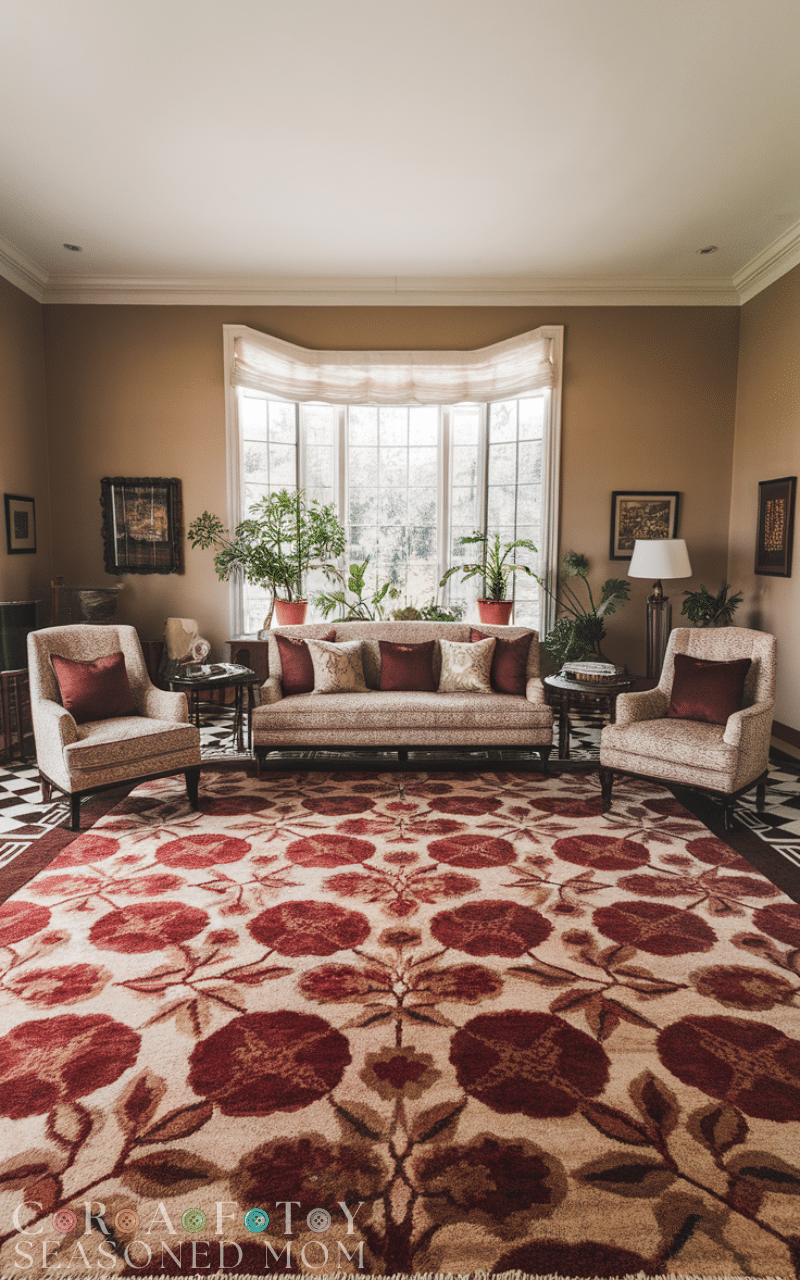
One of the most important rug placement tips is to choose a rug that’s slightly larger than you initially plan. Small rugs can make a room feel disconnected and unfinished. A larger rug anchors furniture and creates a cohesive look. In living rooms, make sure at least the front legs of sofas and chairs sit on the rug. Oversized rugs visually expand the space and make everything feel intentional and well-designed.
14. Anchor the Living Room Furniture
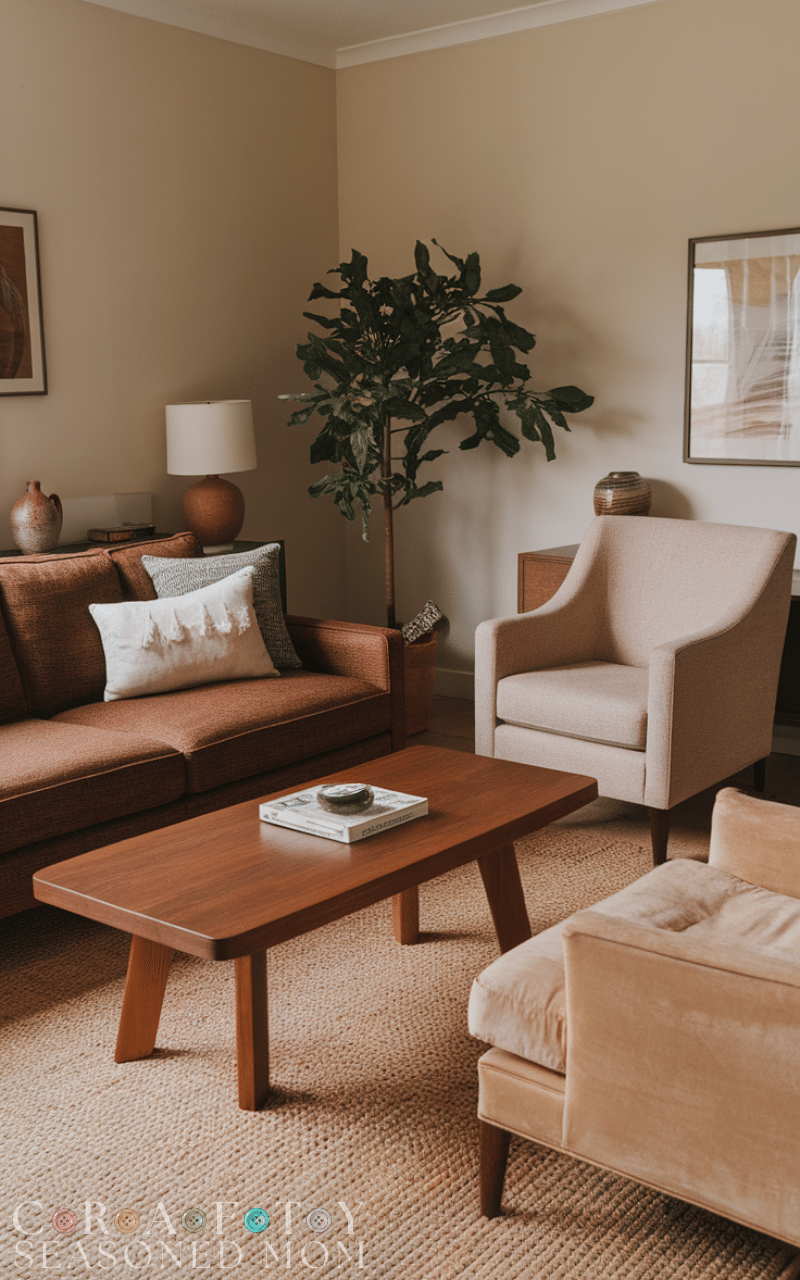
When applying rug placement tips in the living room, avoid placing a rug that floats alone in the center. The rug should connect your furniture. Ideally, all major pieces should sit fully or partially on it. This creates unity and structure. A properly anchored rug makes the seating area feel complete and welcoming rather than scattered or awkward.
13. Leave Equal Floor Space Around the Edges
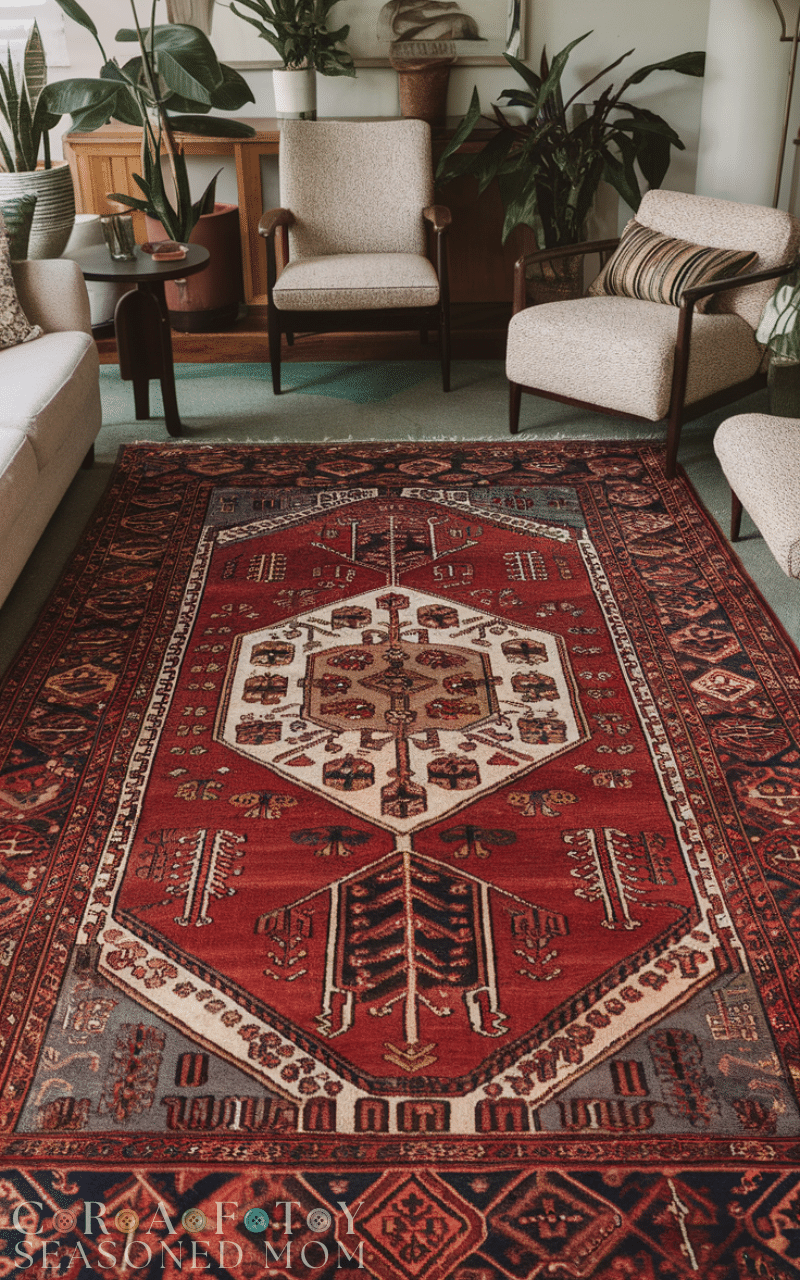
Balanced spacing is key when following rug placement tips. Leave about 20 to 30 centimeters of visible flooring around the rug in medium-sized rooms. This framing effect keeps the room from feeling cramped. In smaller rooms, you can leave slightly less space. Even borders around the rug create harmony and symmetry.
12. Place Rugs Properly Under Dining Tables
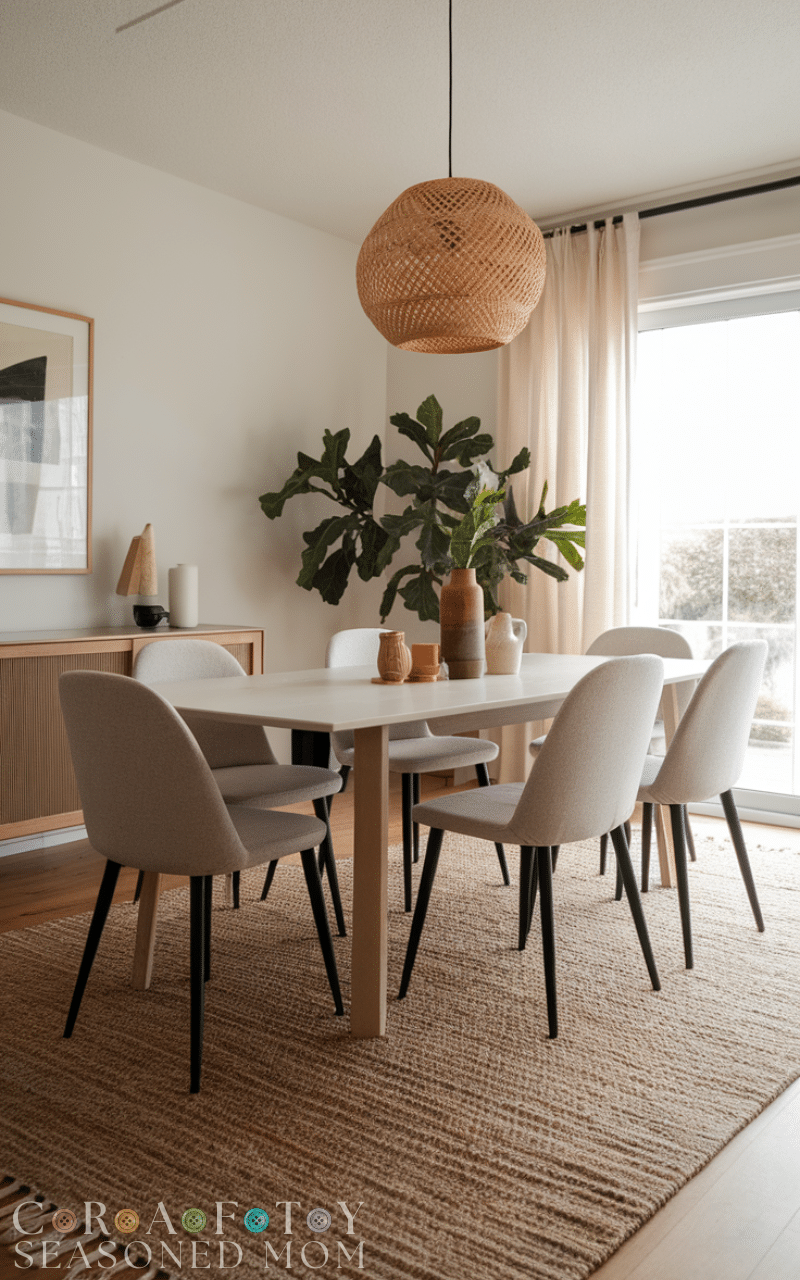
Dining room rug placement tips focus on practicality. The rug should extend at least 60 centimeters beyond the table on all sides. This allows chairs to slide out comfortably without catching the edges. Choose a durable, easy-to-clean material. Proper sizing ensures both comfort and style while keeping the space functional.
11. Use Runners in Narrow Spaces
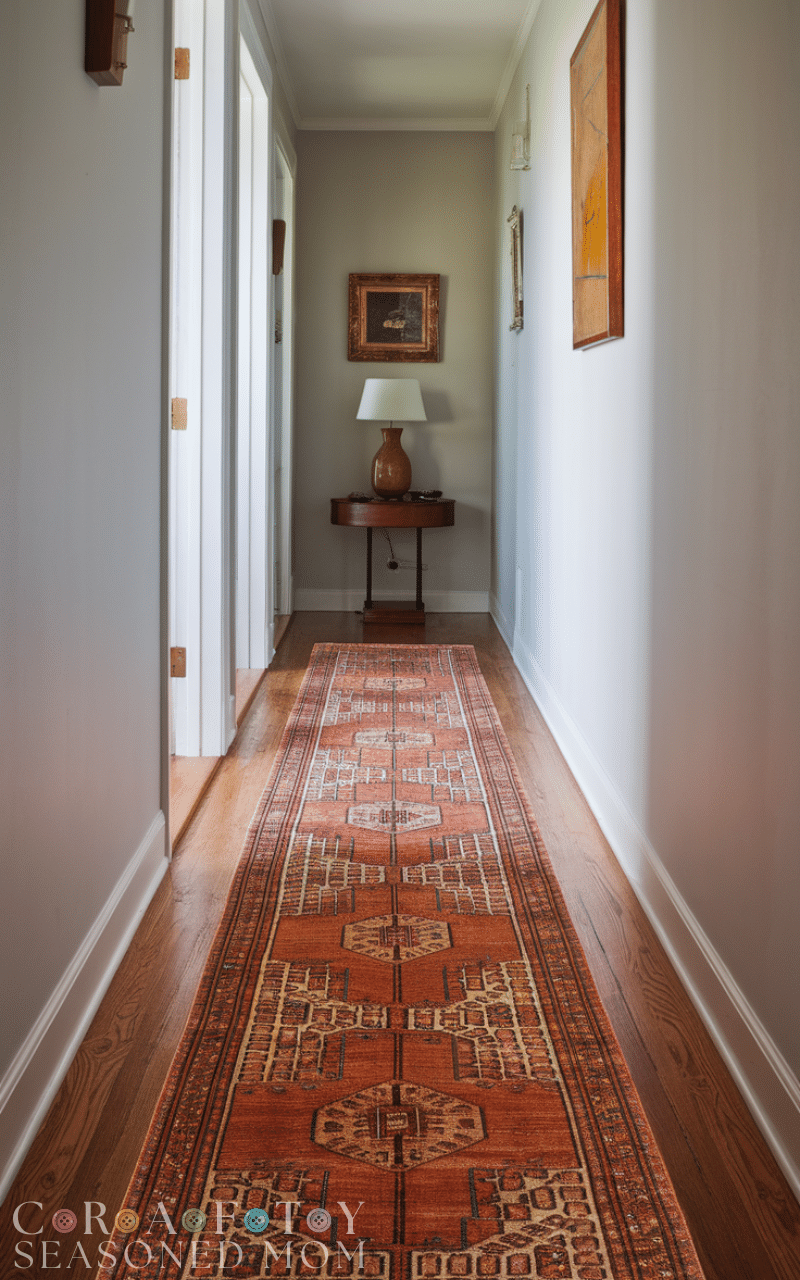
Hallways and entryways benefit from runner rugs. These rug placement tips help define long, narrow areas while adding warmth. Leave a few centimeters of floor visible on each side to maintain balance. Runners protect flooring and guide the eye naturally through the space.
10. Frame the Bed Correctly
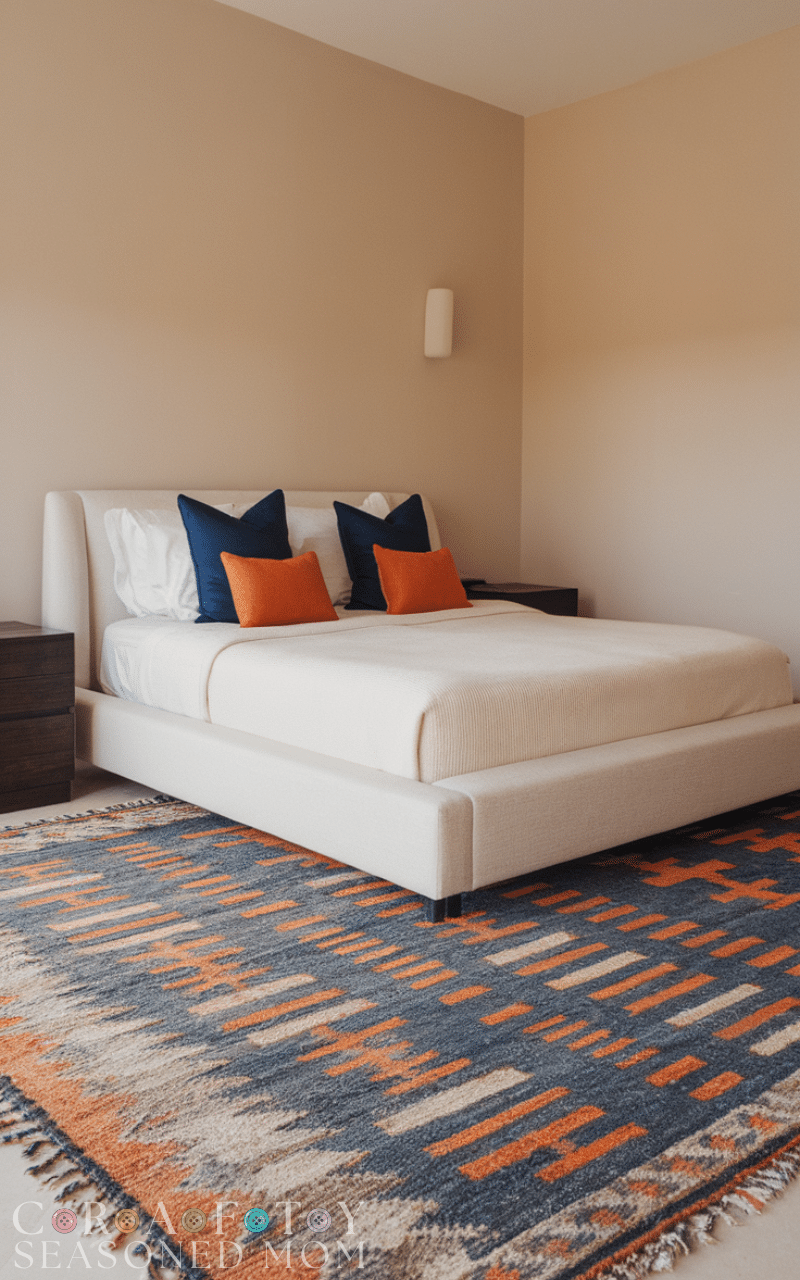
Bedroom rug placement tips can dramatically improve comfort and design. A large rug should extend under the lower two-thirds of the bed, leaving equal space on both sides. This gives a soft landing when you step out of bed. Alternatively, place two smaller rugs on each side for a budget-friendly option that still feels stylish.
9. Layer Rugs for Texture
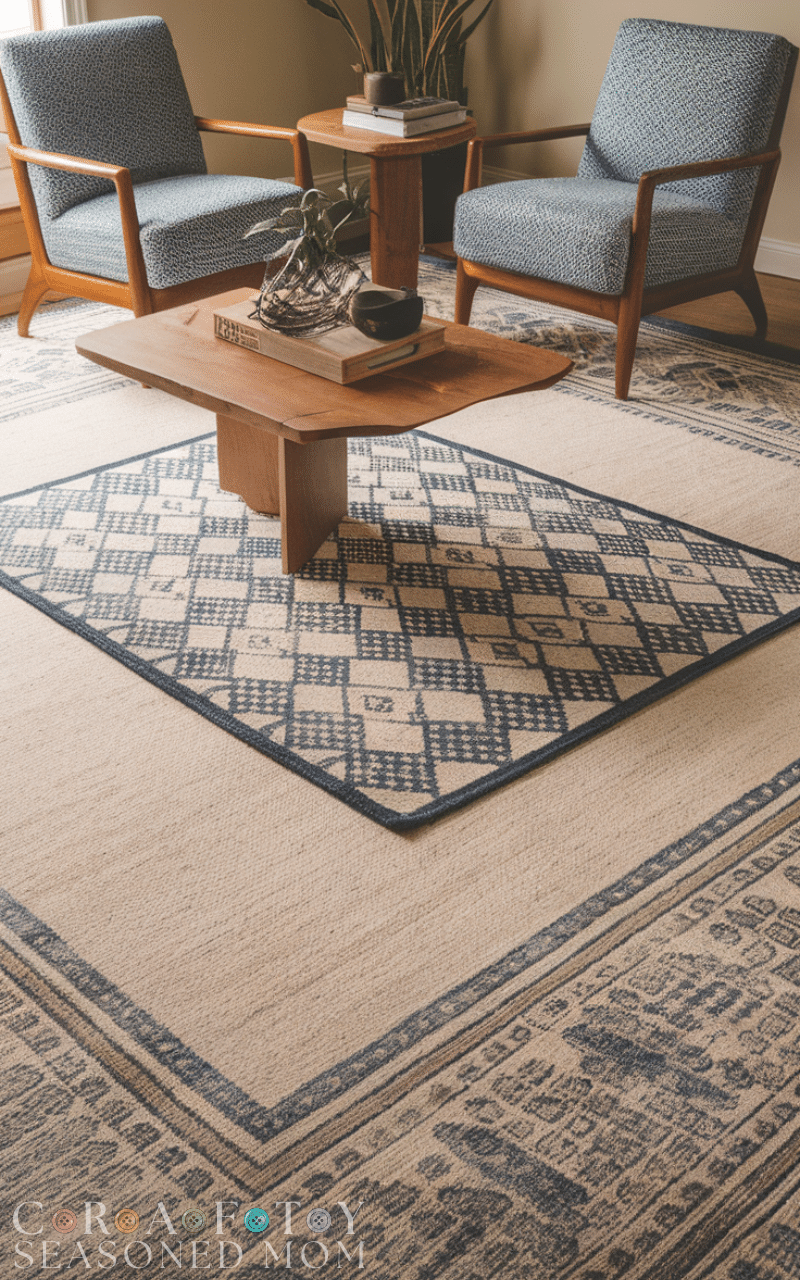
Layering is one of the trendiest rug placement tips. Place a smaller patterned rug over a larger neutral one to add depth and personality. This works especially well in living rooms and bedrooms. Layering creates visual interest and makes the space feel cozy without overwhelming it.
8. Match the Rug to the Room Shape
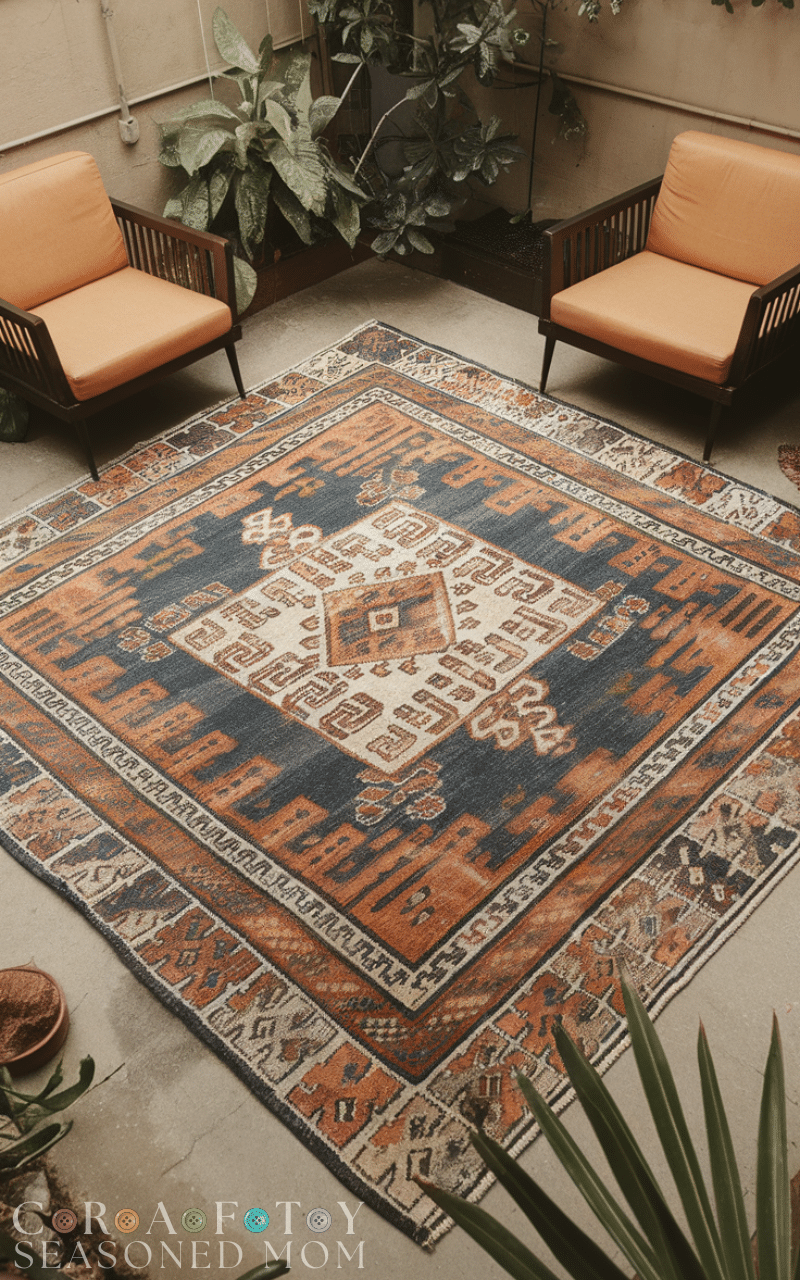
Your rug should complement the shape of the room. Square rooms often look best with square or large rectangular rugs. Round rugs soften spaces and work beautifully under round tables or in nurseries. These rug placement tips help maintain visual balance and flow.
7. Keep Rugs Away from Walls in Large Rooms
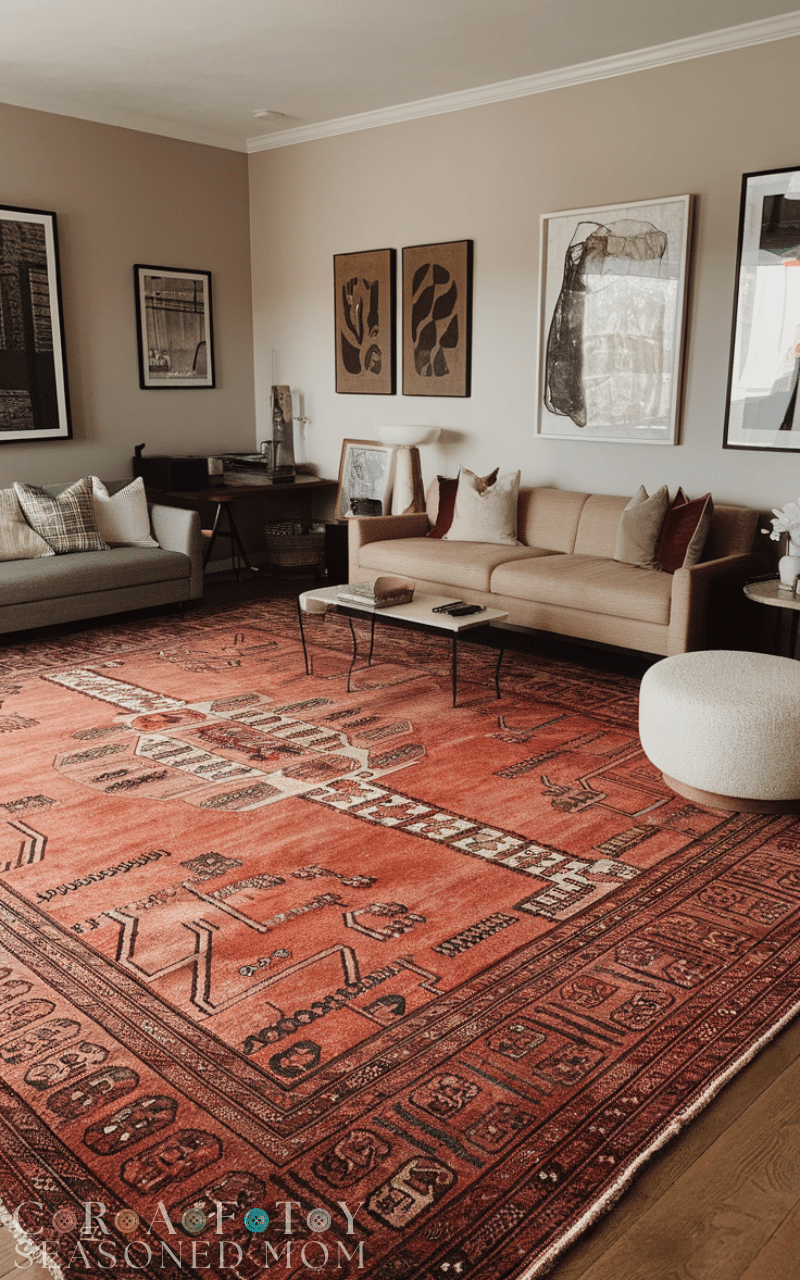
In larger spaces, avoid pushing rugs directly against walls. Floating the rug slightly inward makes the room feel more curated and intentional. These rug placement tips prevent the space from feeling too formal or stiff while maintaining elegance.
6. Highlight a Focal Point
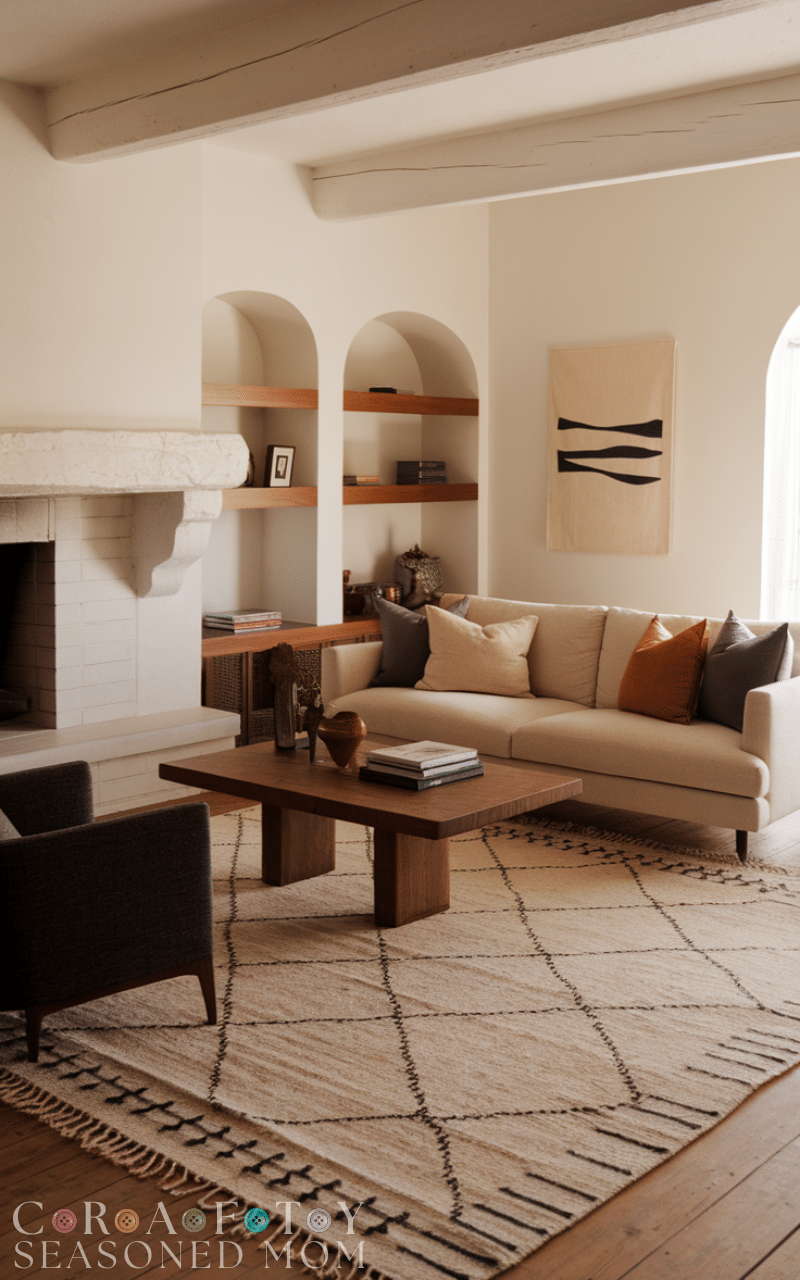
Use rugs to emphasize a focal point like a fireplace or seating area. Smart rug placement tips help draw attention to the most important feature of the room. Position the rug so it frames the area naturally, enhancing the layout instead of competing with it.
5. Consider Traffic Flow
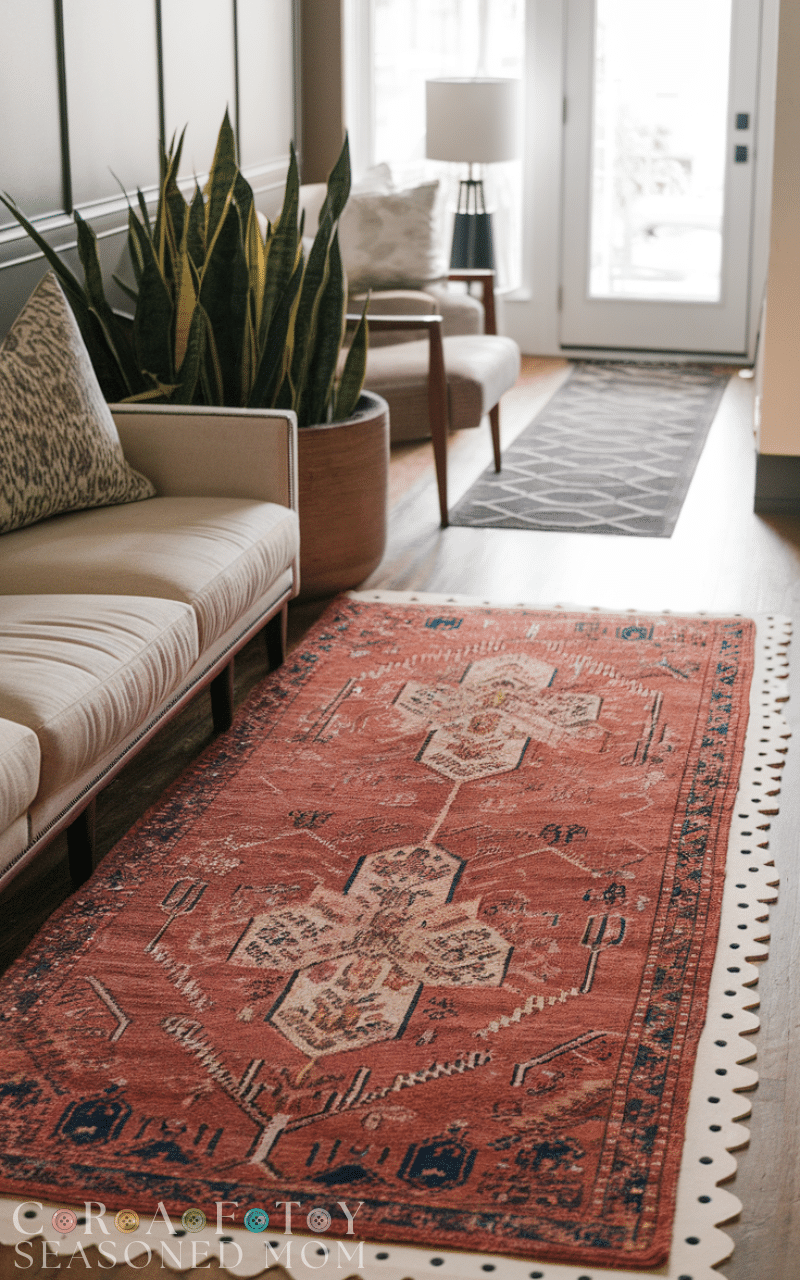
High-traffic areas require thoughtful planning. Rug placement tips suggest choosing durable materials and securing edges to avoid tripping. Make sure pathways remain clear and natural. Rugs should enhance movement, not interrupt it.
4. Use Rugs to Define Open Spaces
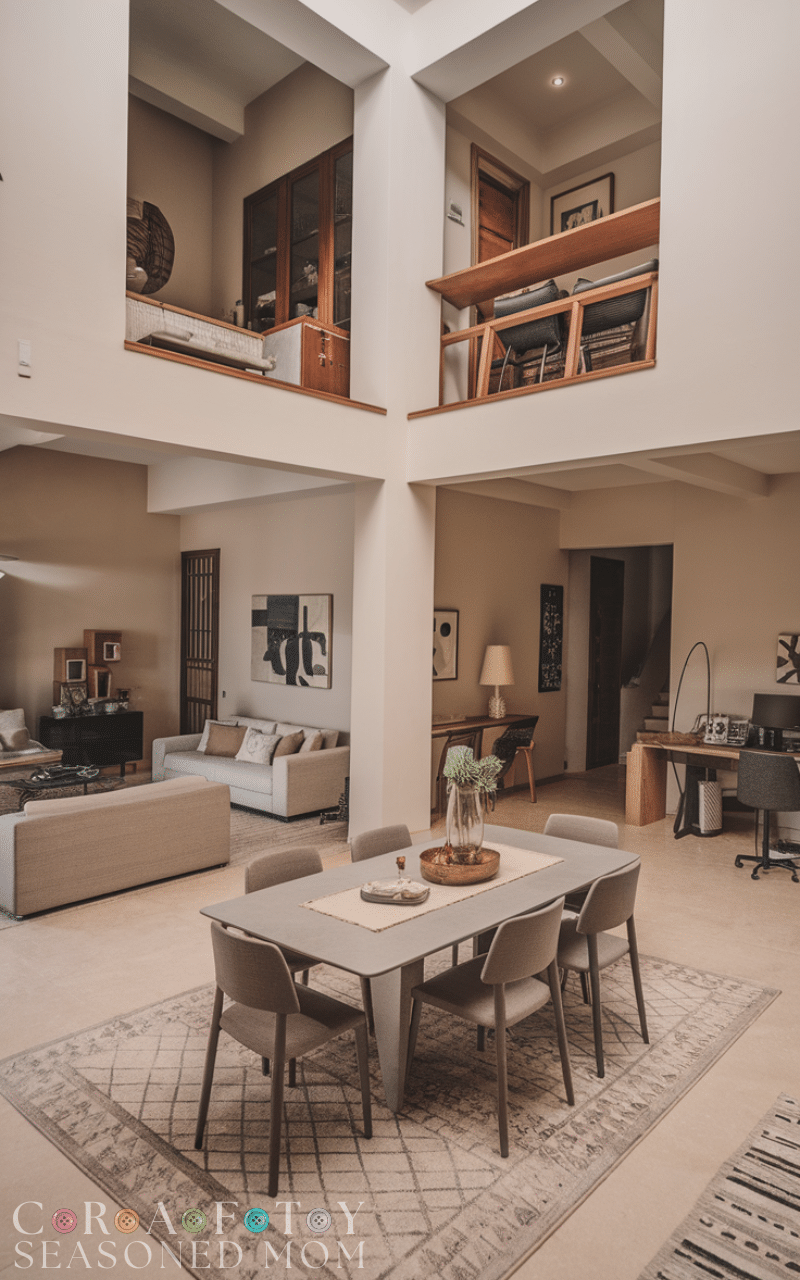
In open-concept homes, rugs are essential. These rug placement tips help separate living, dining, and workspace areas without walls. Each rug should clearly define its zone while maintaining harmony with the overall design.
3. Align with Major Furniture Pieces
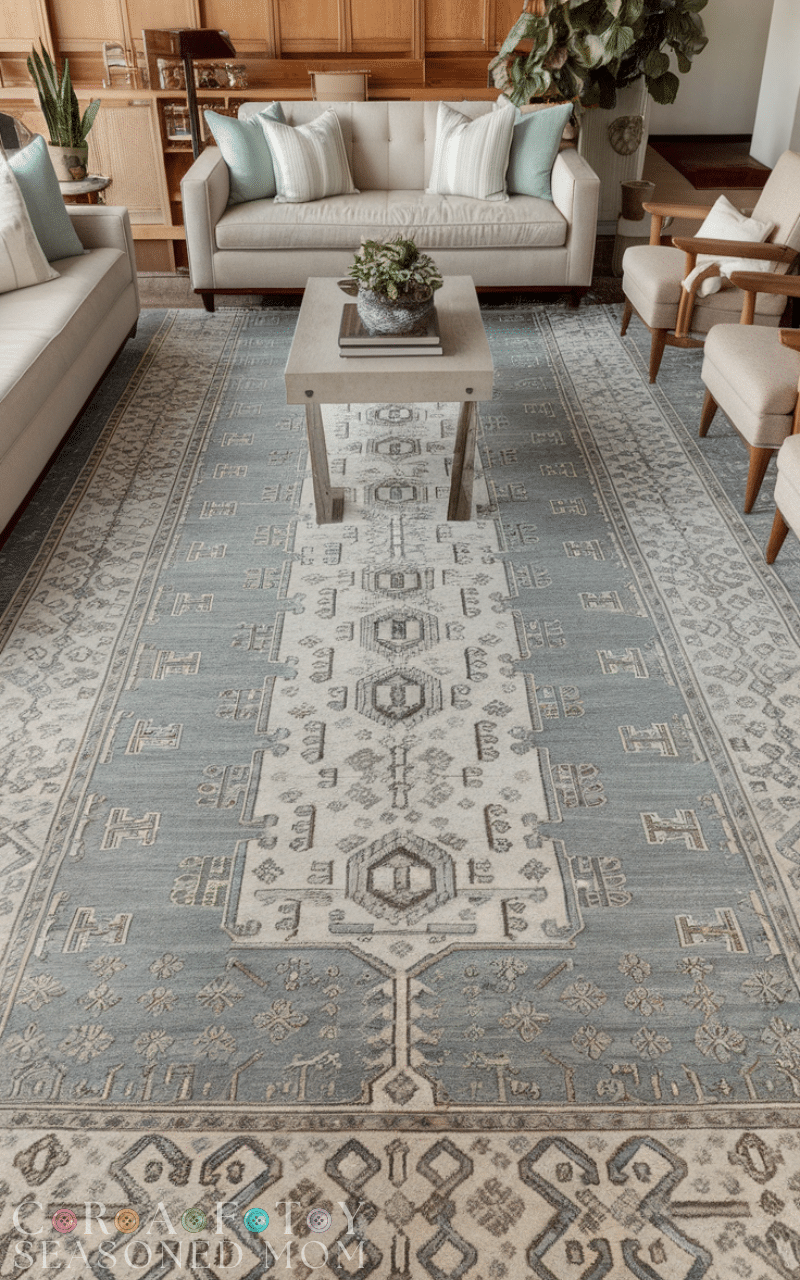
Alignment creates visual calm. One of the most effective rug placement tips is to align the rug parallel with large furniture pieces or walls. Crooked placement can make the room feel unbalanced. Straight lines bring order and polish.
2. Don’t Forget the Entryway
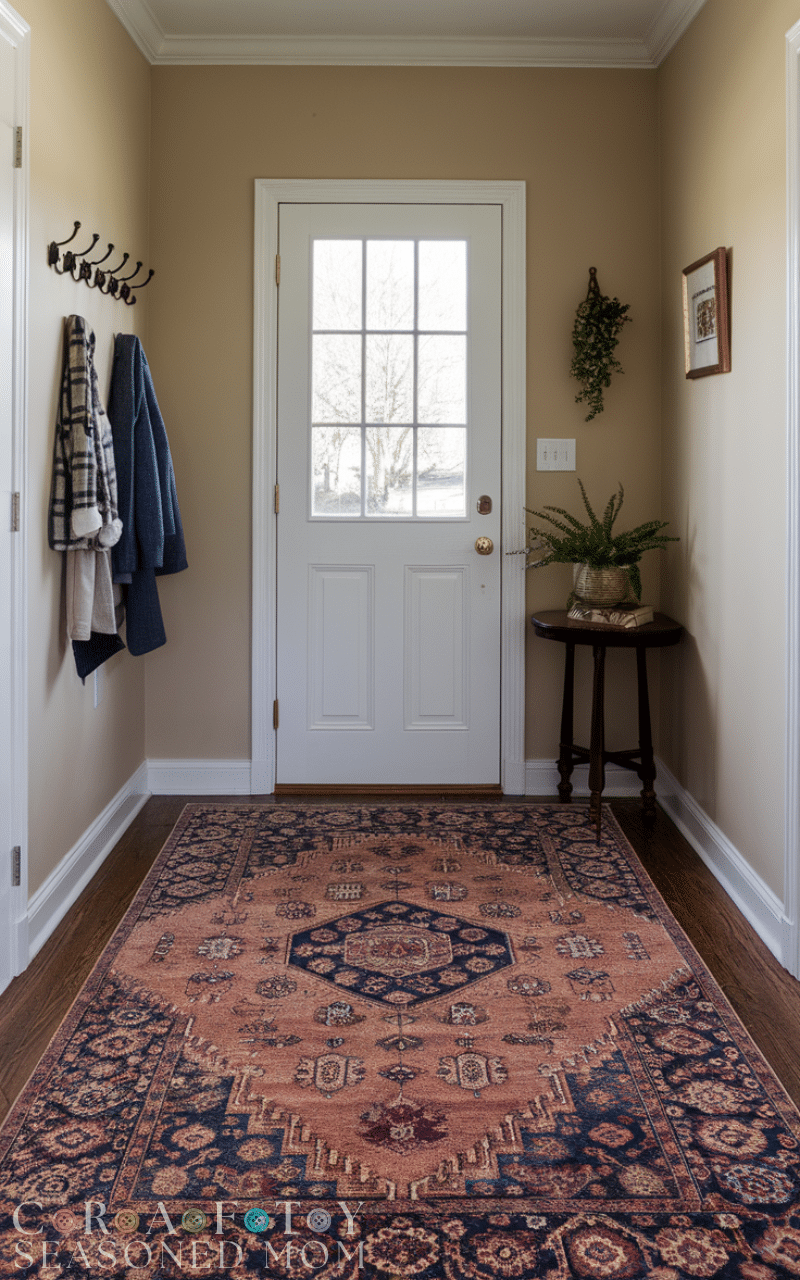
The entryway sets the tone for your home. Rug placement tips for this area focus on proportion and durability. Choose a rug that fits the space without blocking the door. A well-placed entry rug adds warmth and instantly makes guests feel welcome.
1. Secure the Rug Properly
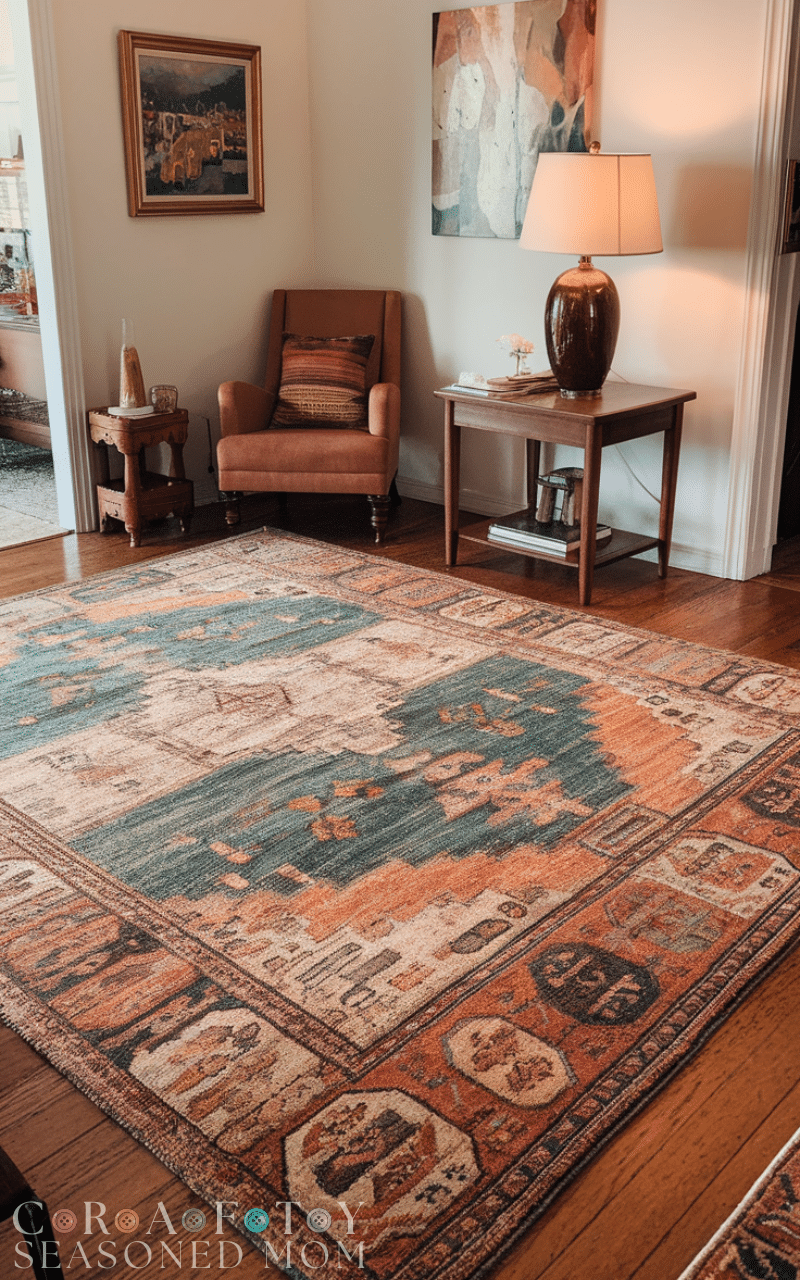
The best rug placement tips always include safety. Use a rug pad to prevent slipping and extend the rug’s lifespan. A pad also adds cushioning and improves comfort. Proper securing keeps your rug in place and ensures your room looks polished and safe.
Conclusion
These rug placement tips show how simple adjustments can completely transform a room. From anchoring furniture to defining open spaces, the right rug placement tips create balance, warmth, and elegance. Whether you are decorating a living room, bedroom, or hallway, thoughtful positioning makes all the difference. If you enjoyed these rug placement tips and want more home styling inspiration, subscribe to the blog and stay updated with more beautiful design ideas.
